

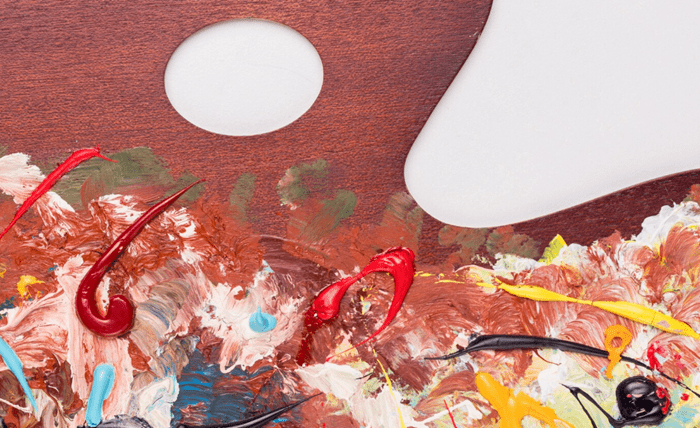
Abstract art has revolutionized the world of painting. The quest for expression beyond conventional techniques has opened doors for new ideas and interpretations. What makes this genre so unique is its ability to break free from established norms, offering artists and viewers a refreshing approach to creativity. By eliminating the constraints of realism, abstract art challenges traditional boundaries and invites an exploration of emotions, forms, and colors.
The Essence of Abstract Art
Modern abstract art is not confined to realistic depictions of the world. Instead, it encourages the use of shapes, colors, and textures in unconventional ways. This art form emerged in the early 20th century as artists sought new methods to express complex ideas and feelings.
By rejecting the rules of perspective, shading, and detailed imagery, artists allowed their work to be more fluid and expressive. Instead of focusing on lifelike representation, abstract art allows for the expression of thoughts and emotions that are often difficult to articulate with words. It creates a space where imagination runs wild, offering an open canvas for pure creativity.
Expressing Emotions Through Non-Realistic Forms
One of the defining features of abstract art is its capacity to evoke deep emotional responses. Artists use a variety of shapes, lines, and colors to express feelings and thoughts in ways that traditional art forms cannot. The lack of clear imagery in abstract works forces viewers to connect with the piece on an emotional rather than an intellectual level.
By relying on spontaneous brushstrokes, sharp contrasts, and vivid hues, abstract artists channel their internal worlds into visual creations. This direct emotional language encourages a more personal interaction between the artwork and its audience, where interpretation is guided by individual experiences and perceptions.
Abstract Art in the Home
While traditional art has often been seen as a measure for enhancing formal spaces, abstract art has found its place in a wide variety of settings, from homes to galleries. Its bold, vibrant colors and unconventional forms add an unexpected energy to any room. As such, it is increasingly popular for individuals seeking unique, dynamic pieces that break away from more traditional artworks.
Abstract art can serve as the focal point of a room, drawing attention and sparking conversation. The beauty of abstract paintings lies in their ability to transform the space without the need for realism. Studies suggest that viewing abstract art stimulates brain regions involved in creativity, emotion, and problem-solving. This makes it not only visually engaging but also mentally enriching.
Accessing a World of Abstract Art
For those interested in incorporating abstract art into their surroundings, there are countless options available. Art galleries and online platforms offer a range of pieces by both emerging and established artists. Each painting brings its own story, using abstract language to convey complex ideas and emotions.
Artists offer a variety of techniques and styles within the abstract genre. From geometric shapes to organic forms, the diversity of approaches reflects the versatility of abstract art. Whether seeking a calming piece or one full of energy, there is something for every space and personal preference.
Modern abstract art redefines the boundaries of traditional painting by embracing non-realistic forms and emotional expression. Its ability to evoke deep personal connections and challenge established norms makes it a powerful and dynamic medium. As this art form grows in popularity, it offers a fresh perspective on creativity, inviting individuals to engage with art in new and meaningful ways. Abstract art not only transforms spaces but also encourages viewers to break free from conventional thinking and embrace the beauty of imagination.