

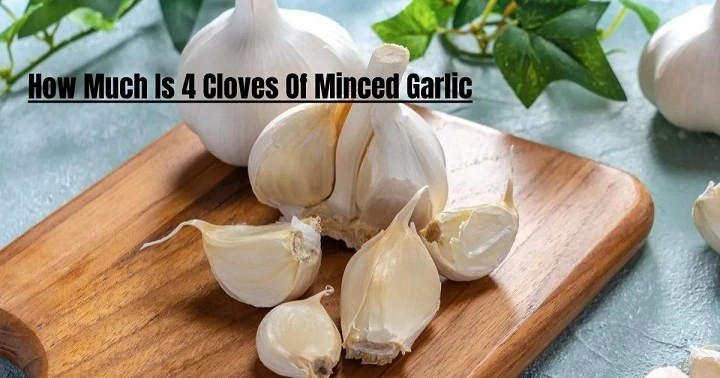
Garlic is a staple in many kitchens around the world. Its bold flavor enhances countless dishes, from sauces and soups to meats and vegetables. Whether you’re an experienced cook or just starting, understanding measurements in cooking can make life much easier. One common question is, “How many tablespoons is 4 cloves of garlic?” In this article, we will answer this question, explore the different ways garlic can be measured, and give you helpful tips on using garlic in your recipes.
Understanding Cloves of Garlic
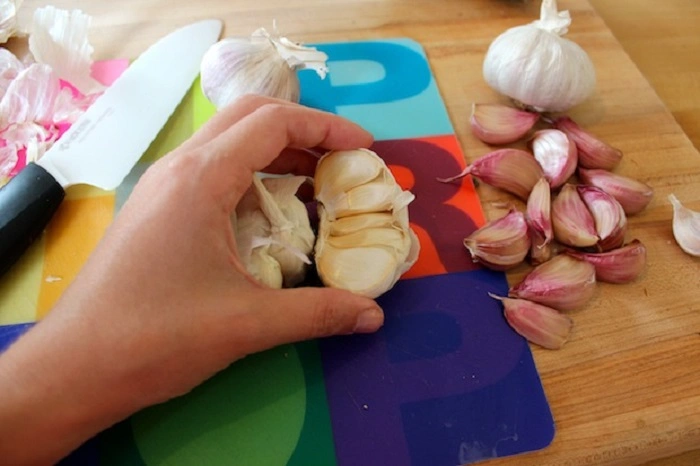
Before diving into the measurement conversion, it’s important to understand what a garlic clove is. A garlic bulb is the entire head of garlic, which consists of individual cloves that are broken apart and used in cooking. Each clove is a small segment of the garlic bulb and is often the basic unit used in most recipes.
Typically, one clove of garlic is about 1 teaspoon when minced. This can vary slightly depending on the size of the clove. However, to make the conversion from cloves to tablespoons, we need to establish a standard measurement.
How Many Tablespoons in 4 Cloves of Garlic?
So, how many tablespoons is 4 cloves of garlic?
1 clove of garlic typically yields about 1 teaspoon when minced. Since 1 tablespoon is equal to 3 teaspoons, the conversion is simple.
- 1 clove of garlic = 1 teaspoon
- 4 cloves of garlic = 4 teaspoons
Now, convert teaspoons to tablespoons:
- 4 teaspoons ÷ 3 = 1.33 tablespoons
Therefore, 4 cloves of garlic is approximately 1 and 1/3 tablespoons.
This is a general guideline, as the size of garlic cloves can vary. Some cloves may be larger or smaller, so it’s always best to adjust based on the size of the garlic you’re using.
How to Measure Garlic for Your Recipes
Garlic can be used in various forms in cooking. Below are some common ways garlic is measured:
Whole Cloves
When you need to use whole cloves, simply break apart the garlic bulb and peel the individual cloves. Whole cloves are often used when roasting garlic or adding garlic to stocks or soups where it will later be removed.
Minced Garlic
Minced garlic is one of the most common forms used in cooking. To mince garlic, use a garlic press or a knife to finely chop the cloves. Mincing garlic releases more of its flavor, making it ideal for sautéing or incorporating into sauces.
Chopped Garlic
If a recipe calls for chopped garlic, you can use the same technique as mincing, but with slightly larger pieces. This method is useful when you want the garlic to retain some texture in the dish.
Garlic Powder
Garlic powder is made from dehydrated garlic and has a much more concentrated flavor. A good rule of thumb is to substitute 1/8 teaspoon of garlic powder for 1 clove of garlic.
Pre-minced Garlic
For convenience, pre-minced garlic is available in jars at most grocery stores. One teaspoon of pre-minced garlic is roughly equivalent to one clove of garlic.
Garlic Paste
Garlic paste is another popular option that combines mashed garlic and oil into a smooth texture. Typically, 1 teaspoon of garlic paste is equal to one clove of garlic.
Tips for Using Garlic in Cooking
Garlic can be a versatile and delicious ingredient in your meals. Here are some helpful tips on using garlic effectively:
Use Fresh Garlic
While pre-minced garlic can be convenient, fresh garlic tends to have a better, more vibrant flavor. If you have time, use fresh garlic for the best results.
Adjust Garlic to Taste
Garlic can have a potent flavor, so always taste your dish as you cook and adjust the amount of garlic as needed. For those who love garlic, feel free to add more, but for a milder flavor, use less.
Avoid Overcooking Garlic
Garlic can burn easily, especially when sautéed over high heat. Burnt garlic becomes bitter, so be sure to cook it on medium-low heat and remove it from the pan as soon as it’s fragrant.
Store Garlic Properly
Garlic should be stored in a cool, dry place, away from sunlight. A garlic keeper or a mesh bag can help preserve its freshness. Avoid storing garlic in the fridge, as it can sprout and lose flavor.
Roast Garlic for a Milder Flavor
Roasting garlic softens its texture and gives it a sweeter, milder flavor. You can roast garlic by cutting off the top of a head of garlic, drizzling it with olive oil, and baking it in the oven at 400°F (200°C) for about 30 minutes.
How to Use Garlic in Different Cuisines
Garlic is widely used in many cuisines around the world. Here are some examples:
Italian Cuisine
Garlic is essential in Italian cooking. It’s used in pasta sauces, olive oils, and as a flavor base for many dishes like garlic bread and pizza.
Asian Cuisine
In many Asian dishes, garlic is used to create bold and flavorful stir-fries, curries, and soups. It pairs well with ginger and soy sauce to create aromatic bases.
Mediterranean Cuisine
Garlic plays a key role in Mediterranean dishes like hummus, tzatziki, and grilled meats. Its rich flavor adds depth to olive oils, dressings, and roasted vegetables.
Mexican Cuisine
Garlic is a key ingredient in many Mexican dishes such as salsas, stews, and tacos. It adds a distinct sharpness that balances the other bold flavors.
Substituting Garlic in Recipes
If you don’t have fresh garlic on hand, here are some alternatives you can use:
Garlic Powder
As mentioned earlier, garlic powder is an excellent substitute. For every clove of garlic, use 1/8 teaspoon of garlic powder.
Shallots
Shallots have a milder, slightly sweeter flavor compared to garlic. You can use one small shallot to replace one clove of garlic in recipes.
Leeks
Leeks have a similar flavor profile to garlic and can be used as a substitute, especially in soups and stews.
Chives
Chives have a mild onion flavor and can be used in place of garlic in certain dishes, especially salads and dips.
Frequently Asked Questions
How many teaspoons are in 4 cloves of garlic?
4 cloves of garlic is approximately 4 teaspoons.
Can I substitute garlic powder for fresh garlic?
Yes, you can substitute garlic powder for fresh garlic. Use 1/8 teaspoon of garlic powder for every clove of garlic in your recipe.
How can I store garlic to keep it fresh?
Store garlic in a cool, dry place away from sunlight. A garlic keeper or mesh bag is ideal for keeping it fresh.
How can I prevent garlic from burning?
To avoid burning garlic, cook it over medium-low heat and remove it from the pan as soon as it becomes fragrant.
Is roasted garlic different from fresh garlic?
Yes, roasted garlic has a sweeter, milder flavor compared to fresh garlic. Roasting softens the texture and brings out its natural sweetness.
Understanding how many tablespoons are in 4 cloves of garlic can make your cooking experience easier and more precise. Whether you’re using fresh garlic, garlic powder, or other alternatives, garlic adds rich flavor and depth to a variety of dishes. By following the tips and substitutions provided, you can enhance your meals and enjoy the full potential of this versatile ingredient.