


Rice is a major staple food of the world and it is by far the most consumed of the grains. Because of its versatility, low price, and the fact that it can be used in any kind of cuisine, rice is the basis of many dishes. To say it simply, rice varieties are made up of sets and in these sets, two kinds of rice are recognized: glutinous rice and white rice. Both alike but also different in this guide we will uncover their nutritional content, health benefits, and use in cooking, etc.
Understanding Glutinous Rice
It is common to find glutinous rice among the dishes of Asian cuisines, where it is served as a sweet treat or as a savory dish. Besides Southeast Asia, East Asian countries like China, Japan, and Korea also have glutinous rice in their daily meals.
The most famous glutinous rice-based dish is probably the Japanese mochi, a chewy rice cake that is normally filled with sweet bean paste or other fillings. Glutinous rice in Chinese cooking is the main ingredient of zongzi, sticky rice dumplings with fillings like pork, mushrooms, and salted egg yolk, which are wrapped in bamboo leaves and steamed or boiled.

One of the main components of Korean cuisine is glutinous rice, which is featured in such dishes as tteok (rice cakes) and jeon (pan-fried rice cakes). Apart from that, in the Philippines, glutinous rice is the main ingredient in the preparation of kakanin, which is a variety of rice-based desserts generally consumed as snacks or treats.
In addition to being a food ingredient, glutinous rice is also used in cultural and religious ceremonies in various Asian communities. To illustrate, in the case of Thailand, the sticking rice is normally presented to Buddhist monks as a form of alms, signifying the giving and the acquiring of spiritual merit. In Vietnam, glutinous rice becomes the most important element at festivals such as Tet Trung Thu (Mid-Autumn Festival), where it is shared in the form of rice-based confectionaries like mooncakes among relatives and friends.
Key Characteristics of Glutinous Rice
First of all, glutinous rice or sticky rice or sweet rice is a little bit more nutritious than other types of rice as it is considerably richer in amylopectin, a kind of starch that is one of the main reasons for its characteristic stickiness among its nutrients. It is a good source of carbohydrates for energy. However, the glycemic index of glutinous rice is higher than that of regular white rice, thus, it has the potential to raise blood sugar levels rapidly.
Secondly, glutinous rice is one of the prominent cultural elements in various food systems of the world, especially in those of East and Southeast Asia. A good example is the case of Thai mango sticky rice, Chinese zongzi (sticky rice dumplings), and Korean tteok (rice cakes), in which it is a major component. Also, its sticky property and the ability to serve as a binding agent make it a very versatile product whether the culinary preparation is going to be sweet or savory.
First of all, glutinous rice shares most of its nutritional components with white rice. Besides this, it contains carbohydrates and almost no fats, but has a slight difference in some aspects:
Dietary Fiber:
Glutinous rice normally has less fiber than white rice. Fiber is the body’s natural cleanser as it helps bowel movements, and regulates blood sugar levels. However, when compared with white rice, the lower fiber content of glutinous rice may lead to less digestion and quicker blood sugar level increasing.
Energy Content:
In comparison to white rice, glutinous rice is slightly higher in calorie content per serving due to the fact that it contains more carbohydrates. Thus, both are foods high in energy. Those who are on a calorie-controlled diet will have to watch their serving sizes when eating glutinous rice.
Health Benefits of Glutinous Rice

Glutinous rice, although it is mostly known for rich dishes and sweet treats, still has several health benefits:
Nutrient-Rich. Glutinous rice is not only a powerful source of energy but is also packed with a variety of essential nutrients such as vitamins and minerals. Besides, it is a good source of B vitamins, which include thiamine, riboflavin, and niacin, that are very important for energy metabolism and overall cellular function. Furthermore, the rice supplies minerals such as manganese that is very important for bone growth and metabolism, and magnesium, which is needed for muscle and nerve function.
Low in Fat. Glutinous rice is naturally low in fat and is a good choice for people who want to control their fat intake or maintain a healthy weight. Moreover, the low-fat content of the rice also makes it easier to digest since fatty foods that can slow down the digestive process and cause discomfort are avoided.
Culinary Uses of Glutinous Rice
There are no limits for glutinous rice in the world of cuisine, as it can be used for making incredibly delicious savory and sweet dishes, such as the following:
Regional Variations:
Besides Thai sticky rice, Japanese mochi, and Chinese sticky rice with chicken, glutinous rice is also a common ingredient for countless other regional dishes in Asia. To illustrate, in Korea, glutinous rice is the main raw material in food like ‘ssal-tteok’ (rice cakes) and ‘jjinppang’ (steamed glutinous rice bread) that is made of rice. On the other hand, Vietnamese ‘xôi’ is a dish made from glutinous rice, which is also extremely popular in the country. The dish can be eaten with different kinds of toppings, e.g., mung beans, shredded chicken, or fried shallots.
Cultural Significance:
Glutinous rice is very important from a cultural view in a big number of Asian communities. Most commonly, it finds its way into traditiones, ceremoniees, and celebrations. For example, in Japan, mochi celebrates the New year with the people, it is the highlight of the festival, when they pound glutinous rice into a dough that is sticky and chewy for making mochi. A similar case is in China, where during the Lunar New Year glutinous rice is incorporated in a lot of festive recipes that stand for unity and prosperity.
Understanding White Rice
White rice is to brown rice, what the polished handset is to the rough. Through an extensive world of milling, China has devised a method of disguise for its staple grain, getting rid of the outer husk, bran, and germ layers, that gives this new, refined grain a lighter look and a milder taste as compared to the original bulk.
Key Characteristics of White Rice
Nutritional Content. In most cases, white rice is processed by removing the bran and germ layers, which makes it less nutritious than whole grain versions. The main nutrient composition of white rice is that of carbohydrates which provide energy rapidly; however, the rice lacks considerable amounts of fiber, vitamins, and minerals.
Culinary Versatility. One can use white rice as the starting point for a multitude of dishes coming from different parts of the world. Thus, it can be cooked with vegetables and meat to get delicious and healthy Asian stir-fries or with beans to prepare tasty and nutritious Latin American stews. The taste of white rice does not interfere with other ingredients and it can also be seasoned in numerous ways.
Nutritional Profile of White Rice
White rice can be a source of vital nutrients; however, it entails certain nutrition compromises compared to whole grain rice:
Fiber. It is very clear that white rice is substantially low in dietary fiber when compared to its brown or whole grain counterparts. The refining method gets rid of the outer bran layer which is the main source of fiber and thus, the fiber content is drastically decreased.
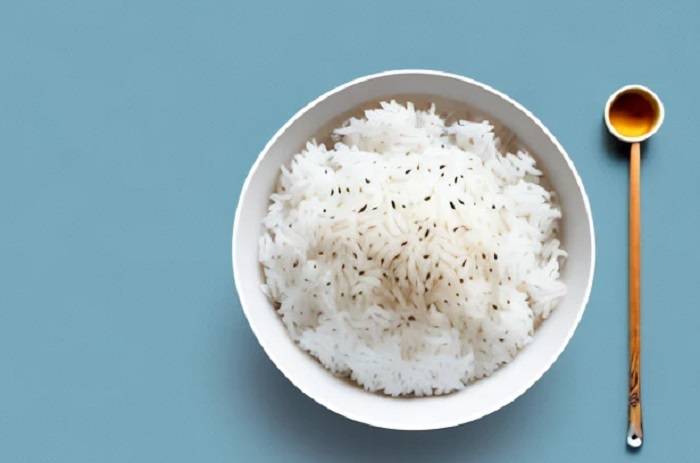
Fat: The fact is that in its natural state, white rice is quite low in fat and hence it becomes a perfect food for those who are on low-fat diets. But, such a thing should also be remembered that butter or oils which are used to cook rice will increase the overall fat content of the rice dish.
Health Benefits of White Rice
White rice is not a perfect nutrient source and people often criticize it, however it still provides several benefits when eaten as part of a healthy diet:
First of all, white rice does not have the fibre and the healthy fat which are in brown rice but still it contains some valuable nutrients like carbohydrates (energy source) and few B vitamins, for example folate and thiamine. On top of that during processing it is often enriched with vitamins and minerals so it can be a good dietary staple in places where the availability of nutritious foods is a problem.
Fast Cooking: Usually white rice will be ready much sooner than either its brown or wild alternative and therefore it can be the first choice of a time-starved person or a quick meal seeker who does not want to lose taste and nutritional value.
Consumer Friendly: White rice is generally cheaper than other types of rice, thus it is within the reach of socio-economically diverse people. Being affordable keeps the product going as a basic food of many families all over the world.
Culinary Uses of White Rice
White rice is like an empty plate that can be decorated with any food of any nation that bases its cooking on rice, the main five uses being:
Fried Rice: White rice is a major ingredient in making fried rice, where it is cooked with different vegetables, proteins as shrimp, chicken, or pork, and seasonings like soy sauce and sesame oil. The neutral flavor and airy texture of rice make it the perfect food to soak up the tasty flavors of the dish and at the same time keep a separate texture.
Rice Pilaf: White rice is a good ingredient to make tasty rice pilaf, which is rice cooked with aromatics like onions, garlic, and spices and then cooked in broth or stock. Besides rice, this flexible recipe may be made better by nuts, dried fruits or fresh herbs, giving the rice both flavor and texture in new layers
Related Post:
Understanding the Types of Damages in Personal Injury Cases
The Ultimate Guide to Sauteed Pears: A Culinary Delight
When is Father’s Day 2024: A Comprehensive Guide to Celebrating Dad
How Many Ounces in a Gallon: Unveiling the Conversion Mystery
The argumentation regarding the preference of glutinous rice over white rice or vice, both types of rice having common features, being used in different ways in the kitchen, and having different health benefits. For instance, glutinous rice has a sticky texture that is perfect for certain dishes and desserts, whereas white rice I a very versatile ingredient that can be used to make a wide range of savory dishes. The decision to buy or to use glutinous rice or white rice is a matter of taste, cultural heritage, and dietary requirements. People who are aware of the rice varieties can choose which one to use in their kitchen and can choose which one to eat.