

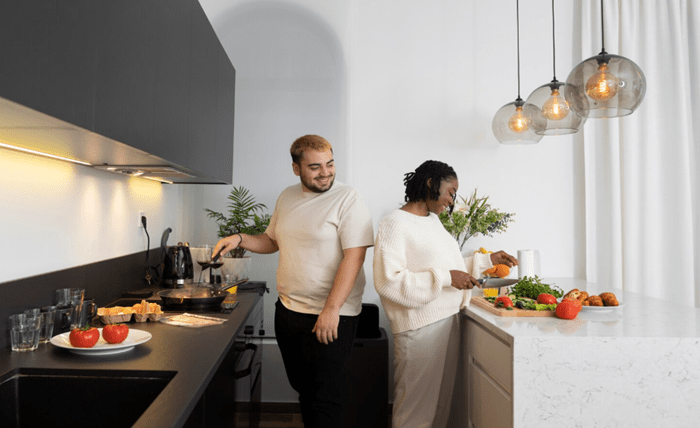
The kitchen has evolved far beyond its traditional role as just a cooking space. Today, it’s where we gather with family, tackle homework with kids, catch up on emails, and unwind after long days. Yet many of us find ourselves battling cluttered countertops, overflowing cabinets, and layouts that simply don’t serve how we actually live. There’s a growing movement toward minimalist kitchen design that’s not about deprivation or stark white boxes. Instead, it’s about creating spaces that work intelligently, look beautiful, and genuinely simplify your daily routine.
Why Traditional Kitchens Fail Modern Life
Walk into most kitchens built more than a decade ago and you’ll notice something striking: they’re designed for cooking, period. But that’s not how we use kitchens anymore. We’re charging multiple devices, managing smart appliances, streaming cooking tutorials, and trying to keep surfaces clear enough for actual meal prep. Traditional kitchen layouts weren’t built for this reality, and it shows in how frustrated we feel trying to make them function.
The problem goes deeper than just outdated design. Many kitchens accumulate gadgets and tools that sounded amazing in the store but end up buried in drawers, creating chaos without delivering value. That pasta maker you’ve used twice. The specialty knife set gathering dust. The duplicate measuring cups scattered across three different cabinets. All this excess doesn’t just waste space; it actually makes cooking harder because you’re constantly digging through clutter to find what you need.
The Core Principles of Minimalist Kitchen Design
Minimalist kitchen design starts with a simple but powerful question: what do you actually use? This isn’t about achieving some Instagram-worthy aesthetic or following rigid rules. It’s about creating a kitchen that reduces friction in your daily life. The approach centers on keeping surfaces clear, storing items where they’ll be used, and choosing quality pieces that earn their place rather than collecting things “just in case.”
Functionality drives every decision in a minimalist kitchen. Open shelving might look stunning in photos, but if you never use those dishes or find yourself dusting them weekly, that’s not minimalist, that’s just styled clutter. True minimalist design means your kitchen works with your habits instead of against them. Coffee lovers keep their setup streamlined in one dedicated zone. Bakers organize their most-used tools within easy reach. Everything else gets evaluated honestly: does this simplify my life or complicate it?
The visual impact of this approach surprises people. When you remove the excess, the architecture of your space can actually breathe. Suddenly you notice the beautiful tile backsplash that was hidden behind appliance clutter. The natural light seems brighter. The room feels larger. And here’s the best part: less stuff means less time cleaning, organizing, and maintaining. You’re not just creating a prettier kitchen; you’re buying back hours of your life.
Smart Technology Meets Simplified Living
One of the most exciting developments in modern kitchen design is how technology can actually support minimalist principles rather than contradict them. We’re not talking about gadget overload here. Instead, carefully chosen smart home upgrades can eliminate multiple single-purpose tools while making your kitchen more efficient and enjoyable to use.
Consider how a quality induction cooktop with smart features replaces not just your old stove but also that collection of timers, temperature monitors, and specialty cookware you’ve accumulated. Voice-controlled assistants eliminate the need for cookbooks cluttering your counters, recipe boxes taking up drawer space, and that tablet propped precariously near the stove. Smart refrigerators with internal cameras mean you don’t need elaborate list-keeping systems or constant trips to check what you have before shopping.
The key is being selective. Not every smart feature adds value to a minimalist kitchen. Focus on technology that genuinely simplifies tasks you do daily. Smart lighting that adjusts for cooking versus entertaining. Programmable coffee makers that eliminate morning decision fatigue. Dishwashers that optimize their own cycles. These aren’t luxury additions; they’re tools that reduce the mental load of running a kitchen while keeping your physical space uncluttered.
When Renovation Makes Sense
Sometimes organizing and decluttering can only go so far. If your kitchen layout fundamentally doesn’t support how you live, or if major components like cabinets and appliances are outdated and inefficient, a thoughtful kitchen makeover might be your best path to true minimalist function. The goal isn’t to create a showroom but to design a space that makes your daily life genuinely easier.
Modern kitchen renovations focused on minimalist principles prioritize flow and usability. That might mean removing an upper cabinet to create a more open feeling and add task lighting. It could involve replacing a cluttered corner cabinet system with a streamlined pantry that keeps everything visible and accessible. Perhaps it’s installing drawers instead of lower cabinets so you’re never on your knees digging for pots. These changes aren’t about trends; they’re about solving real problems in how your kitchen functions.
The materials and finishes you choose matter tremendously for long-term satisfaction. Minimalist doesn’t mean cold or sterile. Natural wood, warm neutrals, and quality stone or quartz surfaces create depth and character while remaining timeless. Integrated appliances maintain clean lines without feeling clinical. Thoughtful storage solutions keep everything in its place without visible clutter. The result is a kitchen that feels calm and considered rather than busy and overwhelming.
Practical Steps to Start Your Minimalist Kitchen Journey
You don’t need a renovation budget to begin moving toward a more minimalist kitchen. Start with a thorough inventory of what you actually use. Pull everything out of one cabinet at a time and honestly assess each item. If you haven’t used something in six months and it’s not seasonal, it probably doesn’t belong in your daily kitchen. Donate duplicate tools, outdated gadgets, and anything you’re keeping out of guilt rather than utility.
Next, focus on creating dedicated zones for different activities. Your coffee and tea setup shouldn’t be scattered across the kitchen. Baking supplies work best stored together near where you’ll use them. Designating specific areas for specific tasks reduces decision fatigue and makes cooking more intuitive. You’ll be amazed how much smoother your routine flows when everything has a logical home.
Finally, implement the one-in, one-out rule going forward. Every time something new enters your kitchen, something else leaves. This prevents the gradual re-accumulation that happens when we don’t stay mindful. It also makes you more selective about purchases, asking whether a new tool genuinely adds value or just takes up space. Over time, this habit maintains the clarity and function you’ve worked to create.
The Hidden Benefits Nobody Talks About
The advantages of a minimalist kitchen extend well beyond aesthetics and organization. Many people report they cook more often and more adventurously when their kitchen feels manageable. With less clutter creating mental resistance, meal preparation becomes less daunting. You can see and access your ingredients and tools easily, which encourages experimentation rather than defaulting to takeout.
There’s also a significant financial component. When you’re not constantly buying new gadgets or replacing items you lose in cluttered cabinets, your kitchen spending drops naturally. You maintain what you have better because you actually know what you own. And when you do invest in something new, you choose quality over quantity, which typically means it lasts longer and performs better.
Perhaps most importantly, a minimalist kitchen reduces daily stress in ways you might not expect. Coming home to clear counters and organized spaces feels welcoming rather than overwhelming. Morning routines flow smoothly without hunting for coffee filters or clean mugs. Cleanup after meals takes minutes instead of feeling like a major project. These small improvements compound into meaningful changes in how you experience your home.
Conclusion
Creating a minimalist kitchen isn’t about following a strict aesthetic or depriving yourself of tools you love. It’s about designing a space that serves your actual life rather than some imagined ideal. By focusing on what you use, removing what you don’t, and thoughtfully integrating technology and design elements that genuinely simplify your routine, you create a kitchen that works harder with less. The result isn’t just a prettier space. It’s a more functional, less stressful, and more enjoyable heart of your home. Start with one drawer, one cabinet, or one countertop. The clarity and calm you gain will motivate you to keep going, ultimately transforming not just your kitchen but how you feel about being in it.