

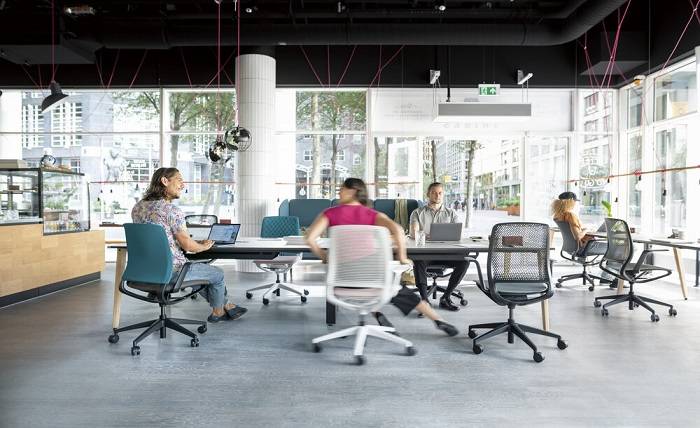
In the past, offices often consisted of rows of cubicles where employees worked individually without much collaboration with one another. But today we’re witnessing an enormous transformation towards more collaborative and community-minded environments – one key driver being the shared office space.
The Rise of Collaborative Workspaces
Traditional office setups often impeded communication and collaboration among employees. Cubicles created physical barriers between workers, making it more challenging for individuals to interact and collaborate effectively with one another. Recognizing its shortcomings, businesses began exploring other approaches for office design that prioritized openness, flexibility, and interaction: these led to collaborative workspaces being introduced as alternative models.
Collaborative workspaces are created to promote teamwork and creativity. Employees don’t feel isolated within individual cubicles – instead having access to shared areas where they can collaborate on projects, share ideas, and form new relationships with one another. Such spaces typically feature open layouts with communal work areas as well as amenities designed to foster interaction such as lounges, meeting rooms, or shared kitchens – providing employees with greater freedom for teamwork and creativity than would exist otherwise.
The transition to collaborative workspaces marks an enormous change in workplace dynamics. Organizations are moving away from hierarchies in favor of an egalitarian office design approach. Collaborative workspaces foster an atmosphere where cooperation thrives and innovation flourishes – it all comes down to breaking down physical barriers and cultivating community spirit to foster optimal conditions for collaboration and creativity.
Designing for Collaboration
Workspace designs are critical in creating an environment conducive to teamwork and innovation within an organization. Furniture selection, layout design, and technology integration all play key roles in shaping this atmosphere; for instance, flexible seating arrangements allow employees to choose where and when they work while integrated technology solutions enable seamless communication and cooperation among all departments within an organization.
Collaborative workspaces stand out as versatile environments due to their adaptability. Reconfigurable seating solutions easily meet the shifting demands of businesses and teams – be that accommodating brainstorming sessions, team meetings, or individual workstations; collaborative spaces offer high degrees of versatility and efficiency to support any activity that comes their way.
As organizations recognize the advantages of collaborative workspaces, they reconceptualize traditional office environments to suit modern workers more closely. By emphasizing collaboration and innovation in workspace design, businesses create environments in which employees feel free to express themselves while contributing their thoughts toward organizational goals – ultimately leading them down a path of organizational success.
Cultural Change in the Workplace
Transitioning to collaborative workspaces involves more than physical design: it also means cultivating cultural transformation within organizations. Collaborative environments promote transparency, communication, and teamwork that lead to engaged workers feeling appreciated and appreciated – leading them closer to increased productivity and job satisfaction.
Collaborative workspaces also foster an atmosphere of community among employees. Instead of working alone in isolation, employees have an opportunity to collaborate on projects while bonding with colleagues through dialogue and conversation. This sense of belonging fosters an inspiring work environment in which creativity thrives while innovation flourishes.
As organizations recognize the advantages of collaborative workspaces, they are reconceptualizing traditional office environments to better suit today’s workforce. By prioritizing collaboration and innovation in workspace design, businesses are creating environments in which employees feel free to express ideas freely while contributing their talents toward collaborative project teams that ultimately drive organizational success.
Challenges and Considerations
Although collaborative workspaces bring many benefits, they also come with unique challenges. Privacy worries, noise interruptions, and developing effective communication strategies may all present problems when transitioning to collaborative environments; but with careful planning and thoughtful design, these problems can be managed and even overcome.
Organizations can employ various strategies for creating the ideal work environment, including soundproofing measures, communication protocols, and providing private work areas for focused tasks. By being proactive about these challenges businesses can ensure that collaborative workspaces foster productivity and creativity.
Fostering an environment of respect and accountability is vital to collaborative workspace success, with employees realizing the significance of maintaining confidentiality while respecting colleagues’ spaces and boundaries. By encouraging an atmosphere of mutual regard and cooperation between employees, organizations can foster an idyllic work environment in which employees thrive while businesses prosper.
Closing
As we consider the future of work, collaborative workspaces will continue to play an integral part in shaping how we do things. Organizations can harness concepts like flexibility, sustainability, and community to foster creative environments for innovation and collaboration that support these core principles of successful workplace design – they offer transformative potential that could increase organizational success rates even further as businesses adapt their workforce management practices accordingly.