

Damp is the insidious foe of many homes and buildings, silently creeping into walls, floors, and ceilings, causing damage and fostering the growth of mould and mildew. Dampness not only compromises the structural integrity of a building but also poses health risks to its occupants. To combat this menace, damp proofing emerges as an essential defence mechanism. In this article, we delve into the significance of damp proofing, its methods, and its benefits.
Understanding Damp Proofing
Damp proofing is a preventive measure aimed at safeguarding buildings against moisture infiltration. It involves various techniques and materials designed to resist the passage of water or moisture through walls, floors, and other structural components. The primary goal of damp proofing is to create a barrier that prevents water ingress, thus mitigating the risk of damp-related issues such as mold growth, decay, and structural damage.
Methods of Damp Proofing
Several methods are employed to damp proof buildings, each tailored to suit specific circumstances and requirements:
- Physical Damp Proof Course (DPC): A physical DPC typically consists of a layer of impervious material such as bitumen felt, plastic sheets, or metal strips installed within the structure at a certain height above ground level. This barrier prevents moisture from rising through walls via capillary action.
- Chemical Damp Proofing: Chemical damp proofing involves the application of liquid or cream-based products containing water-repellent chemicals to walls and other surfaces. These chemicals penetrate the substrate, forming a barrier that repels moisture.
- Cavity Wall Insulation: Insulating the cavity between inner and outer walls can help prevent damp by reducing condensation and improving thermal performance. Materials such as foam insulation or mineral wool are commonly used for this purpose.
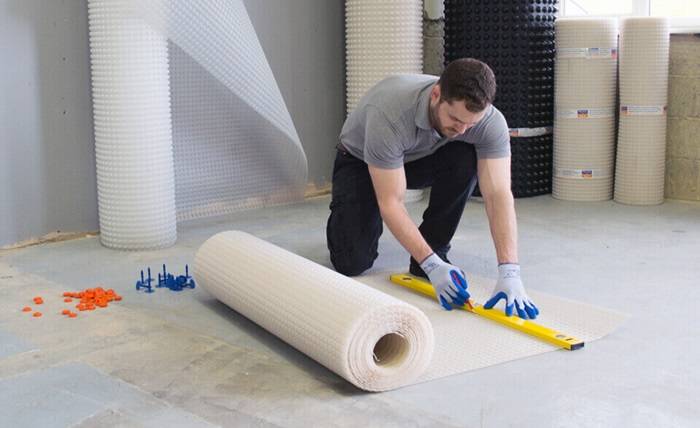
- Waterproof Membranes: Waterproof membranes, typically made of materials like polyethylene or PVC, are applied to below-ground structures such as basements and foundations to prevent water seepage from the surrounding soil.
- Surface Treatments: Surface coatings such as waterproof paints or sealants can be applied to walls, floors, and other surfaces to create a protective barrier against moisture intrusion.
Benefits of Damp Proofing
Investing in damp proofing offers numerous benefits for homeowners and building occupants:
- Preservation of Property: Damp proofing helps preserve the structural integrity of buildings by preventing moisture-related damage such as rot, decay, and crumbling of masonry.
- Improved Indoor Air Quality: By reducing the risk of mold and mildew growth, damp proofing contributes to healthier indoor air quality, thus reducing the likelihood of respiratory problems and allergies.
- Enhanced Comfort: Damp-free environments are more comfortable to inhabit, with reduced humidity levels and a decreased likelihood of cold spots and drafts.
- Long-term Cost Savings: While damp proofing may require an initial investment, it can result in long-term cost savings by preventing expensive repairs and maintenance associated with damp-related issues.
- Increased Property Value: Damp-free properties are more attractive to prospective buyers and command higher resale values compared to those plagued by damp problems.
In conclusion, damp proofing is a crucial aspect of building maintenance and protection against moisture-related issues. Whether through physical barriers, chemical treatments, or other methods, damp proofing plays a vital role in preserving the integrity, safety, and value of residential and commercial properties. By investing in damp proofing measures, property owners can safeguard their buildings against the relentless threat of dampness, ensuring a dry, healthy, and comfortable living environment for years to come For Damp Proofing in Leeds contact CS Damp Proofing specialists