

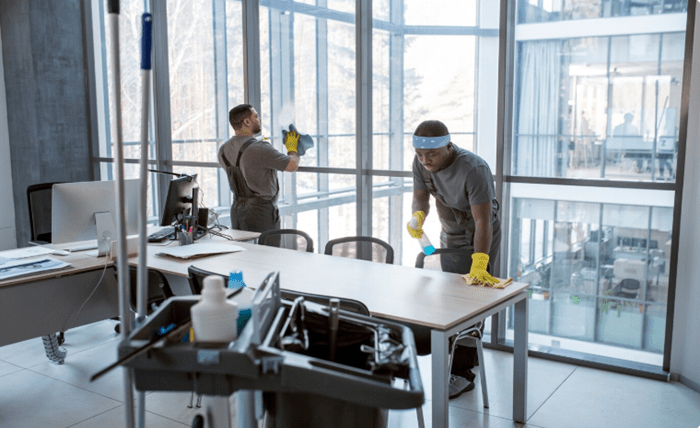
Maintaining clean and well-kept floors is crucial for any business environment. Commercial floor cleaning goes beyond simple aesthetics — it is a vital part of facility maintenance that impacts employee productivity, customer impressions, health and safety, and the longevity of flooring materials. Whether in offices, retail stores, warehouses, or hospitality venues, investing in professional commercial floor cleaning can bring numerous benefits that enhance the overall success of a business.
Why Commercial Floor Cleaning Matters
Floors in commercial spaces endure heavy foot traffic daily. Dirt, grime, spills, and dust accumulate rapidly, making floors look dull and uninviting. But the consequences of dirty floors extend beyond appearances. They can pose health hazards and safety risks, such as slip-and-fall accidents, which can lead to costly insurance claims and damage to a company’s reputation.
Moreover, clean floors contribute to a healthier indoor environment by reducing allergens, bacteria, and dust mites that often settle on flooring surfaces. For businesses, maintaining a hygienic workspace is essential not only for employee well-being but also for meeting regulatory standards and ensuring customers feel comfortable and safe.
Types of Commercial Floor Surfaces and Cleaning Needs
Commercial floors come in a variety of materials, each with specific cleaning and maintenance requirements:
- Vinyl and Linoleum: Common in schools, hospitals, and retail, these floors require regular sweeping and mopping with mild cleaners. Periodic stripping and waxing help protect their surface.
- Carpet Tiles: Found in offices and hotels, carpets need routine vacuuming and deep cleaning with steam or dry methods to remove dirt, stains, and allergens.
- Hardwood Floors: Often in upscale offices and boutiques, hardwood requires gentle cleaning products and occasional polishing to maintain shine and prevent damage.
- Concrete and Epoxy: Used in warehouses and industrial settings, these floors need scrubbing with heavy-duty machines to remove grease, oil, and dirt.
- Ceramic Tiles: Common in kitchens and bathrooms, tile floors benefit from grout cleaning and sealing alongside regular mopping.
Understanding the type of flooring and tailoring the cleaning methods accordingly is essential to avoid damage and extend the floor’s lifespan.
Professional Commercial Floor Cleaning Services
Many businesses choose professional floor cleaning companies to handle their floor maintenance. These specialists bring expertise, industrial-grade equipment, and customized cleaning plans tailored to each business’s unique needs. For reliable and thorough service, companies like TCS Floors offer comprehensive commercial floor cleaning solutions that combine advanced technology with experienced staff to ensure your floors always look their best.
Key advantages of hiring commercial floor cleaning professionals include:
- Efficiency and Consistency: Trained technicians use advanced machines like scrubbers, buffers, and extractors to clean floors thoroughly and quickly, maintaining a consistent standard.
- Specialized Knowledge: Professionals understand the right cleaning products and techniques for different flooring materials, ensuring optimal results without damage.
- Cost Savings: Regular professional cleaning can prevent premature flooring replacement by preserving the surface and preventing wear and tear.
- Health and Safety Compliance: Experienced cleaners follow industry safety standards, reducing hazards like slippery surfaces and chemical risks.
- Flexible Scheduling: Services can be arranged during off-hours to minimize disruption to business operations.
Green and Sustainable Cleaning Practices
As environmental awareness grows, many commercial cleaning companies now offer eco-friendly cleaning options. These include biodegradable cleaning solutions, low-water usage techniques, and energy-efficient equipment.
Choosing green cleaning methods benefits businesses by:
- Reducing the environmental footprint
- Creating a healthier indoor environment free of harsh chemicals
- Enhancing corporate social responsibility image, which customers increasingly value
How Often Should Commercial Floors Be Cleaned?
The frequency of floor cleaning depends on the type of business, foot traffic, and floor material. For example:
- High-traffic areas like shopping malls and airports might require daily cleaning.
- Offices and schools may benefit from thorough cleaning weekly or bi-weekly, with daily light cleaning.
- Warehouses and industrial sites might schedule intensive cleaning monthly, with regular spot cleaning.
Creating a cleaning schedule that balances effectiveness with cost is important for maintaining floor quality without disrupting daily operations.
Tips for Maintaining Clean Floors Between Professional Cleanings
Businesses can take simple steps daily to support floor cleanliness:
- Use entrance mats to trap dirt and moisture before it spreads inside.
- Encourage employees and visitors to wipe shoes and avoid tracking mud.
- Quickly clean spills to prevent stains and slips.
- Schedule regular sweeping or vacuuming to remove surface dirt.
These practices complement professional cleaning and help keep floors in excellent condition longer.
Commercial floor cleaning is a vital aspect of business facility management that impacts safety, hygiene, appearance, and asset preservation. Investing in professional cleaning services tailored to your floor type and traffic levels ensures a welcoming environment for employees and customers alike. Additionally, adopting sustainable cleaning practices can reinforce your commitment to environmental responsibility. Whether your business operates in retail, hospitality, industrial, or office settings, prioritizing commercial floor cleaning is a smart decision that supports long-term success and a healthier, safer workspace.