

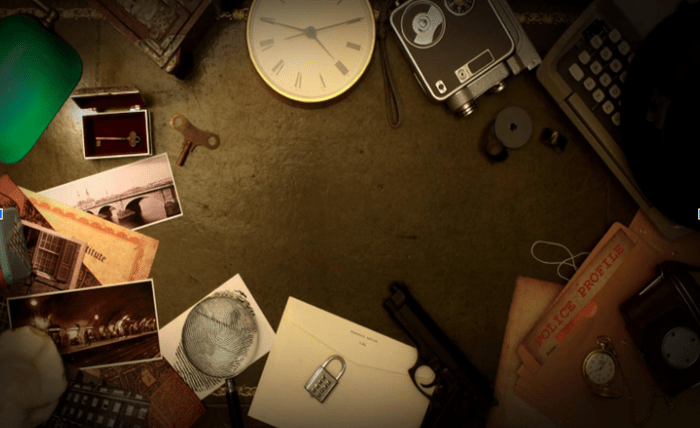
Working together is important in school, sports, and daily life. But how can we improve teamwork in a fun way? Escape room challenges help teams solve puzzles under pressure.
Players learn to communicate, think fast, and trust each other. These games create excitement and encourage problem-solving. They also teach leadership and patience.
Have you ever solved a tricky puzzle with friends? Escape rooms test how well a team works together. Let’s explore how these challenges boost teamwork skills!
Communication: The Key to Team Success
Good communication is important for teamwork. In escape rooms, teams must talk clearly to solve puzzles. Every player shares ideas, listens, and explains their thoughts.
Without clear communication, the team may struggle to complete tasks. Players also learn to express themselves under pressure. Talking in a group builds confidence and teamwork skills.
Effective speaking and listening help teams solve challenges faster. Escape rooms teach the importance of understanding others.
Good communication makes teamwork stronger in any situation. When players practice clear communication, they build trust and make fewer mistakes.
Problem-Solving: Thinking Fast and Smart
Escape rooms are full of tricky puzzles that need quick thinking. Teams work together to find clues and solve problems. Each player brings different ideas to the table.
Working as a team helps solve puzzles faster. Escape rooms encourage creative thinking and logical reasoning. Problem-solving skills improve with practice.
These challenges make players better at analyzing situations. In real life, teamwork helps solve problems at school and home.
Escape rooms teach players to stay calm under pressure. Learning to break down problems into smaller parts makes solutions easier to find.
Leadership: Stepping Up to Guide the Team
Leadership is important in escape rooms. Teams need someone to keep everyone focused. Good leaders listen to their team and encourage ideas.
They help guide players toward the right solutions. Leadership is not about being bossy. It means helping everyone work together.
Escape rooms teach players how to take charge when needed. Leadership skills help in school, sports, and future jobs. In escape games, everyone gets a chance to lead.
This builds confidence and teamwork abilities. Strong leadership helps teams make quick decisions and stay organized under pressure.
Trust: Believing in Your Teammates
Trust is necessary for great teamwork. In escape rooms, players depend on each other to win. Every team member has different strengths.
Trusting others helps the group solve puzzles faster. If one person struggles, the team must help. Trust makes teamwork smoother and more effective.
Escape rooms teach players to rely on each other’s skills. Learning to trust others is important in school and friendships.
Escape games show that success comes from working together. When teams trust each other, they build stronger connections and work more efficiently.
Time Management: Solving Challenges Under Pressure
Escape rooms have time limits, so teams must work fast. Players learn to manage time wisely. Wasting time on one puzzle can cost the whole game. Team members must plan and decide quickly.
Time management is important in school and daily tasks. Escape rooms teach how to focus under pressure. Good teamwork means using time efficiently.
Every second matters in an escape game. Learning to manage time well helps in real-life situations. Practicing time management helps teams stay on track and complete their goals faster.
Creativity: Thinking Outside the Box
Escape rooms encourage creative thinking. Some puzzles need unique solutions. Players must look at problems from different angles.
Creative teamwork helps find new ways to solve challenges. Escape rooms reward those who think outside the box. Being creative makes problem-solving more fun.
This skill is useful in school projects and everyday life. Escape rooms help players develop a flexible mindset.
Creativity helps teams find answers faster. Thinking differently allows teams to discover solutions they might not have considered before.
Staying Calm Under Pressure
Escape rooms create excitement and tension. The ticking clock adds pressure to every challenge. Players learn to stay calm and think clearly.
Panicking can make solving puzzles harder. Teams must stay focused, even when time is running out. Learning to stay calm helps in school and real life.
Escape rooms train players to handle stress better. When teams stay collected, they make smarter decisions.
Handling pressure well leads to better teamwork. Practicing patience and focus helps players remain confident in difficult situations.
Adapting to New Challenges
Every escape room has different themes and puzzles. Teams must adjust to new challenges quickly. Players learn to adapt to unexpected situations.
Flexibility is important in teamwork. In escape rooms, surprises can change the game. Teams must stay open-minded and ready for anything.
Being adaptable helps in school and future careers. Escape rooms teach how to think fast and adjust strategies.
Success comes from teamwork and a willingness to change plans. When players learn to adapt, they become better problem-solvers in all areas of life.
Fun and Bonding: Building Stronger Friendships
Escape rooms bring teams closer together. Working through challenges creates strong bonds. Teams learn to understand each other better.
Solving puzzles as a group makes teamwork enjoyable. Escape rooms help players appreciate each other’s skills. Winning together builds trust and friendship.
Alcatraz Escape Games offers exciting rooms that strengthen teamwork. Fun experiences make learning teamwork skills easier. Playing together helps create lasting memories.
Escape rooms are a great way to connect with others. When teams bond through fun experiences, they communicate and collaborate better.
Learning from Mistakes and Growing
Mistakes are part of every escape room challenge. Teams may choose the wrong clue or solve puzzles incorrectly. These errors teach valuable lessons.
Players learn from their mistakes and improve. Every failure brings the team closer to success. Learning from mistakes helps in school and future teamwork.
Escape rooms show that problem-solving takes practice. Failing is not the end-it is a step toward winning.
Teams grow stronger by working through challenges together. Mistakes help teams discover new strategies and build resilience for future challenges.
Learn How to Strengthen Teamwork Through Fun Challenges
Escape rooms make teamwork fun and exciting. Players learn communication, trust, leadership, and problem-solving. These games teach patience and creative thinking.
Working together under pressure improves focus and decision-making. Escape rooms prepare players for
teamwork in school and life. They help build confidence and social skills.
Learning through fun experiences makes skills easier to remember. The best teams work together and never give up. Escape rooms teach teamwork in the most exciting way possible!
Did you find this article helpful? If so, check out the rest of our site for more informative content.