

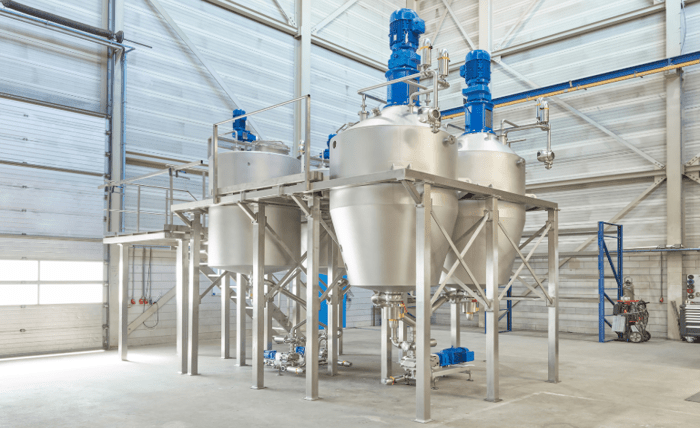
Manufacturing and processing facilities continuously seek ways to minimize downtime, maintain quality, and control costs. Pre-assembled modular process systems mounted on steel skids address these challenges by offering ready-to-install solutions that streamline equipment setup and facility upgrades.
These systems have become a preferred choice across industries, including food processing, pharmaceuticals, and chemicals. They offer efficiency and reliability that traditional installations often lack.
Keep reading to explore how skid-mounted systems enhance installation speed, improve quality control, and simplify regulatory compliance.
Accelerated Installation and Cost Reduction
Pre-assembled skid systems shorten project timelines compared to traditional on-site construction, reducing labor costs and minimizing disruptions.
Factory vs. On-Site Construction
Assembly in a controlled factory environment provides key efficiency advantages, including:
- Specialized production – Skilled technicians precisely handle assembly, avoiding common field coordination issues.
- Fewer external disruptions – Weather delays and site access complications no longer impact progress.
- Parallel workflow – Equipment assembly and site preparation co-occur, cutting project time by up to 50%.
Simplified Site Preparation
Unlike conventional installations that require extensive setup, skid-mounted systems demand only minimal site preparation. That includes foundation or support structure readiness, utility connection point installation, and clearance verification for transport and placement.
The streamlined process enables businesses to integrate new equipment with minimal operational downtime, an essential factor in high-production environments.
Enhanced Quality Control and System Reliability
Factory-built skid systems ensure consistent quality through controlled assembly conditions and rigorous testing before deployment.
Such precise manufacturing in a controlled environment ensures:
- optimal welding positioning for structural integrity
- contamination-free assembly for hygienic applications
- proper torquing of mechanical connections
These measures reduce the likelihood of post-installation troubleshooting, ensuring long-term operational stability.
Additionally, as part of their manufacturing process, steel skids undergo comprehensive factory acceptance testing (FAT) that validates their functionality before installation. The test covers pressure testing for fluid systems, electrical and control system verification, and simulated operational performance checks.
Detecting potential issues early allows manufacturers to avoid costly on-site corrections and unexpected delays.
Operational and Compliance Benefits
Beyond installation efficiencies, skid-mounted systems offer advantages that simplify facility management and regulatory requirements.
Single-Supplier Responsibility
Working with a single supplier for an integrated system reduces complexities in coordination, eliminating disputes among multiple vendors over performance responsibilities. If technical issues arise, the skid system provider offers direct support, ensuring efficient resolution.
Standardized Documentation for Compliance
Pre-assembled systems include complete documentation packages that facilitate regulatory approval, typically covering:
- certified materials for pressure-rated components
- welding procedure qualifications and inspection records
- testing results and engineering specifications
For industries like pharmaceuticals and food processing, pre-documented compliance simplifies validation, making expansions and upgrades more efficient.
Conclusion
Pre-assembled skid systems provide a practical solution for streamlining industrial installations. Their benefits—accelerated setup, superior quality control, and simplified compliance—make them an invaluable option for businesses prioritizing efficiency and reliability.
While skid-mounted systems may not suit every application, their ability to reduce installation time and costs while ensuring consistent performance makes them a strategic choice for modern process manufacturing. By evaluating project-specific needs, companies can determine whether these systems align with their operational goals, ensuring a successful and cost-effective implementation.