

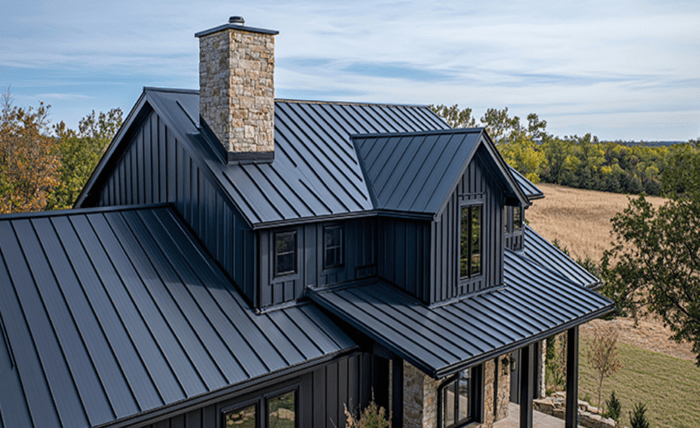
Once confined to warehouses, barns, and industrial facilities, metal roofing is now climbing the ranks in residential neighborhoods across the country. This shift isn’t purely about aesthetics—it’s about science, sustainability, and performance.
As homeowners demand smarter, longer-lasting building materials, metal roofing has stepped into the spotlight as a serious contender. Its rise has more to do with engineering than trends, and understanding the “why” behind its performance can make a compelling case for its inclusion on homes of all shapes and sizes.
Let’s break down the science of metal roofing—and explore what makes it such a powerful option beyond the commercial world.
Material Matters: Not All Metals Are Equal
When people hear “metal roof,” they often imagine large, corrugated steel panels. But today’s metal roofing comes in a wide variety of materials and finishes—each engineered for specific climates, performance expectations, and aesthetic goals.
Common residential metal roofing materials include:
- Steel: Durable and coated with corrosion-resistant layers like zinc (galvanized) or aluminum-zinc alloy (Galvalume).
- Aluminum: Lightweight, rust-proof, and great for coastal regions.
- Copper and Zinc: High-end materials known for their longevity and natural patina development over time.
What separates metal roofing from other types is its ability to be engineered and customized. Unlike asphalt shingles that rely on layering and granules, metal panels depend on molecular coatings, advanced manufacturing processes, and engineered fastening systems.
Companies like AG Exterior Solutions are seeing increased interest from homeowners looking for durable systems that not only perform well but also reduce long-term maintenance needs.
Reflectivity and Energy Efficiency
One of the most science-backed advantages of metal roofing is its solar reflectance. Standard asphalt shingles tend to absorb heat, leading to higher attic temperatures and more strain on air conditioning systems. Metal roofing, on the other hand, reflects a significant portion of the sun’s rays.
Modern coatings such as Kynar 500 or Cool Roof-rated finishes enhance this reflectivity, reducing surface temperature by up to 50 degrees Fahrenheit in some cases. This cooling effect translates directly into lower energy bills and reduced carbon footprints, especially during hot summer months.
In regions with intense sun exposure, metal roofs help maintain a more stable indoor environment while also reducing the “urban heat island” effect in densely built communities.
Strength-to-Weight Ratio
Another scientific advantage of metal roofing is its impressive strength-to-weight ratio. Compared to clay tile or slate, metal panels provide exceptional structural protection without requiring reinforced framing.
This balance of strength and lightness makes installation easier and less invasive. It also reduces stress on roof trusses, which is especially important for homes in areas with snowfall or seismic activity.
In addition, metal roofing is more impact-resistant than many traditional materials. It performs better under hail, high winds, and falling debris—one of the reasons insurance companies in some states offer policy discounts for homes with qualifying metal systems.
Longevity Backed by Chemistry
Traditional roofing systems like asphalt are subject to breakdown from UV rays, water infiltration, and thermal cycling. The asphalt dries out, cracks, and eventually peels away.
Metal roofing resists these forces due to engineered coatings and treatments. Galvanization protects the core steel from corrosion. Polymer finishes create UV resistance and colorfastness. Paint bonding methods ensure color retention over decades.
On average, metal roofs can last 40 to 70 years, depending on material and maintenance—easily doubling or tripling the life expectancy of a shingle roof. Homeowners who install a metal roof rarely need to think about replacement again, making it one of the most practical long-term investments.
AG Exterior Solutions often recommends metal options to clients interested in minimizing future renovation cycles and avoiding the hidden costs of frequent roof replacements.
Fire and Safety Benefits
Metal roofing is inherently fire-resistant. Unlike wood shakes or flammable composite materials, metal doesn’t ignite when exposed to flying embers or direct flame. It’s typically rated Class A—the highest fire resistance category.
For homeowners in wildfire-prone areas or those near wooded lots, this feature is a strong selling point. But even beyond fire zones, the added protection offers peace of mind.
The safety benefits don’t stop there. Metal roofs are also less prone to leaks when installed with proper underlayment and fasteners. Unlike shingles, they don’t degrade or curl over time, which can compromise waterproofing and structural integrity.
Sound Control and Misconceptions
One of the most common myths about metal roofing is noise. Many imagine the sound of rain echoing off bare metal, but residential installations are far different from exposed barn or warehouse roofs.
Modern systems include insulation, attic air space, and sound-dampening materials that significantly reduce noise. In many cases, metal roofs are quieter than traditional systems when installed properly.
The science of sound attenuation in roofing considers not just the outer layer but also the full envelope of the home. Factors like insulation thickness, roof pitch, and attic structure all play a role in acoustic performance.
Design Flexibility: Function Meets Form
Modern metal roofing isn’t limited to flat panels or standing seams. It can be pressed into shingle shapes, tiles, or even simulated wood shakes—all while maintaining its performance characteristics.
This design flexibility means homeowners don’t have to compromise style for function. Whether your home is modern, rustic, traditional, or somewhere in between, there’s a metal solution that fits.
With evolving color palettes and finish technologies, metal roofs can now match a wide range of architectural aesthetics—making them more accessible and less industrial in appearance.
Final Thought: Innovation on Top
Metal roofing is more than a construction trend. It’s a culmination of material science, energy engineering, and decades of innovation. It solves problems that other roofing systems simply can’t, while delivering benefits that extend beyond the home’s structure.
As building codes get stricter, energy costs rise, and climate challenges continue, the demand for high-performance roofing will only grow. And in that landscape, metal roofing stands out not just for its strength—but for its smarts.
Whether for style, sustainability, or science, metal is no longer the future of roofing. It’s the present—and it’s here to stay.
If you’re exploring roofing solutions rooted in long-term value and engineered performance, it’s worth seeing what local experts like AG Exterior Solutions have to say. You might just find that the smartest choice is the one right above your head.