

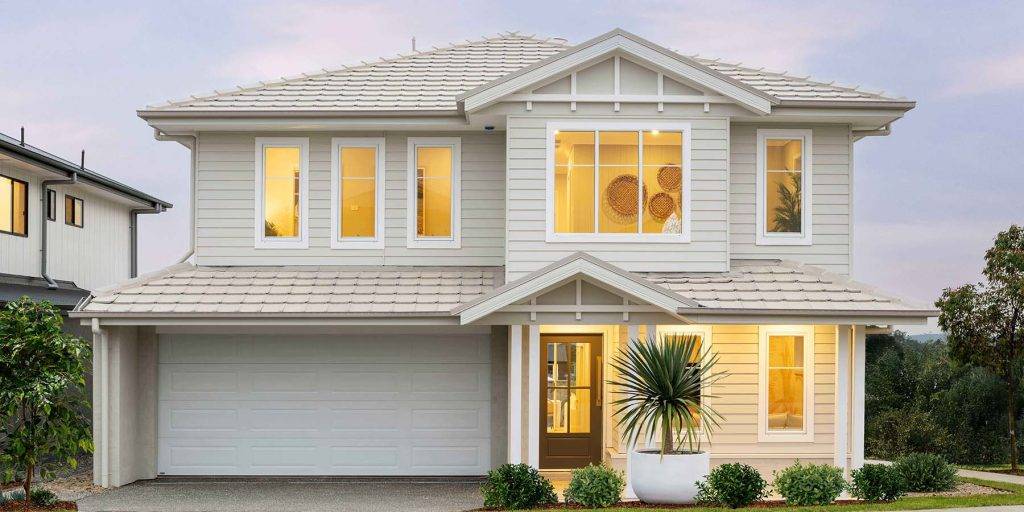
Defining Minimalism Beyond Aesthetics
Minimalism transcends mere visual appeal; it’s a philosophy that emphasizes intentional living. Rooted in the principle of “less is more,” minimalist design focuses on simplicity, functionality, and the elimination of excess. This approach fosters environments that are both serene and purposeful, allowing individuals to focus on what truly matters.
The Psychological Impact of Clutter-Free Spaces
Cluttered environments can significantly impact mental health. Studies have shown that excessive clutter can lead to increased stress, anxiety, and decreased productivity. Conversely, organized and minimalist spaces promote a sense of calm and clarity, enhancing overall well-being .
Aligning Physical Spaces with Mental Clarity
A well-designed minimalist space aligns with mental clarity by reducing distractions and promoting focus. Incorporating functional elements, such as streamlined furniture and efficient storage solutions, supports this alignment. For instance, opting for premium concrete coatings can provide a sleek and durable flooring solution that complements minimalist aesthetics while offering practicality.
Designing a Minimalist Home: Key Principles
Prioritizing Function Over Form
In minimalist design, every element serves a purpose. Furniture and decor are chosen not only for their aesthetic appeal but also for their functionality. This intentional selection ensures that spaces are both beautiful and practical, eliminating unnecessary items that do not contribute to the room’s purpose.
Selecting Neutral Color Palettes and Natural Materials
Neutral color schemes, such as whites, grays, and beiges, are staples in minimalist design. These hues create a calming atmosphere and serve as a backdrop for natural materials like wood, stone, and metal. Incorporating these elements fosters a connection to nature and enhances the sense of tranquility within the space.
Incorporating Multi-Functional Furniture and Storage Solutions
Maximizing space is essential in minimalist homes. Multi-functional furniture, such as storage ottomans or fold-out desks, provides versatility without adding clutter. Built-in storage solutions help maintain clean lines and open spaces, essential characteristics of minimalist design. When considering flooring options that align with minimalist principles, concrete floor coatings offer a seamless and durable choice that enhances the overall aesthetic.
The Role of Flooring in Minimalist Spaces
Seamless Flooring Options for Open-Concept Living
Open-concept layouts benefit from flooring that provides visual continuity. Seamless flooring options, such as polished concrete or epoxy, eliminate transitions between rooms, creating a cohesive and expansive feel. These materials not only enhance the minimalist aesthetic but also offer practical benefits like durability and ease of maintenance.
Benefits of Polished Concrete and Epoxy Finishes
Polished concrete flooring is renowned for its durability, low maintenance, and modern appearance. Its reflective surface can brighten spaces, reducing the need for additional lighting . Similarly, epoxy finishes provide a sleek, high-gloss look that is resistant to stains and wear, making them ideal for high-traffic areas .
Maintenance and Longevity of Minimalist Flooring Choices
Minimalist flooring options like polished concrete and epoxy are not only aesthetically pleasing but also long-lasting. Their resilience to daily wear and tear ensures that the minimalist design remains intact over time. In garage spaces, for example, garage floor coatings can transform a typically utilitarian area into a clean and organized extension of the home.
Real-Life Transformations: Minimalism in Action
Case Study: A Garage Turned Minimalist Workspace
Transforming a cluttered garage into a minimalist workspace can significantly enhance productivity. By decluttering, applying durable flooring, and incorporating functional storage, the space becomes conducive to focus and creativity. This transformation demonstrates the practical application of minimalist principles in everyday settings.
Interview: Homeowner’s Journey to a Clutter-Free Living Room
One homeowner shared their experience of adopting minimalism in their living room. By removing unnecessary furniture, choosing a neutral color palette, and incorporating multi-functional pieces, they created a serene environment that promotes relaxation and mindfulness.
Before-and-After: The Impact of Minimalist Renovations on Daily Life
Before embracing minimalism, many individuals report feeling overwhelmed by their surroundings. After implementing minimalist design principles, they often experience increased clarity, reduced stress, and improved overall well-being. These transformations highlight the profound impact that intentional design can have on daily life.
Overcoming Challenges in Adopting Minimalist Design
Letting Go of Sentimental Items
Parting with items of sentimental value can be challenging. However, minimalism encourages individuals to focus on the memories associated with objects rather than the objects themselves. By keeping only items that serve a purpose or bring joy, individuals can create a more meaningful and uncluttered space.
Balancing Minimalism with Family Needs
Implementing minimalist design in a family setting requires thoughtful consideration. Designing shared spaces that accommodate everyone’s needs while maintaining simplicity is key. This balance ensures that the home remains functional and harmonious for all members.
Avoiding the Pitfall of Sterile Spaces
A common misconception is that minimalist spaces are cold or impersonal. To avoid this, incorporate textures, natural materials, and personal touches that add warmth and character. This approach maintains the minimalist aesthetic while creating an inviting atmosphere.
Sustainable Minimalism: Eco-Friendly Choices
Choosing Sustainable Materials and Finishes
Sustainable minimalism emphasizes the use of eco-friendly materials. Opting for reclaimed wood, recycled metals, and low-VOC finishes reduces environmental impact and supports a healthier living environment. These choices align with minimalist principles by focusing on quality and longevity.
Energy Efficiency in Minimalist Design
Minimalist homes often incorporate energy-efficient features such as LED lighting, smart thermostats, and natural ventilation. These elements not only reduce energy consumption but also contribute to a cleaner and more sustainable living space.
Long-Term Benefits of Durable, Low-Maintenance Materials
Investing in durable materials minimizes the need for frequent replacements, reducing waste and maintenance efforts. For instance, polished concrete floors are not only long-lasting but also require minimal upkeep, making them an ideal choice for sustainable minimalist homes.
Integrating Technology Seamlessly into Minimalist Homes
Smart Home Devices that Complement Minimalist Aesthetics
Modern technology can enhance minimalist living when integrated thoughtfully. Smart home devices like thermostats, lighting systems, and security features can be discreetly incorporated to maintain clean lines and uncluttered spaces.
Concealing Cables and Electronics for a Clean Look
Managing cables and electronic devices is crucial in maintaining a minimalist aesthetic. Utilizing wireless technology, built-in storage, and cable management systems helps keep spaces tidy and visually appealing.
The Future of Minimalist Living with Technology
As technology advances, minimalist homes can benefit from innovations that promote efficiency and simplicity. From voice-controlled assistants to automated lighting, these tools can enhance daily living while preserving the minimalist ethos.
Let’s continue and complete the article.
Minimalism Beyond the Home: Lifestyle Implications
Adopting Minimalist Principles in Daily Routines
Minimalism isn’t limited to design—it’s a lifestyle that extends to daily choices. Simplifying routines by reducing decision fatigue, organizing schedules, and focusing on intentional actions can lead to greater clarity and reduced stress. From streamlining wardrobes to simplifying meal planning, minimalism encourages a more focused and purposeful life.
Financial Benefits of a Minimalist Lifestyle
Adopting minimalist principles often leads to significant financial savings. By resisting impulse purchases and prioritizing quality over quantity, individuals can reduce unnecessary expenses. Investing in long-lasting items, avoiding trends, and decluttering finances can lead to a more secure and stress-free financial future.
Mindfulness and Intentional Living
Minimalism cultivates mindfulness by encouraging people to slow down and reflect on their choices. This intentionality fosters a deeper connection to one’s environment and values. Whether it’s choosing what to bring into the home or how to spend time, minimalism promotes living with purpose and clarity.
Starting Your Minimalist Journey: Practical Steps
Assessing and Decluttering Your Current Space
The first step toward a minimalist home is honest assessment. Take stock of every room, identify what’s essential, and begin removing items that no longer serve a purpose. Use the “one-year rule”—if something hasn’t been used or appreciated in a year, it’s likely time to let it go.
Setting Realistic Goals for Minimalist Living
Minimalism doesn’t require drastic overnight changes. Start small: declutter one drawer, simplify one routine, or redesign one room. Setting achievable goals helps maintain motivation and fosters long-term success.
Resources and Communities for Ongoing Support
Support is key in any lifestyle shift. Books, blogs, podcasts, and online forums offer inspiration and guidance. Connecting with like-minded individuals can provide accountability, encouragement, and new ideas to sustain the minimalist journey.
Embracing Minimalism: A Path to Enhanced Living
Reflecting on the Personal Benefits of Minimalist Design
Minimalism often leads to unexpected benefits: a clearer mind, a calmer home, and more time for what truly matters. It empowers individuals to focus on relationships, creativity, and well-being rather than material possessions.
Encouragement to Begin the Minimalist Transformation
Taking the first step is often the hardest, but the rewards are profound. Whether you’re redesigning a home or rethinking daily habits, minimalism offers a way to reclaim space—physically and mentally.
Final Thoughts on the Intersection of Design and Well-Being
Minimalist design is more than a trend—it’s a transformative philosophy. By simplifying our environments, we create room for peace, productivity, and joy. It’s not about having less; it’s about making room for more of what matters.