

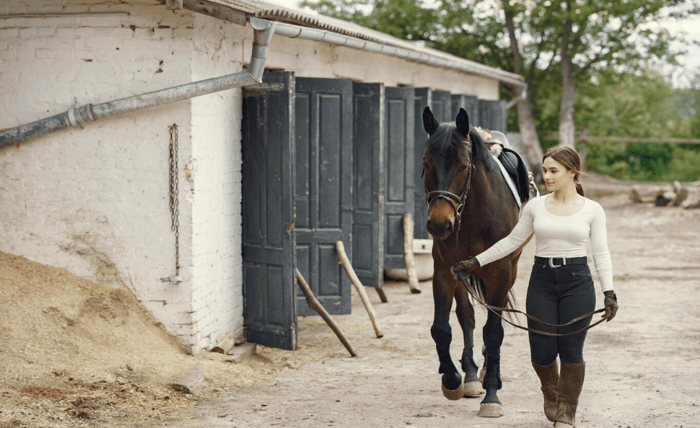
There’s a growing trend toward designs that combine form and function when choosing a horse barn. Sleek and Functional Low Profile Horse Barns are a prime example. From improved airflow to better accessibility, low-profile barns are a smart and stylish solution for modern equestrians.
Aesthetic Appeal That Complements Any Property
One of the first things people notice about low-profile horse barns is their sleek appearance. With a reduced roofline and a more compact vertical structure, these barns have a modern, streamlined look that blends seamlessly with rural landscapes and upscale equestrian estates. This design is often preferred by property owners who want their facilities to look polished without being overly imposing.
Easy Access for Horses and Humans
One key benefit of a low-profile barn is its user-friendly layout. These barns are typically designed with wide entryways, efficient aisle spacing, and low door thresholds, making it easy for both horses and handlers to move through the space. The reduced height doesn’t compromise function; instead, it encourages a more efficient use of interior space.
The gentle transitions in a low-profile barn can be a real advantage for older horses or those with mobility issues. Similarly, handlers benefit from reduced strain during daily chores such as mucking stalls or leading horses in and out. Every design element makes the barn safer and more accessible, supporting the well-being of everyone who uses it.
Designed for Efficiency and Flow
Efficiency is essential in any barn setting; low-profile horse barns excel in this area. Their compact yet spacious design allows for thoughtful placement of stalls, storage areas, wash bays, and tack rooms. Everything is within reach, reducing the time spent walking back and forth and allowing for a smoother workflow.
In a well-planned, low-profile barn, stall doors often open into wide, straight aisles that are easy to clean and navigate. Feed and water systems are usually built into the stalls or conveniently located nearby, minimizing labor and maximizing time spent on horse care. This efficient design translates into cost savings and better productivity over the long term.
Natural Ventilation and Comfortable Airflow
Another significant benefit of low-profile barns is their ability to provide good ventilation, which is critical for horses’ health. Despite their lower roofline, these barns can be engineered to allow ample airflow through ridge vents, eave openings, and strategically placed windows and doors. Proper ventilation helps reduce the buildup of ammonia from urine, controls moisture levels, and keeps temperatures more stable.
A well-ventilated profile barn ensures fresh air is constantly circulating, creating a healthier environment for animals and humans. F fans or cupolas can enhance ventilation systems without compromising the barn’s low-slung design.
Ample Space Where It Matters
While low-profile barns have a shorter overall height, they don’t skimp on usable space. Clever design choices make the most of every square foot, providing roomy stalls and high enough ceilings to accommodate most horse breeds comfortably. The interior layout is often open and uncluttered, contributing to a sense of spaciousness even in a smaller footprint.
Stalls in low-profile barns can be customized with features like sliding doors, integrated feeders, and built-in waterers. Storage areas can be designed vertically or tucked into smart spaces to reduce clutter and improve organization. The result is a barn that feels open, accessible, and inviting without unnecessary bulk.
Customization Options to Fit Your Needs
Low-profile horse barns can be customized in many ways to fit your specific needs. Whether you’re a horse owner, trainer, or breeder, you can add more windows for sunlight, extra stalls for more horses, or a covered walkway for rainy days. The design stays practical and good-looking no matter how you adjust it.
Energy Efficiency and Lower Maintenance
Proper insulation and ventilation systems make maintaining a comfortable temperature inside the barn easier and less expensive.
Additionally, the simple roof structure and compact design mean fewer materials are exposed to the elements, reducing the need for frequent maintenance. Regular upkeep is still necessary, but many owners find that low-profile barns hold up well over time and are easier to clean and care for than larger, more complex structures.
Ideal for Small Farms and Hobbyists
Low-profile barns are especially well-suited for smaller farms, private stables, and hobby horse owners. Even on a smaller scale, these barns offer all the essential features for quality horse care.
Because of their simplicity and functionality, low-profile barns are also a great entry-level option for new horse owners. They provide a manageable, efficient space to learn the ins and outs of horse care without feeling overwhelmed by the size and complexity of a larger barn.
Conclusion: A Smart Investment for Style and Substance
Low-profile horse barns bring together the best of both worlds, sleek design and practical functionality. They are visually appealing, space-efficient, and built to support the health and comfort of your horses. Whether running a small hobby farm or a professional equestrian facility, a low-profile barn offers a reliable, stylish, and efficient solution.