

Getting new ceramic implants is exciting, but it’s smart to watch for early warning signs. Not all problems are serious, but catching them early makes a big difference.
This guide helps you spot what’s normal and what’s not, so you can keep your smile strong and your implant healthy.
Understanding Ceramic Implants – A Modern Dental Solution
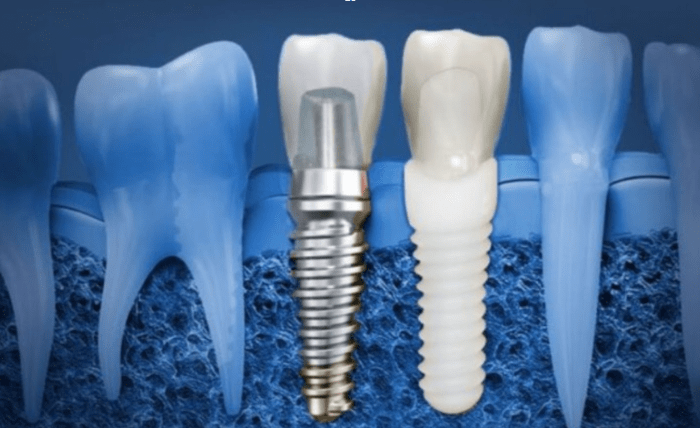
Ceramic implants are becoming a popular choice in dental care. These implants are made from high-quality zirconia, a material that offers a natural-looking and durable solution for replacing missing teeth. Unlike traditional metal implants, ceramic implants provide a more aesthetic option for those seeking a metal-free dental restoration.
What Are Ceramic Implants?
Ceramic implants are designed to replace missing teeth with a strong, biocompatible material. Zirconia, the main component, is a white ceramic that blends well with the natural color of your teeth.
This makes it an ideal option for people who want a tooth replacement that looks as close to natural as possible. Ceramic implants are also known for being gentle on the gums, reducing the risk of inflammation or irritation that can sometimes occur with metal implants.
Why Choose Ceramic Implants?
One of the main reasons people choose ceramic implants is their aesthetic appeal. They provide a more natural, tooth-like appearance, especially for front teeth.
Additionally, ceramic implants are known to be highly biocompatible, meaning they are less likely to cause allergic reactions or sensitivities compared to metal implants. This makes them an excellent option for people who are sensitive to metals.
Early Warning Signs of Problems with New Ceramic Implants
Getting ceramic implants is a great way to restore your smile, but it’s important to keep an eye out for any early warning signs of problems. Catching issues early can help prevent bigger problems later on, ensuring your implant stays healthy and functional for years to come.
1. Pain or Discomfort That Won’t Go Away
It’s normal to feel some discomfort right after the surgery, but if you continue to experience pain long after the procedure, it could be a sign of a problem. Persistent pain around the implant site might indicate an infection, inflammation, or even implant failure.
2. Swelling or Redness Around the Implant
Some swelling and redness can occur right after getting an implant, but if these symptoms don’t improve or get worse, it could suggest an infection or irritation. The gum tissue should heal properly, and any ongoing inflammation needs to be addressed by your dentist.
3. Mobility or Loosening of the Implant
If your ceramic implant starts to feel loose, this is a serious sign that the implant is not properly integrated with the bone. A loose implant could mean that the bone hasn’t fused correctly with the ceramic, and it might need to be adjusted or replaced.
4. Unusual Discharge or Bad Odor
If you notice any discharge coming from around the implant or experience an unusual bad smell, it could be a sign of an infection. This needs to be checked by a dental professional as soon as possible to avoid complications.
Common Causes Behind Early Concerns with Ceramic Implants
While ceramic implants are a popular and reliable choice, there are a few common causes behind early concerns that can affect their success. Understanding these factors can help you prevent potential problems and ensure that your implants heal properly.
1. Surgical Technique Issues
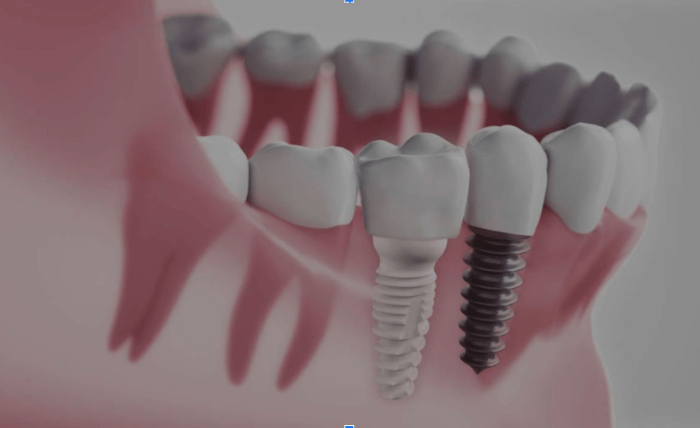
One of the most common causes of early problems with ceramic implants is improper placement during surgery. If the implant isn’t positioned correctly in the jawbone or the bone isn’t prepared properly, it can lead to issues such as implant failure or difficulty with osseointegration (the process where the implant fuses with the bone).
2. Inadequate Bone Quality
For an implant to properly fuse with the bone, there needs to be enough healthy bone in the area. If the bone is too soft or thin, the implant might not integrate well, causing it to become loose or fail. In such cases, additional bone grafting may be needed before the implant can be successfully placed.
3. Poor Oral Hygiene and Care
After getting ceramic implants, it’s essential to maintain good oral hygiene. Poor brushing and flossing can lead to infections or inflammation around the implant, a condition known as peri-implantitis. This can cause the implant to loosen or fail, and it’s one of the most common reasons for early complications.
4. Patient-Specific Factors
Certain factors like smoking, underlying health conditions (like diabetes), or medications can affect how well your body heals after implant surgery. Smoking, in particular, can slow healing and increase the risk of infection, while health conditions can interfere with the body’s ability to integrate the implant.
5. Material Sensitivity
Though rare, some patients may have an allergic reaction to the ceramic material used in the implant. This could cause discomfort, swelling, or irritation around the implant site. If you suspect sensitivity to the material, it’s important to contact your dentist immediately.
Effective Solutions and Preventive Measures for Ceramic Implant Issues
If you notice any early concerns with your ceramic implants, don’t panic! There are effective solutions and preventive measures that can help keep your implants in top condition and ensure long-term success.
1. Consult Your Dentist Regularly
Regular check-ups with your dentist are crucial to monitor the condition of your ceramic implants. Your dentist can detect any early signs of issues, such as inflammation, bone loss, or implant mobility, and offer treatments to address them quickly. Routine exams and X-rays are essential for catching problems before they escalate.
2. Follow a Proper Aftercare Routine
Taking care of your implants after surgery is vital for their success. This includes brushing and flossing regularly around the implant to prevent infection. Your dentist might also recommend a special antimicrobial mouthwash to keep the area clean. If you’ve recently had a ceramic implant placed, avoid hard foods that could put extra pressure on the implant.
3. Address Infections Quickly
If you experience signs of infection, such as redness, swelling, or a bad taste in your mouth, visit your dentist immediately. Early treatment of infections can often prevent them from spreading and causing more severe complications. Your dentist might prescribe antibiotics or clean the area around the implant to resolve the issue.
4. Quit Smoking
If you smoke, it’s important to quit, especially after getting ceramic implants. Smoking slows down the healing process and increases the risk of complications like gum disease or implant failure. By quitting smoking, you help your implants integrate better with the bone and improve the overall health of your mouth.
5. Maintain a Healthy Lifestyle
Good overall health plays a big role in the success of your ceramic implants. Eating a balanced diet, staying hydrated, and managing conditions like diabetes can help your body heal properly and maintain bone health. Strong, healthy bone is essential for supporting your implants long-term.
6. Consider Bone Grafting if Needed
If your jawbone isn’t strong enough to support the implant, your dentist may recommend bone grafting. This procedure involves adding bone material to the area where the implant will be placed, providing a better foundation for the implant and improving its chances of success.
Conclusion
Ceramic implants can last a long time if you know what to look for early on. Don’t ignore small changes. Check in with your dentist, stay on top of care, and you’ll protect your smile for years.