

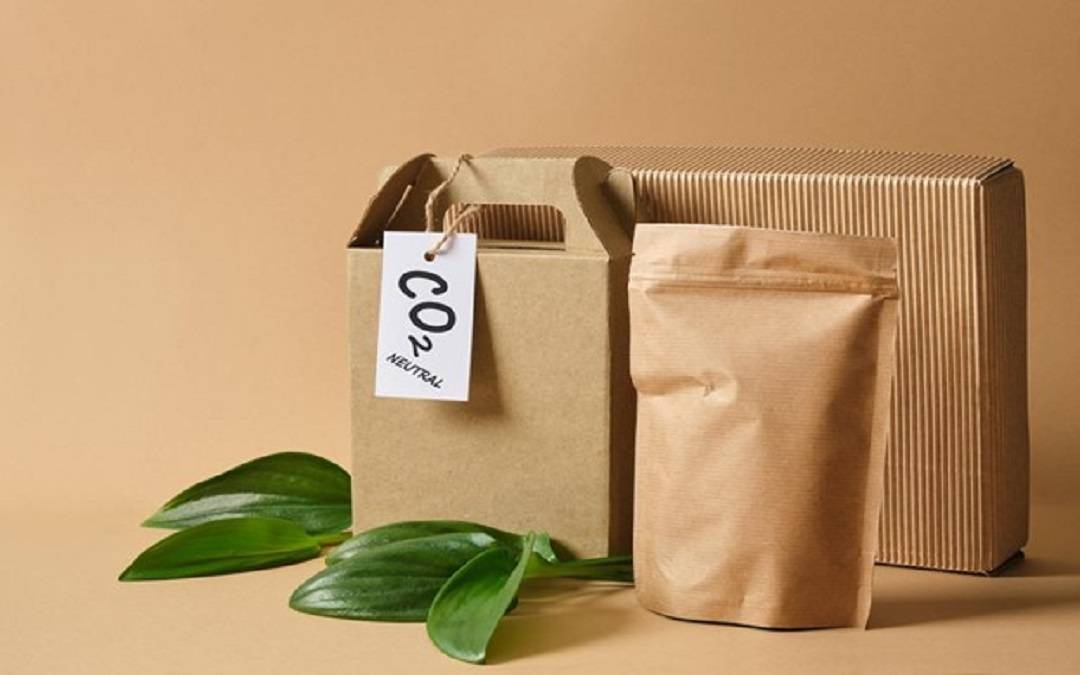
The Hidden Downsides of Eco-Friendly Packaging
Sustainable packaging is more popular than ever, with brands racing to showcase their environmental responsibility.
But what if your eco-friendly packaging is actually driving customers away? While sustainability is important, many businesses overlook key factors that impact sales, customer perception, and usability.
Let’s explore why eco-friendly packaging might be hurting your sales—and how to fix it.
1. Perceived Lower Quality
Many consumers associate premium products with sturdy, sleek, and high-end packaging. Some eco-friendly materials, like recycled cardboard or biodegradable plastics, may feel flimsy or look dull, leading customers to assume your product is lower quality.
How to Fix It:
-
Invest in sustainable materials that still feel premium (e.g., textured recycled paper, high-quality compostable plastics, biodegradable flexible polymers like Kraft PLA).
-
Use smart design elements like embossing, foil stamping, or minimalist branding to elevate the look.
-
Communicate clearly that your packaging is eco-friendly without making it look cheap.
2. Higher Costs Passed to Customers
Eco-friendly materials often cost more to produce, and those expenses are typically passed on to consumers.
If your product’s price suddenly jumps due to sustainable packaging, customers may switch to cheaper competitors.
How to Fix It:
-
Every time you update your packaging, make sure to highlight the long-term value of your product and sustainability efforts.
-
Consider a hybrid approach—using sustainable materials in key areas while balancing costs.
-
Offer tiered packaging options so customers can choose a premium sustainable option or a more affordable version.
3. Confusion and Inconvenience for Customers
Eco-friendly packaging often requires special disposal methods, like industrial composting or separating materials for recycling.
If customers don’t understand how to dispose of your packaging properly, they may feel frustrated and disengaged.
How to Fix It:
-
Clearly label packaging with simple disposal instructions.
-
Use QR codes to direct customers to educational content about how your packaging benefits the environment.
-
Consider packaging that aligns with existing recycling systems to make it easier for consumers.
4. Lack of Aesthetic Appeal
Minimalist, plain, or rough-textured eco-friendly packaging might not stand out on crowded shelves or in online product images. If your packaging fails to grab attention, your product might get overlooked.
How to Fix It:
-
Use bold typography, rich colors, and engaging design elements to make sustainable packaging visually compelling.
-
Balance sustainability with branding by integrating custom-printed designs on recycled materials.
-
Prioritize functional and eye-catching shapes to make the product stand out.
5. Greenwashing Backlash
Consumers are increasingly skeptical of brands that claim to be “eco-friendly” without providing proof.
If your packaging makes vague sustainability claims, customers might perceive your brand as dishonest or inauthentic.
How to Fix It:
-
Be transparent about the sustainability benefits and limitations of your packaging.
-
Use certifications (e.g., FSC, compostable labels) to prove your eco-claims when you shift from using less plastic.
-
Focus on storytelling—explain why you chose specific materials and how they reduce environmental impact.
The Bottom Line: Make Eco-Friendly Packaging Work for You
Sustainable packaging can enhance your brand if done correctly.
Instead of just following popular trends, ensure your custom packaging maintains quality, affordability, usability, and strong branding while being environmentally responsible as well.
Is your eco-friendly packaging helping or hurting your business? If sales are dropping, it may be time to rethink your approach now!