

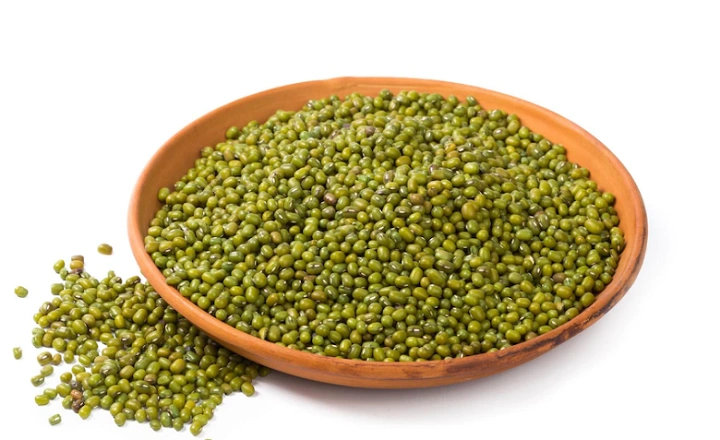
Green gram, commonly known as mung bean, is a small green legume that is widely consumed in Asia, Africa, and other parts of the world. It is scientifically known as Vigna radiata and is one of the most nutrient-dense legumes available. Green gram is rich in protein, fiber, vitamins, and minerals, making it a staple food in many cultures.
It is commonly used in soups, curries, sprouted salads, and flour-based recipes. Due to its impressive nutritional profile, green gram is highly recommended for those looking for a healthy and sustainable protein source. Its versatility allows it to be consumed in various forms, including whole, split, sprouted, or ground into flour.
Nutritional Value of Green Gram

Green gram is packed with essential nutrients that provide multiple health benefits. Below is a breakdown of its nutritional composition per 100 grams of raw mung beans.
| Nutrient | Amount per 100g |
| Calories | 347 kcal |
| Protein | 24g |
| Carbohydrates | 63g |
| Fiber | 16g |
| Fat | 1.2g |
| Iron | 6.7mg |
| Calcium | 132mg |
| Magnesium | 189mg |
| Potassium | 1246mg |
| Vitamin C | 4.8mg |
| Folate | 625mcg |
Green gram is an excellent source of plant-based protein, making it an essential part of vegetarian and vegan diets. It is also rich in antioxidants and essential vitamins that contribute to overall health.
Health Benefits of Green Gram
Rich in Protein and Supports Muscle Growth
Green gram is a high-protein food, making it beneficial for muscle repair and growth. It is an ideal choice for vegetarians who require alternative protein sources. The presence of essential amino acids makes it a complete protein, helping the body build and repair tissues efficiently.
Aids in Digestion and Promotes Gut Health
The high fiber content in green gram helps improve digestion and prevent constipation. It acts as a prebiotic, promoting the growth of beneficial gut bacteria, which supports overall digestive health. It is also gentle on the stomach, making it a suitable food for people with weak digestion.
Helps in Weight Management
Green gram is low in fat and high in fiber and protein, making it a great food choice for weight loss. The fiber content promotes satiety, reducing hunger and preventing overeating. It also stabilizes blood sugar levels, helping control cravings and keeping energy levels steady.
Regulates Blood Sugar Levels
Green gram has a low glycemic index, which means it releases sugar slowly into the bloodstream. This helps prevent sudden spikes in blood sugar, making it an excellent food for people with diabetes or those looking to maintain healthy blood sugar levels.
Supports Heart Health
The presence of magnesium, potassium, and fiber in green gram contributes to heart health. These nutrients help lower blood pressure, reduce bad cholesterol levels, and prevent heart diseases. The antioxidants in mung beans also reduce inflammation, further protecting the heart.
Boosts Immunity and Reduces Inflammation
Green gram is rich in antioxidants and vitamins that help strengthen the immune system. It contains compounds such as flavonoids and phenolic acids, which reduce inflammation and protect the body against infections and diseases.
Improves Skin and Hair Health
The high levels of antioxidants and vitamins in green gram promote healthy skin and hair. It helps detoxify the body, reducing acne and skin inflammation. Many skincare products use green gram powder as a natural exfoliant for clearer skin. Its protein content also supports hair growth and strengthens hair follicles.
Ways to Consume Green Gram

Green gram can be prepared in various ways, making it a versatile addition to meals. Below are some popular methods of consumption.
Sprouted Green Gram
Sprouting green gram increases its nutritional value by enhancing vitamin and enzyme content. Sprouted green gram is easier to digest and is commonly used in salads, soups, and sandwiches.
Cooked Green Gram
Boiled green gram is often used in curries, soups, and stews. It can be combined with vegetables, spices, and coconut milk for added flavor and nutrition.
Green Gram Flour
Green gram can be ground into flour and used for making dosas, pancakes, and baked goods. This gluten-free flour is a healthy alternative to wheat flour.
Green Gram Soup
A light and nutritious green gram soup is easy to digest and packed with proteins and minerals. It is a perfect meal for recovering from illnesses or maintaining a balanced diet.
Roasted Green Gram
Roasted green gram can be eaten as a crunchy and healthy snack. It is an excellent option for weight-conscious individuals looking for a protein-rich alternative to processed snacks.
Comparison of Green Gram with Other Legumes
Green gram is often compared to other legumes due to its high protein and fiber content. Below is a comparison with other commonly consumed legumes.
| Legume | Protein (per 100g) | Fiber | Calories |
| Green Gram | 24g | 16g | 347 kcal |
| Lentils | 25g | 11g | 353 kcal |
| Chickpeas | 19g | 17g | 364 kcal |
| Kidney Beans | 23g | 15g | 333 kcal |
Green gram stands out for its balanced protein and fiber content, making it a superior choice for those looking for both nutrition and digestibility.
Tips for Cooking and Storing Green Gram
To retain maximum nutrients and enhance the taste of green gram, follow these tips:
- Soaking – Soaking green gram for a few hours before cooking reduces cooking time and enhances digestibility.
- Sprouting – Sprouted green gram is more nutritious and can be easily prepared by soaking and leaving them in a damp cloth for a day.
- Cooking Methods – Boiling, steaming, and roasting are the best ways to prepare green gram while retaining its nutrients.
- Storage – Store dried green gram in an airtight container in a cool, dry place to prevent moisture and pests. Sprouted green gram should be refrigerated and consumed within a few days.
Frequently Asked Questions
Is green gram good for weight loss?
Yes, green gram is low in fat and high in fiber and protein, making it an excellent food for weight management. It helps keep you full for longer, reducing cravings.
Can green gram be eaten raw?
Green gram can be eaten raw after sprouting. However, unsoaked or uncooked green gram may be harder to digest.
Is green gram suitable for people with diabetes?
Yes, green gram has a low glycemic index, meaning it helps regulate blood sugar levels and prevents insulin spikes.
What are the benefits of sprouted green gram?
Sprouted green gram is rich in enzymes, vitamins, and antioxidants. It is easier to digest and has higher nutrient bioavailability than unsprouted beans.
Can green gram cause bloating?
For some people, legumes can cause bloating. Soaking or sprouting green gram before consumption can help reduce digestive discomfort.
Green gram is a highly nutritious and versatile legume that offers multiple health benefits. It supports muscle growth, aids digestion, promotes heart health, regulates blood sugar levels, and boosts immunity. Whether consumed as sprouts, cooked dishes, or flour-based recipes, green gram is a powerhouse of nutrition that can be easily incorporated into daily meals.