

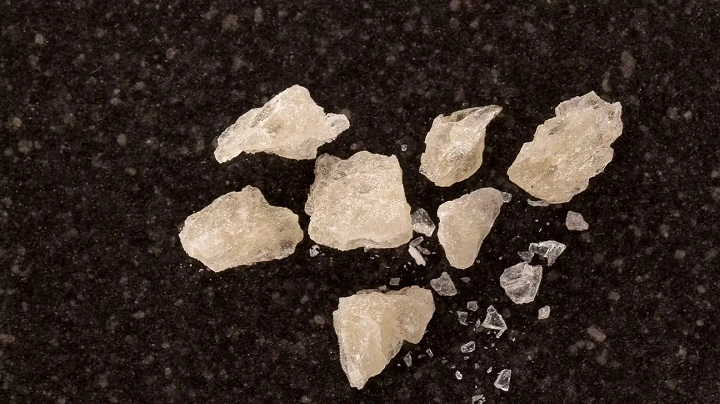
Molly is a slang term for MDMA, a psychoactive drug known for its stimulant and hallucinogenic effects. It is commonly used in party and festival settings due to its euphoric properties. A molly gram refers to a quantity of one gram of MDMA, which is typically divided into multiple doses. Since MDMA is a powerful substance, proper dosage and responsible use are critical to minimize health risks.
MDMA was originally developed for therapeutic purposes but later became widely used as a recreational drug. While some studies suggest its potential for treating PTSD and depression, unregulated use carries significant dangers, including overdose, dehydration, and psychological distress.
How Molly is Measured and Consumed
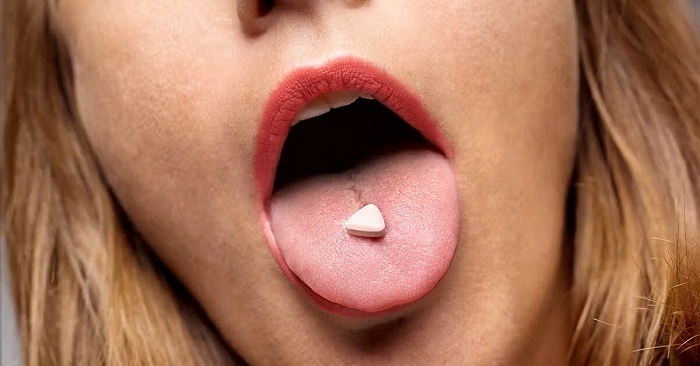
MDMA is usually sold in powder, crystal, or pill form. The potency varies, so measuring the correct dose is essential for harm reduction. Below is a comparison of typical molly dosages.
| Dosage Type | MDMA Amount | Effects |
| Microdose | 20-40 mg | Mild mood enhancement |
| Low Dose | 50-75 mg | Moderate euphoria, increased energy |
| Standard Dose | 75-125 mg | Full stimulant and euphoric effects |
| High Dose | 125-200 mg | Intense euphoria, risk of adverse effects |
| Overdose | 200+ mg | Severe side effects, potential toxicity |
A full molly gram is typically divided into multiple doses, as consuming too much at once can lead to dangerous consequences.
Effects of Molly
MDMA affects the brain by increasing serotonin, dopamine, and norepinephrine levels. This results in heightened emotions, increased energy, and enhanced sensory perception.
Short-Term Effects
Euphoria and emotional openness
Increased energy and sociability
Enhanced sensory perception
Heightened empathy and connection with others
Increased heart rate and body temperature
Negative Effects
Jaw clenching and teeth grinding
Dehydration and excessive sweating
Increased heart rate and blood pressure
Anxiety and paranoia
Nausea and dizziness
While many users seek the positive effects, the risks associated with MDMA should not be ignored.
How Long Does Molly Last in the Body
The duration of MDMA’s effects depends on metabolism, dosage, and body weight. Below is a timeline of how long it remains in the body.
| Phase | Timeframe | Effects |
| Onset | 30-60 minutes | Initial energy boost, mild euphoria |
| Peak | 2-4 hours | Intense euphoria, heightened emotions |
| Come-down | 4-6 hours | Fatigue, mood swings |
| After-effects | Up to 48 hours | Serotonin depletion, tiredness, depression |
The drug remains in the system longer than its effects last, and frequent use can lead to long-term health consequences.
Risks of Taking a Molly Gram
Consuming an entire gram of molly in one sitting is extremely dangerous. MDMA affects the body’s temperature regulation, hydration levels, and cardiovascular system.
Overdose Risks
High body temperature and hyperthermia
Increased risk of serotonin syndrome
Seizures and heart complications
Panic attacks and hallucinations
Dehydration and Overheating
MDMA can cause excessive sweating, leading to dehydration or overheating, especially in crowded party environments. It is important to drink moderate amounts of water and take breaks from physical activity.
Serotonin Depletion and Comedown
A heavy dose of MDMA depletes serotonin, leading to feelings of depression, fatigue, and irritability in the days following use.
How to Reduce the Risks of MDMA Use
While the safest option is to avoid MDMA use altogether, harm reduction strategies can help reduce risks.
Start with a small dose to avoid taking an entire gram at once.
Stay hydrated by drinking water, but not excessively, to prevent overhydration.
Take breaks and rest in cool areas to prevent overheating.
Avoid mixing substances since combining MDMA with alcohol or other drugs increases risks.
Test the substance using reagent test kits to check for purity.
Give your body time to recover by avoiding frequent use to prevent serotonin depletion.
Comparing MDMA to Other Stimulants
MDMA shares similarities with other stimulant drugs but has distinct effects. Below is a comparison.
| Substance | Primary Effects | Duration | Risks |
| MDMA | Euphoria, empathy, energy | 4-6 hours | Dehydration, serotonin depletion |
| Cocaine | Energy, confidence boost | 30-90 minutes | Addiction, heart issues |
| Methamphetamine | Intense stimulation | 6-12 hours | Severe addiction, psychosis |
| LSD | Hallucinations, altered perception | 8-12 hours | Anxiety, bad trips |
MDMA’s effects last longer than cocaine but are shorter than LSD or methamphetamine.
Potential Medical Uses of MDMA

Recent studies suggest that MDMA may have therapeutic benefits for mental health conditions. Clinical trials are exploring its use in treating PTSD, depression, and anxiety.
PTSD research shows that MDMA-assisted therapy has shown promise in helping patients process trauma.
Some research indicates that MDMA may have potential mood-enhancing effects for those with depression and anxiety.
In relationship counseling, MDMA may increase emotional openness and help couples communicate.
While these studies are promising, recreational use without medical supervision carries risks.
The Legal Status of MDMA
MDMA is classified as a Schedule I controlled substance in many countries, meaning it is illegal to manufacture, distribute, or possess. However, some regions have begun allowing research and therapeutic trials.
| Country | Legal Status | Notes |
| United States | Illegal (Schedule I) | Limited research trials allowed |
| Canada | Illegal | Some exceptions for medical research |
| Netherlands | Illegal | Decriminalized in small amounts |
| Australia | Illegal | Research trials permitted |
| Portugal | Decriminalized | Possession for personal use is not a crime |
Understanding local laws is crucial to avoid legal consequences.
Frequently Asked Questions
How much MDMA is too much MDMA?
A standard dose is around 75 to 125 mg. Taking more than 200 mg significantly increases overdose risk.
Can you take a full gram of molly at once?
Consuming an entire gram is dangerous and can lead to severe health complications, including overdose.
How can I tell if MDMA is pure?
Using a reagent test kit can help identify dangerous adulterants like fentanyl or synthetic cathinones.
How long does molly stay in your system?
MDMA is detectable in urine for two to four days, in blood for one to two days, and in hair for up to ninety days.
Can you get addicted to MDMA?
MDMA is not physically addictive, but frequent use can lead to psychological dependence.
A molly gram is a significant quantity of MDMA that should never be consumed in one sitting. While MDMA has mood-enhancing effects, improper use can lead to serious health risks, including dehydration, serotonin depletion, and overdose. Understanding dosage, safe use practices, and the legal implications is crucial for minimizing harm. For those considering MDMA use, prioritizing harm reduction and responsible consumption is essential for staying safe.