

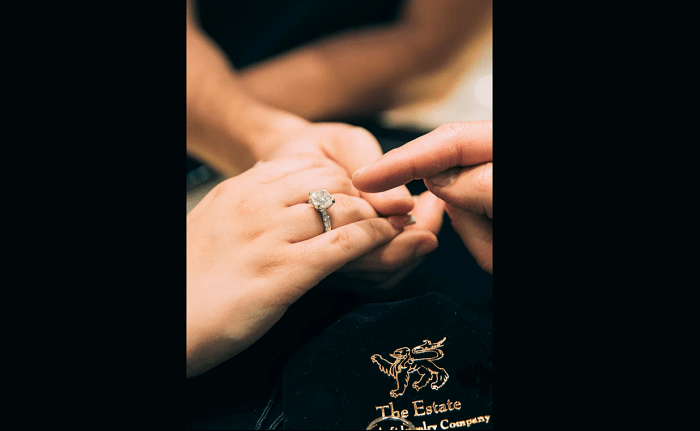
The diamond industry, once driven by tradition and long-standing buying habits, is undergoing a significant transformation. Millennials and Generation Z, the two most influential consumer demographics in today’s market, are reshaping how diamonds are bought, sold, and perceived. Unlike previous generations, which largely followed conventional norms when purchasing diamonds, these younger buyers have new priorities. Ethical concerns, sustainability, affordability, and unique design preferences are changing the way the diamond industry operates. Understanding these shifts is crucial for jewelry retailers, diamond buyers, and sellers who want to stay ahead of market trends.
Changing Consumer Priorities and Ethical Considerations
One of the most significant ways Millennials and Gen Z are transforming the diamond industry is through their emphasis on ethical sourcing and sustainability. Unlike older generations, who often focus purely on the value and prestige of diamonds, younger consumers are far more conscious of where and how these gemstones are sourced. The traditional diamond supply chain has long been associated with environmental concerns and ethical issues, including conflict diamonds, also known as blood diamonds, which are mined under exploitative conditions.
Younger buyers are increasingly demanding transparency in the sourcing process. They want to know the origins of their diamonds and ensure that their purchases do not contribute to unethical labor practices or environmental harm. This demand has led to a rise in interest in ethically sourced diamonds, including those certified by organizations that ensure responsible mining practices. Jewelers who can provide proof of ethical sourcing through blockchain technology or third-party certifications are gaining favor among younger consumers.
Sustainability is another key factor. Millennials and Gen Z buyers are drawn to brands that align with their environmental values, which has fueled interest in lab-grown diamonds. These diamonds, created through advanced technology, have the same chemical and physical properties as natural diamonds but come without the environmental impact of traditional mining. The appeal of lab-grown diamonds extends beyond sustainability; they are also significantly more affordable, allowing younger buyers to purchase high-quality stones at a fraction of the cost.
The Shift Toward Lab-Grown Diamonds
The rise of lab-grown diamonds is one of the most profound changes in the diamond industry over the past decade. Once viewed as a niche product, lab-created diamonds are now a mainstream alternative to mined diamonds, particularly among younger consumers who value affordability and ethical considerations. When exploring these options, it’s helpful to understand the differences between moissanite vs lab diamond to make an informed choice.
Millennials and Gen Z are not as concerned with the exclusivity of natural diamonds as previous generations. Instead, they prioritize quality, appearance, and value for money. Lab-grown diamonds provide all these benefits without the high price tag. They are chemically identical to natural diamonds, offering the same brilliance and durability, but at a cost that can be 30% to 50% lower than their mined counterparts.
The affordability of lab-grown diamonds allows younger buyers to allocate their budgets differently. Instead of spending a significant portion of their income on an engagement ring, many opt to save or invest in experiences such as travel, homeownership, or starting a business. This shift in financial priorities has forced traditional diamond retailers to adapt by offering lab-grown options or adjusting their marketing strategies to appeal to cost-conscious buyers.
Changing Attitudes Toward Engagement Rings and Tradition
For decades, the diamond industry was built on the idea that engagement rings should feature natural diamonds, with marketing campaigns reinforcing the notion that “diamonds are forever.” However, Millennials and Gen Z are challenging this tradition. While engagement rings remain a significant purchase, younger consumers are redefining what these rings should look like and what they should symbolize.
Personalization is now a major trend in the diamond industry. Rather than purchasing standard designs from traditional jewelers, many Millennials and Gen Z buyers prefer customized rings that reflect their personal style. Unique settings, alternative gemstones, and vintage designs are becoming increasingly popular. Some buyers are even choosing colored diamonds, sapphires, or other gemstones over traditional white diamonds.
Another shift is the decreasing emphasis on extravagant spending for engagement rings. While previous generations adhered to the “three-month salary” rule for ring purchases, younger buyers are more pragmatic. Many prioritize financial stability over luxury spending, opting for smaller, high-quality stones or alternative designs that fit within their budgets. This has led to a decline in demand for large, high-carat diamonds, forcing jewelers to adjust their offerings to cater to more budget-conscious consumers.
The Future of the Diamond Industry
As Millennials and Gen Z continue to reshape the diamond market, industry players must adapt to these changing preferences. The demand for transparency, sustainability, affordability, and personalization is unlikely to fade, meaning that a modern diamond buyer must evolve to stay relevant. Brands that embrace ethical sourcing, offer lab-grown alternatives, and leverage technology to improve the buying experience will thrive in this shifting landscape.
The future of the diamond industry will also see more innovations in customization and alternative materials. Younger consumers are drawn to one-of-a-kind designs, and jewelers who offer bespoke creations will gain an edge. Additionally, as technology advances, lab-grown diamonds will likely become even more sophisticated, making them an increasingly attractive option for budget-conscious and eco-conscious buyers.
The Role of Technology in the Diamond Industry
Technology is playing a crucial role in how Millennials and Gen Z engage with the diamond market. Unlike older generations, who primarily relied on in-person shopping experiences at jewelry stores, younger consumers prefer to research and purchase diamonds online. The rise of e-commerce has transformed the way diamonds are bought and sold, with many consumers turning to digital platforms to compare prices, read reviews, and explore different styles before making a purchase.
Online diamond retailers offer a level of convenience and transparency that appeals to tech-savvy buyers. Virtual try-on tools, 3D diamond imaging, and AI-driven recommendations help consumers make informed decisions without ever stepping into a physical store. This shift has put pressure on traditional jewelers to enhance their digital presence, improve their online shopping experiences, and provide better customer education through detailed product descriptions and certifications.
Social media has also played a major role in shaping purchasing decisions. Platforms like Instagram, Pinterest, and TikTok have become key sources of inspiration for younger buyers looking for unique and trendy engagement ring styles. Influencers and celebrities often set new jewelry trends, encouraging younger consumers to explore unconventional designs and alternative gemstones. This digital influence has changed how diamond retailers market their products, with a greater focus on storytelling, ethical sourcing, and personalized branding.
Final Thoughts
While natural diamonds will always have a place in the luxury market, their appeal among younger generations is evolving. Instead of being a status symbol dictated by tradition, diamonds are now viewed through the lens of personal choice, ethical responsibility, and financial practicality. Whether through lab-grown diamonds, vintage pieces, or innovative engagement ring designs, Millennials and Gen Z are redefining what it means to buy and wear diamonds in the modern era.