

White vegetables are one of the highly underestimated foods in general; they actually contain an immense list of health benefits along with a few key nutrients. High in fiber, antioxidants, vitamins, and minerals, white vegetables are great for your health. From cauliflower to onions and mushrooms, they have a powerhouse of health benefits such as improving immunity, being anti-inflammatory in nature, improvement in digestion, and flavored dishes in multiple ways.
Health Benefits of White Vegetables
Rich in Antioxidants
White vegetables are rich in antioxidants such as allicin, quercetin, and anthoxanthins that fight off free radicals and inflammation, hence decreasing the chances of chronic diseases such as cancer and heart ailments. These compounds contribute to better immunity and cellular health.
High in Fiber
Most of the white colored vegetables are a good source of dietary fiber that helps in digestion, gut health, and also keeping the blood sugar under control. The fiber-rich vegetables like cauliflower, parsnip, and turnips help in keeping your tummy full for longer, thus keeping weight in control.
Support Heart Health
Among those white vegetables are garlic and onion that usually contain natural substances to reduce cholesterol and blood pressure. Allicin in garlic lowers cardiovascular functions while the high intake of onions containing quercetin increases, reducing heart diseases.
Nourish Immunity
The varieties in white vegetables are rich in vitamin C, potassium, and other useful minerals that remain excellent for your immune system. Mushrooms contain beta-glucans, an immunomodulatory bioactive compound that may enhance the immune-response by protecting against harmful infection.
Support Healthy Digestion
White vegetables like fennel, cauliflower, and onions happen to be great for digestion; they contain a great amount of natural enzymes and prebiotic fibers that foster gut bacteria for regular bowel movements.
Popular White Vegetables and Their Benefits
Cauliflower
Cauliflower, one of the most versatile white vegetables, cauliflower is packed with fiber, vitamin C, and choline, an important nutrient for brain health. This ingredient has proven increasingly popular in low-carb diets as a nutritional substitute for rice, pizza crust, and even mashed potatoes.
Garlic
It contains anti-inflammatory, antibacterial, and antiviral properties that promote blood pressure reduction, cholesterol reduction, and immune function. The risks of heart-related diseases and infection may also be reduced with regular intake of garlic.
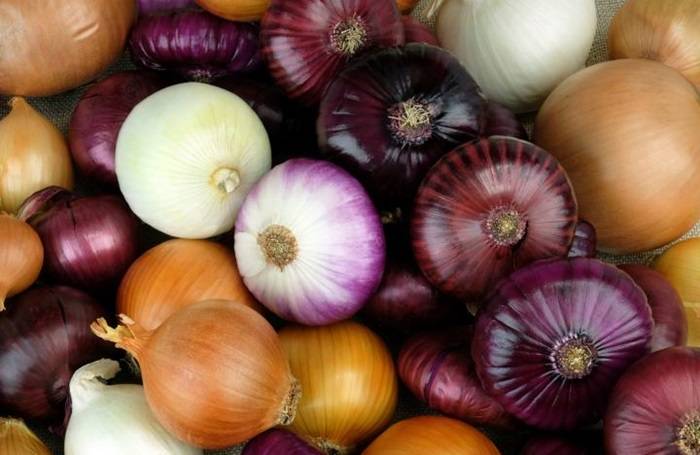
Onions
Onions are rich in antioxidants, especially quercetin, which reduces inflammation and is good for your heart. They have prebiotic fiber to feed your gut with good bacteria.
Mushrooms
Mushrooms have a very rich profile in regard to nutrients-for instance, great sources of B vitamins, selenium, and antioxidants that protect immune function against oxidative stress. It also serves as a plant protein, thus perfect for vegetarian and vegan diets.
Parsnips
Parsnips are rich in fiber, vitamin C, and potassium, hence great for digestion and heart health benefits. Sweet, but not sugary, parsnips are a great counterpart to potatoes when cooking up soups and roasted vegetables.
White Potatoes
Although white potatoes have a bad rap for their high carbohydrate content, they are extremely rich in potassium, vitamin C, and fiber. When cooked in a way that is not unhealthy—baked or boiled, for instance—they provide crucial nutrients and satisfying energy.
Turnips
Turnips are rich in vitamin C, fiber, and folate, which help support immune function, digestion, and cell function. They can be added to soups, stews, and roasted dishes as a nutritious root vegetable option.
Fennel
Fennel is a very distinctive flavor with added digestive benefits. It contains a natural chemical, anethole, which helps reduce bloating and also promotes gut health. Fennel can be added in salads, teas, and stir-fries.
How to Eat More White Vegetables

It is easy to incorporate white vegetables into your diet. They are versatile and can be used in many dishes-roasted or sautéed, steamed, or raw. Here are a few easy ways to get them into your diet:
Soups and Stews: Sauté onions, garlic, parsnips, turnips, and cauliflower for great hearty broths.
Stir-fries: Mushrooms, onions, and fennel-just sauté with the protein of your choice for an easy meal that’s full of flavor.
Salads: Shave thin for crunchy fennel, onions, and cauliflower make a great mix in fresh salads.
fRoasting: Roasted cauliflower, parsnips, and turnips are a really nice side dish with olive oil and spices.
Mashed Alternatives: Use mashed cauliflower or parsnips instead of potatoes for a lower-carb option.
Veggie Noodles: Spiralize parsnips or turnips to replace pasta in healthy recipes.
Frequently Asked Questions
Are white vegetables less nutritious than colorful vegetables?
No, white vegetables are packed with various essential vitamins, minerals, and antioxidants that contribute to overall health. While colorful vegetables have different carotenoids and flavonoids, the unique health benefits of white vegetables include immune-boosting, heart-protective, and anti-inflammatory properties.
Do white vegetables provide advantages in efforts at weight loss?
Indeed, white vegetables are low in calories and high in fiber. Examples include cauliflower, mushrooms, and turnips-all pretty good for weight management. They are filling and thus cut down on one’s desire to eat more, hence reducing calorie intake.
What are the best methods of preparation?
White vegetables roast well, steam well, sauté, or are great raw. This is usually vegetable dependent, or personal preference. Roasting really brings out the natural sweetness while steaming preserves nutrients.
Are white potatoes healthy?
Yes, white potatoes can be a very healthy preparation. They are made of potassium, vitamin C, and fiber. Frying them, though-or putting on a lot of butter and cheese- takes away from it. They are better off baked or boiled.
Which white vegetables would be best for gut health?
Generally speaking, the white vegetables are rich in prebiotics and fiber that feed the good gut bacteria and support gut peristalsis-onions, garlic, fennel, and cauliflower.
Not as flashy, white vegetables nonetheless are rather healthy. Rich in fiber, antioxidants, vitamins, and minerals, white vegetables safeguard heart health, promote digestion, ensure immunity, and maintain the weight in conditions of good health. Including all sorts of white vegetables into your diet not only enriches it but creates some general atmosphere of well-being and flavor for each meal preferred by you.