

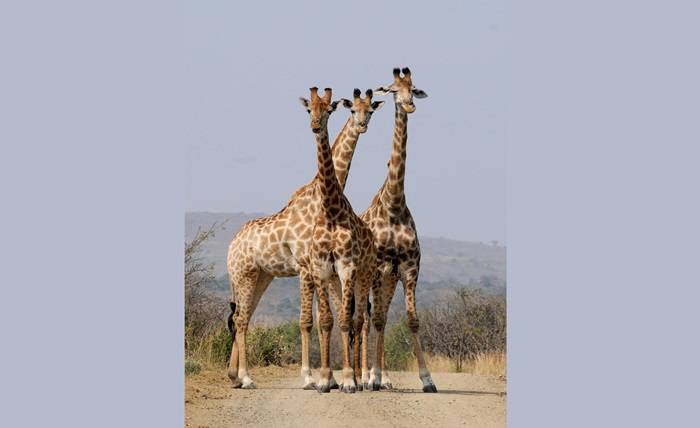
Are you ready for a thrilling wildlife adventure in the heart of Africa? Look no further than Kenya, a country known for its incredible biodiversity and stunning natural landscapes. From the iconic Maasai Mara to the majestic Mount Kilimanjaro, Kenya offers a plethora of opportunities to experience its amazing wildlife up close and personal.
The Big Five and Other Iconic Animals of Kenya
When discussing wildlife in Kenya, the term “Big Five” often comes up. This phrase refers to five of the most sought-after animals to see on safari: the lion, leopard, rhinoceros, elephant, and Cape buffalo. Each of these creatures has its unique traits and behaviors that make them fascinating to observe in their natural habitats.
National Parks and Reserves in Kenya
Kenya is blessed with an array of national parks and reserves, each offering a unique environment for wildlife viewing. The Maasai Mara National Reserve is perhaps the most famous, renowned globally for its spectacular migration of wildebeest and zebras. These incredible animals travel thousands of miles in search of greener pastures, and witnessing this natural phenomenon is a bucket-list experience for many travelers.
Another remarkable location is Amboseli National Park, celebrated for its stunning views of Mount Kilimanjaro. Here, you can observe large herds of elephants and a variety of other wildlife against the majestic backdrop of Africa’s highest peak. The park is a haven for photographers, as the contrast between the animals and the mountain creates picture-perfect moments.
Best Time to Visit for Wildlife Viewing
Timing is crucial when planning your wildlife adventure in Kenya. The best time to visit largely depends on your interests and what you hope to see. Generally, the dry season, spanning from late June to October, is considered the peak time for wildlife viewing. During these months, animals congregate around water sources, making them easier to spot.
The wildebeest migration typically occurs from July to October, drawing travelers from around the globe. Witnessing this migration is a once-in-a-lifetime experience as millions of wildebeest and zebras cross rivers, facing perilous encounters with crocodiles and predators alike. If you time your visit right, you could witness this dramatic spectacle, which is a highlight of any safari in Kenya.
However, visiting during the rainy season, from March to May, has its own advantages. The landscape is lush and green, providing a beautiful backdrop for photography. Additionally, the fewer tourists means a more intimate experience with nature. It’s also a great time for birdwatching, as migratory birds flock to the region during this period. Ultimately, the best time to visit depends on your personal preferences and the experiences you wish to have.
Safaris and Guided Tours in Kenya
One of the best ways to experience Kenya’s wildlife is through a Kenya luxury safari. Choosing the right safari package depends on your preferences and interests. Many tours include experienced guides who provide valuable insights into animal behavior and the ecosystem, enhancing your overall experience.
When selecting a safari, consider the size of the group. Private safaris allow for a more personalized experience, letting you dictate the pace and focus of your adventure. Group safaris, on the other hand, can be more affordable and offer the chance to meet fellow travelers. Regardless of the option you choose, a knowledgeable guide can significantly enhance your understanding of the wildlife and environment.
Conclusion
Kenya stands as a testament to the beauty and diversity of wildlife on our planet. With its stunning landscapes, rich cultural heritage, and commitment to conservation, Kenya offers an unparalleled experience for travelers seeking to connect with nature. From the awe-inspiring Big Five to the vibrant avian populations, the country’s wildlife is both captivating and essential to the ecosystem.