

Severe thunderstorms are a natural phenomenon that can strike with little warning, bringing with them dangerous conditions such as heavy rain, damaging winds, large hail, and even tornadoes. When meteorologists issue a severe thunderstorm watch, it serves as an alert for residents to be aware of potential severe weather that could develop in their area. Understanding what a severe thunderstorm watch means, how to prepare, and the difference between a watch and a warning can be crucial to ensuring safety during these intense weather events.
What is a Severe Thunderstorm Watch?
A severe thunderstorm watch is issued by the National Weather Service (NWS) when atmospheric conditions are favorable for the development of severe thunderstorms in a specific region. These watches typically cover large areas and are issued several hours in advance of expected storm activity. A severe thunderstorm watch does not mean that severe weather is occurring at that moment but rather that it could develop in the near future.
The issuance of a severe thunderstorm watch means that people in the affected area should be prepared for potentially dangerous weather conditions. It serves as an alert to monitor local weather reports, pay attention to updates, and be ready to take shelter if necessary.
Key Characteristics of a Severe Thunderstorm
Severe thunderstorms are defined by specific weather conditions that distinguish them from regular thunderstorms. A thunderstorm is classified as “severe” when it includes one or more of the following:
- Damaging Winds: Wind gusts of 58 miles per hour (93 km/h) or higher are common in severe thunderstorms. These winds have the potential to knock down trees, power lines, and cause structural damage to homes and buildings.
- Large Hail: Hailstones with a diameter of one inch or larger can occur during severe thunderstorms. Hail can cause significant damage to vehicles, roofs, crops, and windows.
- Tornadoes: While tornadoes are not always present in a severe thunderstorm, the right conditions can lead to their formation. Tornadoes pose extreme danger, with the ability to cause widespread destruction in a short amount of time.
- Heavy Rain and Flash Flooding: Severe thunderstorms can bring intense rainfall in a short period, leading to flash flooding. Low-lying areas, streets, and drainage systems can quickly become overwhelmed by the volume of water, causing dangerous flooding conditions.
Severe Thunderstorm Watch vs. Warning: Understanding the Difference
One of the most important distinctions when it comes to severe weather is the difference between a severe thunderstorm watch and a severe thunderstorm warning. While the terms are often used interchangeably by the general public, they represent two different levels of threat.
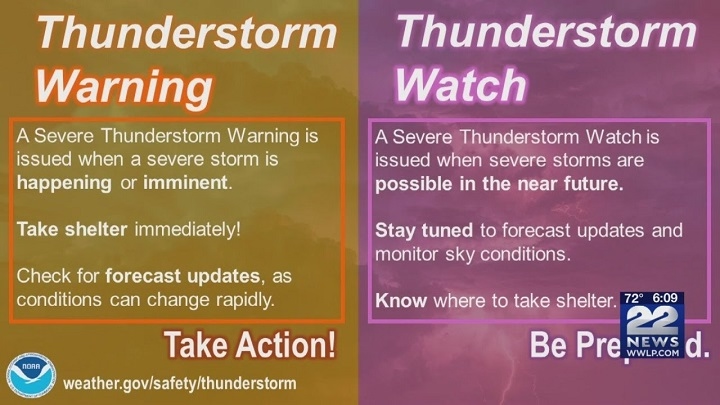
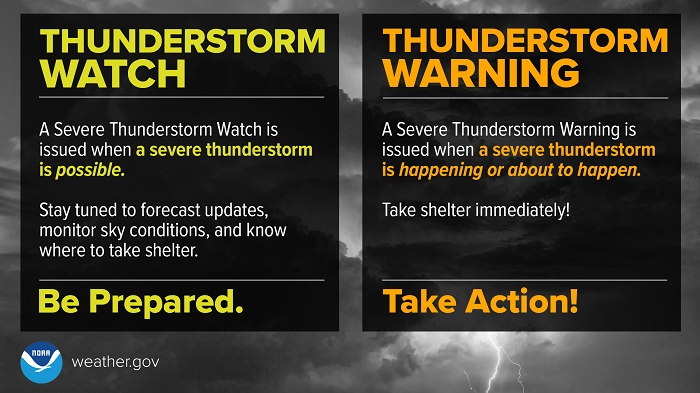
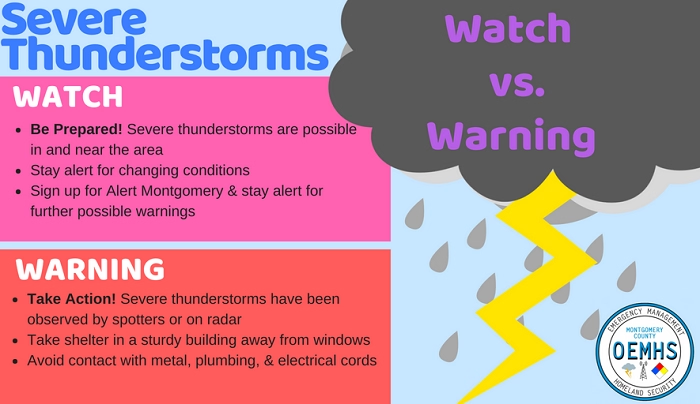
- Severe Thunderstorm Watch: As mentioned earlier, a watch indicates that conditions are favorable for severe thunderstorms to develop. It’s a heads-up that residents should remain vigilant and monitor the weather, but no immediate action is required unless the weather deteriorates.
- Severe Thunderstorm Warning: A warning is issued when a severe thunderstorm has been detected by radar or has been reported by trained spotters in the area. A warning means that dangerous weather is imminent or already occurring, and immediate action should be taken to protect life and property. When a warning is issued, people should seek shelter indoors, away from windows, and avoid being outside in exposed areas.
The key takeaway is that a watch means “be prepared” while a warning means “take action now.”
Preparing for a Severe Thunderstorm Watch
When a severe thunderstorm watch is issued for your area, it’s important to take steps to prepare in case the situation escalates into a warning. Here are some key tips to help you stay safe:
Stay Informed
Make sure you are receiving up-to-date information about the weather in your area. This can be done by:
- Monitoring Local News: Tune into local television or radio stations for weather updates.
- Using Weather Apps: Most smartphones come with built-in weather apps or you can download third-party apps that provide real-time severe weather alerts.
- NOAA Weather Radio: This is a valuable tool that provides continuous updates from the National Weather Service, including severe thunderstorm watches and warnings.
Create an Emergency Plan
An emergency plan can be critical in ensuring your family knows what to do during a severe storm. Your plan should include:
- Designated Safe Areas: Identify the safest part of your home where you can take shelter, such as a basement or an interior room on the lowest floor of your house. Stay away from windows and exterior walls.
- Communication Plan: If family members are not at home, have a way to communicate and a meeting spot in case of severe weather.
- Emergency Kit: Prepare a kit with essential items such as flashlights, batteries, bottled water, non-perishable food, a first-aid kit, and any necessary medications.
Secure Outdoor Items
If a severe thunderstorm is approaching, bring in or secure loose outdoor items such as lawn furniture, toys, and garbage cans that could become dangerous projectiles in strong winds.
Charge Electronics
Ensure your cell phone and other electronic devices are fully charged before a storm arrives. In the event of a power outage, having charged devices will allow you to stay connected and informed.
Also Read: Richard Goodall
What to Do During a Severe Thunderstorm Watch
While a watch indicates that severe weather is possible, it doesn’t mean that you need to stop your day-to-day activities immediately. However, being vigilant and ready to act is crucial. Here’s what to do:
- Stay Indoors: Avoid unnecessary outdoor activities. Stay close to shelter and be prepared to move to your safe area if conditions worsen.
- Monitor Changing Weather: Keep an eye on the sky for signs of approaching storms, such as darkening clouds, lightning, or sudden increases in wind speed.
- Limit Travel: If possible, avoid traveling during a severe thunderstorm watch. If you are already on the road, make sure you have a way to receive weather alerts and know where you can safely pull over if necessary.
During a Severe Thunderstorm Warning: Taking Action
If a severe thunderstorm warning is issued, it’s time to act quickly to protect yourself and your family:
Move to a Safe Location
Immediately head to the safest area in your home, preferably a basement or an interior room on the lowest floor. Stay away from windows, doors, and any areas where glass could shatter due to high winds or flying debris.
Stay Away from Electrical Appliances
Unplug sensitive electronics and avoid using corded phones, computers, or other electrical devices during a thunderstorm to reduce the risk of being struck by lightning.
Avoid Plumbing Fixtures
Because plumbing can conduct electricity, avoid using water (showering, washing dishes, etc.) during a thunderstorm to minimize the risk of electrocution from a lightning strike.
Wait for the All-Clear
Remain in your safe location until the severe thunderstorm has passed and local authorities give the all-clear. This could be communicated through weather alerts, radio updates, or other official sources.
After the Storm: Assessing Damage and Staying Safe
Once the severe thunderstorm has passed and the danger has subsided, it’s important to assess your surroundings carefully. Here are a few steps to take:
- Check for Damage: Inspect your home for any structural damage, broken windows, or fallen trees. Avoid touching downed power lines and report them to local authorities immediately.
- Beware of Flooding: Flash flooding can occur even after the storm has ended. Avoid driving or walking through flooded areas.
- Monitor for Additional Alerts: In some cases, storms can redevelop or additional warnings may be issued. Continue to monitor weather updates until the threat has completely passed.
A severe thunderstorm watch is an early indicator that dangerous weather could develop in your area. Understanding the risks associated with severe thunderstorms and knowing how to prepare can help you stay safe. By taking the necessary precautions, such as staying informed, creating an emergency plan, and knowing when to take action, you can minimize the impact of severe storms and protect yourself and your loved ones.
Whether it’s high winds, large hail, or the possibility of tornadoes, staying vigilant during a severe thunderstorm watch ensures that you’re ready for whatever nature brings.