

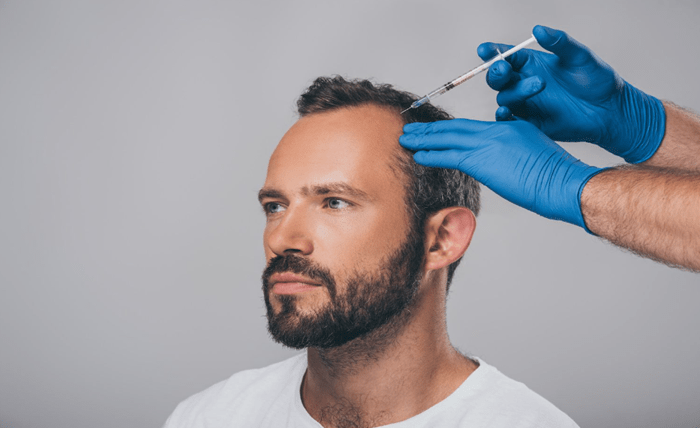
Hair loss is a common issue faced by both men and women and in recent years, various treatment options have emerged to address it. Platelet-rich plasma (PRP) therapy has become one of the go-to solutions due to its non-surgical approach. However, with so many treatments available in Auckland, you might wonder: how does PRP compare to other hair loss treatments? This article will explore the effectiveness of PRP hair loss treatment in Auckland alongside other services to help you make a well-informed decision.
How Does PRP Hair Loss Treatment Work?
PRP therapy uses a concentrated form of plasma derived from your own blood. The platelet-rich plasma is injected into the scalp, where it promotes tissue regeneration and stimulates hair follicles. This treatment enhances blood circulation in the affected area, encouraging new hair growth and reducing hair thinning.
Unlike topical treatments or medications, PRP focuses on boosting the body’s natural healing abilities. Many patients begin to notice visible improvements in hair density and thickness after a few months, with the full effect appearing after multiple sessions. However, since results may vary, it’s essential to compare PRP with other popular hair restoration services available in Auckland.
PRP vs. Minoxidil: A Topical Approach
Minoxidil is a well-known over-the-counter topical treatment that has been used for decades to slow down hair loss and stimulate growth. While it can be effective, Minoxidil requires daily application and must be used indefinitely to maintain results. For individuals who prefer non-invasive treatments, Minoxidil offers an affordable option but demands consistent effort and patience.
In contrast, PRP hair loss treatment in Auckland provides a more long-lasting effect through periodic injections, and the results don’t rely on daily maintenance. While Minoxidil is generally effective for mild hair loss, PRP may offer better results for people with thinning hair, especially if the condition is caught early.
PRP vs. Finasteride: Targeting the Hormonal Cause
Finasteride is a prescription medication that addresses hair loss by inhibiting the hormone dihydrotestosterone (DHT), which causes hair follicles to shrink. While Finasteride can slow hair loss and promote regrowth, it comes with potential side effects, such as decreased libido and hormonal imbalances.
On the other hand, PRP therapy does not interfere with hormones, making it a safer option for those concerned about Finasteride’s side effects. Since PRP stimulates natural growth factors, it focuses more on enhancing the health of hair follicles rather than blocking hormones. However, individuals with severe hair loss may benefit from combining both treatments under medical supervision.
PRP vs. Low-Level Laser Therapy (LLLT): Stimulating Growth with Light
Low-Level Laser Therapy (LLLT) uses light to stimulate hair follicles and encourage growth. It’s a non-invasive treatment with minimal side effects, often delivered through specialized laser caps or devices. LLLT can be effective, but it requires consistent use over several months, similar to Minoxidil.
Compared to LLLT, PRP hair loss treatment in Auckland offers a more direct and targeted approach. While LLLT stimulates the scalp in a broader sense, PRP injections deliver growth factors exactly where they are needed. For patients who want quicker and more noticeable improvements, PRP can be a better alternative.
PRP vs. Hair Transplants: Surgical Solutions for Advanced Hair Loss
Hair transplants involve moving hair follicles from one part of the scalp to areas experiencing thinning or baldness. This surgical procedure is effective for individuals with significant hair loss, but it can be expensive and requires downtime for recovery. Additionally, hair transplants come with risks, including scarring and infection.
PRP therapy offers a non-surgical alternative that works well for early-stage hair loss and thinning. While PRP may not be as effective for those with advanced baldness as a hair transplant, it can still help maintain existing hair and improve overall scalp health. In some cases, PRP is even used alongside hair transplants to enhance results and promote faster healing.
How Effective Is PRP Overall?
The effectiveness of PRP varies from person to person, depending on factors like the stage of hair loss, the patient’s overall health, and genetics. Most patients begin to see improvements after three to six months of treatment, with better hair density and reduced shedding. While PRP may not provide dramatic transformations, it offers a safe and natural way to slow hair loss and encourage regrowth.
Conclusion
When it comes to addressing hair loss, no single treatment works for everyone. While Minoxidil, Finasteride, and laser therapy have their place, prp hair loss treatment auckland offers a natural, minimally invasive option for those experiencing early hair thinning. It stands out for its ability to leverage the body’s healing process, delivering targeted results without the need for surgery or hormonal intervention.
If you’re exploring hair loss treatments in Auckland, consulting with a professional will help you determine whether PRP is the right choice for you. Whether used alone or in combination with other treatments, PRP can be an effective part of your hair restoration journey.