


Halibut is a versatile and delicious fish that can be cooked in various ways, making it a favorite among seafood lovers. Whether you’re grilling, baking, frying, or poaching, knowing how long to cook halibut is key to achieving that perfect texture and flavor. Overcooking can lead to a dry, tough dish, while undercooking can leave the fish raw and unappetizing. In this comprehensive guide, we’ll explore the different methods of cooking halibut, the ideal cooking times for each method, and tips to ensure your halibut turns out perfectly every time.
Understanding Halibut
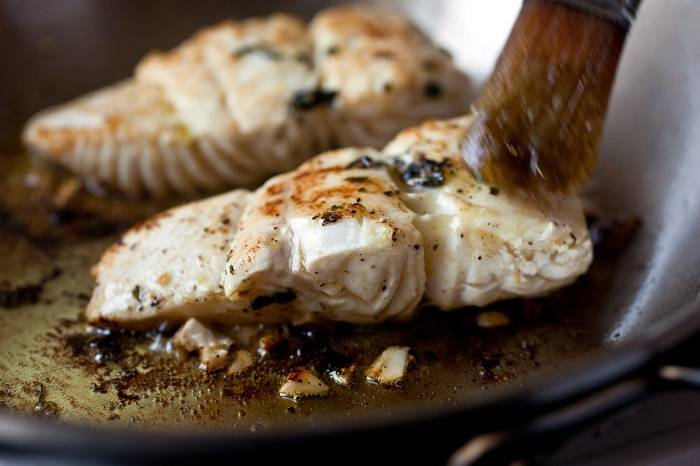
Before diving into cooking techniques, it’s important to understand what makes halibut a unique and desirable fish. Halibut is a flatfish found in both the North Atlantic and North Pacific oceans. It is known for its firm, meaty texture and mild, slightly sweet flavor. These characteristics make halibut an excellent choice for various cooking methods, as it holds up well to different preparations and flavors.
Halibut is also a low-fat, high-protein fish, making it a healthy option for those looking to include more seafood in their diet. It is rich in essential nutrients like omega-3 fatty acids, vitamins B6 and B12, and minerals such as magnesium and potassium.
Factors That Affect Cooking Time
Several factors can influence how long it takes to cook halibut. Understanding these factors will help you adjust your cooking time and ensure the fish is cooked to perfection.
Thickness of the Fillet
The thickness of the halibut fillet is one of the most significant factors affecting cooking time. Thicker fillets will require more time to cook through than thinner ones. A general rule of thumb is to cook fish for about 10 minutes per inch of thickness, but this can vary depending on the cooking method and temperature.
Cooking Method
Different cooking methods require different cooking times. For example, grilling halibut will take less time than baking it in the oven. The method you choose will also affect the texture and flavor of the fish.
Temperature
The cooking temperature plays a crucial role in determining how long it takes to cook halibut. Higher temperatures will cook the fish faster, but there is a risk of overcooking and drying it out. Lower temperatures will take longer but can result in a more tender and evenly cooked fillet.
Starting Temperature
Whether the halibut is cooked straight from the refrigerator or allowed to come to room temperature before cooking can also impact cooking time. Fish that starts at room temperature will cook faster than fish taken directly from the fridge.
Bone-In vs. Boneless
Bone-in halibut fillets may take slightly longer to cook than boneless fillets. The bone can act as a heat barrier, requiring additional time to ensure the fish is cooked through.
Cooking Methods and Times for Halibut
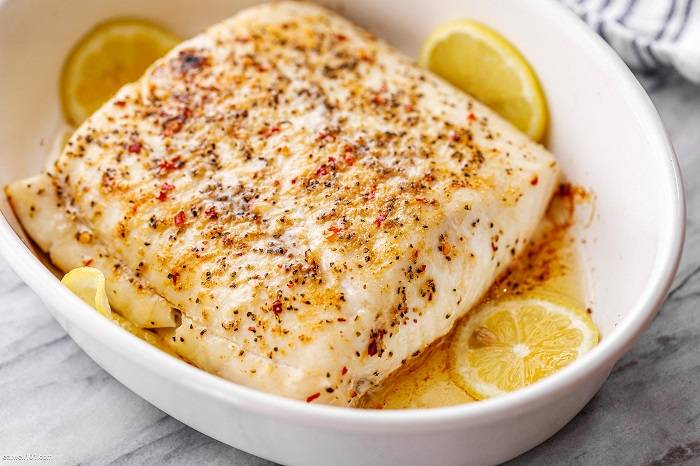
Now that we’ve covered the factors that affect cooking time, let’s explore different cooking methods and how long to cook halibut using each technique.
Baking Halibut
Baking is one of the most common methods for cooking halibut. It is a simple and hands-off approach that allows the fish to cook evenly.
How to Bake Halibut:
- Preheat your oven to 400°F (200°C).
- Place the halibut fillets on a baking sheet lined with parchment paper or lightly greased with oil.
- Season the fillets with salt, pepper, and any other desired seasonings, such as lemon zest, garlic, or fresh herbs.
- Bake the halibut in the preheated oven for 10 to 15 minutes, depending on the thickness of the fillet. A 1-inch thick fillet typically takes about 12 minutes to cook.
- The halibut is done when it flakes easily with a fork and reaches an internal temperature of 135°F to 140°F (57°C to 60°C).
Grilling Halibut
Grilling is a great way to cook halibut, especially during the summer months. The high heat of the grill gives the fish a nice char while keeping it moist and flavorful.
How to Grill Halibut:
- Preheat your grill to medium-high heat (about 375°F to 400°F or 190°C to 200°C).
- Brush the halibut fillets with oil to prevent sticking and season with salt, pepper, and other desired spices.
- Place the fillets on the grill, skin-side down if applicable, and cook for 4 to 5 minutes per side, depending on the thickness.
- Grill the halibut until the flesh is opaque and flakes easily with a fork. The internal temperature should reach 135°F to 140°F (57°C to 60°C).
Pan-Seared Halibut
Pan-searing halibut is a quick and easy method that results in a beautifully browned exterior and tender, moist interior.
How to Pan-Sear Halibut:
- Heat a skillet over medium-high heat and add a tablespoon of oil or butter.
- Season the halibut fillets with salt, pepper, and any other desired seasonings.
- Place the fillets in the hot skillet and cook for 3 to 4 minutes on each side, depending on thickness.
- The halibut is done when the exterior is golden brown, and the flesh flakes easily with a fork. The internal temperature should be 135°F to 140°F (57°C to 60°C).
Poaching Halibut
Poaching is a gentle cooking method that involves simmering the fish in liquid. It’s a great way to cook halibut if you want to preserve its delicate flavor and keep it moist.
How to Poach Halibut:
- In a large, shallow pan, bring a mixture of water, broth, or wine to a simmer. You can add aromatics like garlic, lemon, and herbs for added flavor.
- Gently lower the halibut fillets into the simmering liquid.
- Poach the fillets for 8 to 10 minutes, depending on thickness, or until the fish is opaque and flakes easily with a fork.
- The internal temperature of the poached halibut should reach 135°F to 140°F (57°C to 60°C).
Broiling Halibut
Broiling is similar to grilling but uses the high heat of the oven’s broiler to cook the fish quickly. This method is great for achieving a crispy exterior.
How to Broil Halibut:
- Preheat your broiler and place the oven rack about 6 inches from the heat source.
- Place the halibut fillets on a broiler pan or baking sheet lined with foil.
- Brush the fillets with oil and season with salt, pepper, and other spices.
- Broil the halibut for 5 to 6 minutes per side, depending on thickness.
- The halibut is done when the flesh is opaque, slightly charred, and flakes easily with a fork. The internal temperature should be 135°F to 140°F (57°C to 60°C).
Tips for Perfectly Cooked Halibut
Achieving perfectly cooked halibut every time requires a few key tips and tricks. Here are some suggestions to help you master the art of cooking halibut:
Use a Meat Thermometer
A meat thermometer is an essential tool for cooking halibut. It allows you to check the internal temperature of the fish without cutting into it, ensuring it’s cooked to the right level of doneness. Aim for an internal temperature of 135°F to 140°F (57°C to 60°C) for perfectly cooked halibut.
Don’t Overcook the Fish
Halibut is a lean fish, which means it can easily become dry if overcooked. Keep a close eye on the cooking time and remove the fish from the heat as soon as it reaches the desired temperature. Remember that the fish will continue to cook slightly after it’s removed from the heat, so it’s better to err on the side of caution.
Let the Fish Rest
Just like with meat, allowing halibut to rest for a few minutes after cooking helps the juices redistribute throughout the fish. This resting period ensures a moist, flavorful fillet.
Season Simply
Halibut has a mild, delicate flavor that pairs well with a variety of seasonings, but it’s important not to overpower the fish. Simple seasonings like salt, pepper, lemon, and fresh herbs are often all you need to enhance the natural taste of halibut.
Consider the Cooking Method
Choose the cooking method that best suits your preferences and the dish you’re preparing. For example, grilling or broiling is great for a quick, flavorful meal, while poaching is ideal for preserving the fish’s delicate texture.
Keep an Eye on Thickness
Always consider the thickness of the halibut fillet when determining cooking time. Thicker fillets will take longer to cook, while thinner fillets will cook more quickly. Adjust your cooking time accordingly to avoid overcooking.
Serving Suggestions for Halibut
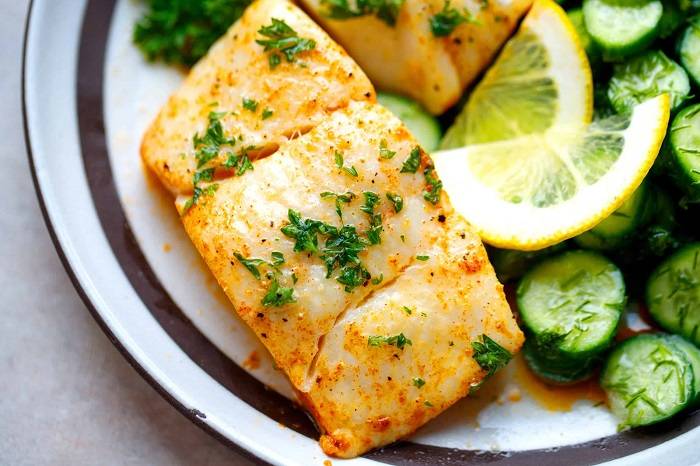
Halibut is a versatile fish that pairs well with a wide range of side dishes and flavors. Here are some serving suggestions to complement your perfectly cooked halibut:
Lemon Butter Sauce
A simple lemon butter sauce made with melted butter, fresh lemon juice, and chopped parsley is a classic accompaniment to halibut. The tangy, buttery sauce enhances the fish’s flavor without overpowering it.
Roasted Vegetables
Roasted vegetables like asparagus, Brussels sprouts, or baby carrots make a delicious and healthy side dish for halibut. The earthy flavors of the vegetables contrast nicely with the mild taste of the fish.
Rice or Quinoa
A bed of rice or quinoa provides a neutral base that allows the flavors of the halibut to shine. Consider adding fresh herbs, citrus zest, or a drizzle of olive oil to the grains for added flavor.
Fresh Salad
A light, refreshing salad with mixed greens, cherry tomatoes, cucumbers, and a citrus vinaigrette is the perfect complement to halibut. The acidity of the dressing cuts through the richness of the fish.
Grilled or Sautéed Greens
Grilled or sautéed greens like spinach, kale, or Swiss chard add a burst of color and nutrition to your plate. Season the greens with garlic, olive oil, and a squeeze of lemon for a simple yet flavorful side.
Couscous or Bulgur
Couscous or bulgur are quick-cooking grains that pair well with halibut. Add chopped vegetables, herbs, and a light dressing to create a flavorful side dish.
Related Post:
Exploring the Exciting Football Game Options on Our Website
Exploring the Exciting Football Games Offered on Our website
The Allure of High Stakes Gaming
Cooking halibut to perfection requires understanding the right cooking times and methods, as well as paying attention to factors like thickness, temperature, and seasoning. Whether you’re baking, grilling, pan-searing, poaching, or broiling, following the guidelines in this comprehensive guide will help you achieve moist, flavorful halibut every time.
Remember to use a meat thermometer to check for doneness, avoid overcooking, and let the fish rest before serving. With these tips and techniques, you’ll be able to confidently prepare halibut that’s sure to impress your family and friends. Enjoy experimenting with different seasonings and side dishes to create delicious meals centered around this versatile and nutritious fish.