

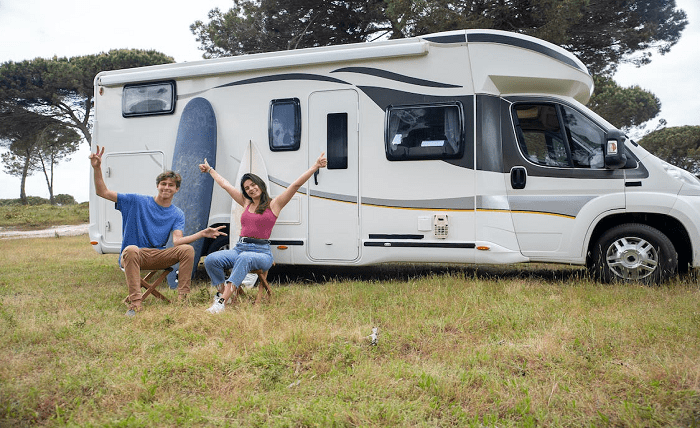
Are you considering buying a used RV? Whether you’re a seasoned RVer or a first-time buyer, one of the most crucial steps in the purchasing process is performing a VIN (Vehicle Identification Number) lookup. A VIN lookup can provide you with valuable information about the RV’s history and condition, helping you make an informed decision and potentially saving you from expensive surprises down the road.
What Is a VIN?
A Vehicle Identification Number (VIN) is a unique code assigned to every motor vehicle, including RVs. This alphanumeric code typically consists of 17 characters and serves as a fingerprint for the vehicle. No two vehicles have the same VIN, making it an essential tool for identifying and tracking them.
Why Is a VIN Lookup Important When Buying a Used RV?
1. Vehicle History
An RV lookup by VIN can reveal a wealth of information about the RV’s history. You can find out if the RV has been involved in accidents, floods, or other disasters. It can also disclose whether the RV has been stolen or salvaged. Knowing this information can help you avoid purchasing an RV with a troubled past that may have hidden damage.
2. Maintenance and Service Records
By checking the VIN, you may access maintenance and service records associated with the RV. This can provide insight into how well the RV has been cared for and if it has received regular maintenance. A well-maintained RV is more likely to provide reliable performance and fewer surprises in the future.
3. Title and Ownership
A VIN lookup can confirm the RV’s title and ownership history. It ensures that the seller has clear and legal ownership rights to the vehicle, preventing potential legal complications for you as the buyer. It can also identify if the recreational vehicle has been used as collateral for a loan, which could affect the buying process.
4. Recalls and Safety Concerns
Checking the VIN can help you identify any recalls or safety concerns related to the recreational vehicle. Manufacturers regularly issue recalls for RVs due to safety defects or performance issues. Knowing if an RV has any pending recalls allows you to address these concerns before finalizing the purchase.
5. Value Assessment
A VIN lookup can also help you assess the RV’s value more accurately. You can compare the information you gather from the lookup with the seller’s asking price to negotiate a fair deal. If the recreational vehicle has a problematic history or requires significant repairs, you can use this information to lower the purchase price or walk away from a potentially bad deal.

How to Perform a VIN Lookup
Performing a VIN lookup is a straightforward process. You can obtain the VIN from the seller, usually located on the RV’s dashboard or door frame. Once you have the VIN, you can use various online resources, such as the National Highway Traffic Safety Administration (NHTSA) or commercial lookup services, to retrieve the information you need.
In conclusion, when buying a used recreational vehicle, conducting a VIN lookup should be an integral part of your purchasing process. It empowers you with essential information about the RV’s history, condition, and value, allowing you to make a well-informed decision. Skipping this step may expose you to unnecessary risks and expenses in the long run. So, before you hit the road in your new-to-you recreational vehicle, make sure to perform a lookup and enjoy your RVing adventures with peace of mind.