

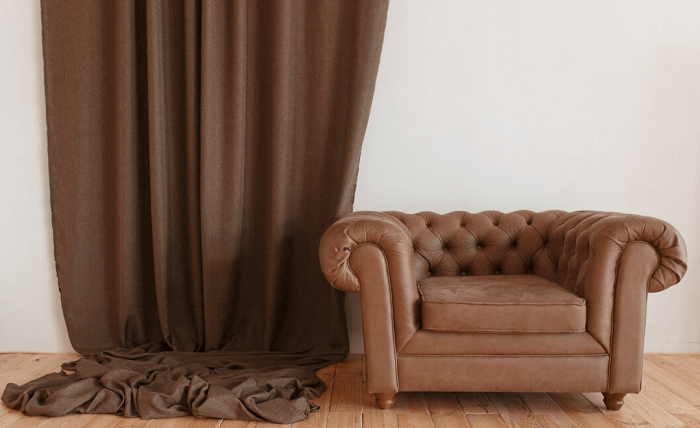
When we consider the luxurious world of home theater seating, the journey from traditional leather to contemporary linen offers a fascinating exploration into both aesthetics and functionality. This article delves into the heart of what makes each material unique, and how these choices resonate with the overall experience of a home theater enthusiast.
Leather, with its timeless appeal, represents luxury and durability, while linen, a more recent contender in the theater seating market, offers breathability and a modern twist. But the question remains: how do these materials impact your home theater experience, and what should you consider when choosing between them?
The Evolution of Home Theater Seating Materials:
The journey of home theater seating materials is a tale of evolving styles and preferences. Historically, leather stood as the epitome of luxury, often associated with the grand movie palaces of the past. Its durability and classic appeal made it a staple in high-end home theaters.
However, as design trends evolved, materials like linen began to emerge, offering a fresh and modern alternative. Linen brings a casual elegance, often appealing to those seeking a contemporary and less formal aesthetic.
This transition from traditional to contemporary reflects a broader shift in home theater design, one that embraces diverse tastes and lifestyles.
Leather Seating: The Timeless Choice:
When we talk about the classic choice for home theater seating, leather stands out prominently. Brands like Valencia Home Theater Seating have exemplified how leather can be both luxurious and practical.
It’s not just about the premium feel; leather’s durability makes it ideal for a setting where comfort and longevity are paramount. Maintenance, while important, is straightforward, ensuring that your seating remains a centerpiece for years.
Linen Seating: Modern and Airy
On the other end of the spectrum is linen, a material that has gained popularity for its lightweight and breathable qualities. Perfect for a more relaxed and modern home theater setup, linen offers a different kind of comfort.
It’s particularly suitable for warmer climates or for those who prefer a more casual, inviting ambiance in their entertainment space.
Comparing Leather and Linen:
The choice between leather and linen in home theater seating is more than a matter of taste; it’s about finding the right balance for your specific needs.
Leather, as offered by brands like Valencia Home Theater Seating, brings a sense of timeless elegance and is renowned for its durability and ease of cleaning. It’s ideal for those who value tradition and long-lasting quality.
Linen, in contrast, offers a softer touch and a more contemporary look. Its breathability makes it an excellent choice for extended viewing sessions, especially in warmer environments. However, it may require more careful maintenance to retain its fresh appearance.
When comparing these materials, consider factors like durability, comfort, maintenance, and aesthetic impact. Each material has its unique advantages, and your choice will significantly influence the overall style and feel of your home theater.
Exploring Beyond Leather and Linen:
While leather and linen are popular choices, the world of home theater seating materials is vast. Materials like velvet and microfiber also offer unique benefits:
- Velvet: Known for its luxurious texture, velvet adds a touch of opulence to any home theater. It’s soft to the touch and comes in a variety of rich colors, making it a popular choice for those looking to make a bold style statement.
- Microfiber: For those seeking a blend of durability and comfort, microfiber is an excellent choice. It’s easy to clean, resistant to staining, and provides a cozy seating experience, perfect for long movie marathons.
Technical Considerations:
When selecting materials for home theater seating, it’s crucial to consider their impact on the theater’s overall acoustic performance. Certain materials can enhance sound quality by absorbing excess sound, thereby reducing echoes and reverberations.
- Leather: Often preferred for its dense and smooth surface, leather can reflect sound, contributing to a more immersive audio experience.
- Linen and Other Fabrics: Materials like linen tend to absorb sound, which can help in dampening ambient noise and improving the clarity of dialogue and music.
Sustainability is another key factor. Eco-friendly options are increasingly popular, with more consumers looking for materials that are both durable and environmentally responsible.