

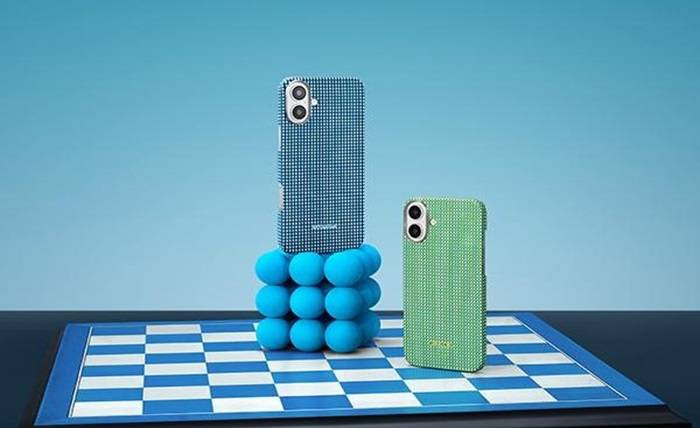
The sleek, pristine look of a brand-new phone case is one of the many things that draws users to them. Whether it’s a crystal-clear case designed to show off the aesthetics of a smartphone or a simple, light-colored protective shell, the idea is to maintain that new, clean appearance for as long as possible.
However, for many phone users, an unpleasant reality sets in after just a few months: their once-beautiful case starts turning yellow.
PITAKA Phone Cases
The Science Behind Yellowing Phone Cases
Most phone cases, especially the transparent or clear ones, are made from materials like thermoplastic polyurethane (TPU) and silicone. Both materials are valued for their flexibility, durability, and their ability to provide a snug fit around the phone. However, they are also prone to oxidation and discoloration over time.
1. Oxidation of TPU
TPU is a popular material for clear phone cases because of its clarity, flexibility, and resistance to scratches. However, TPU is not immune to the effects of oxygen exposure. When TPU comes into contact with air, a chemical process called oxidation occurs. Over time, oxidation can lead to the yellowing of the material. This is particularly noticeable in clear cases, where any change in color is instantly visible.
2. UV Light Exposure
Sunlight is another major culprit when it comes to the yellowing of phone cases. Ultraviolet (UV) light, which is a component of sunlight, can accelerate the oxidation process of both TPU and silicone. UV rays break down the molecular structure of these materials, resulting in discoloration. As a phone is often exposed to sunlight when used outdoors, this exposure becomes a constant threat to the phone case’s original color.
Even indoor lighting, such as fluorescent lights, emits some UV radiation that can contribute to this issue over time, although the effect is usually slower compared to direct sunlight exposure.
3. Heat and Temperature Fluctuations
Heat, whether from direct sunlight or the natural warmth generated by phone usage, can also play a role in turning phone cases yellow. Heat speeds up the breakdown of polymers, accelerating both the oxidation process and the material’s degradation. Additionally, cases exposed to significant temperature changes—such as being left in a hot car or being subjected to fluctuating environments—tend to yellow faster.
4. Environmental Pollutants and Chemical Reactions
Your phone case’s exposure to environmental pollutants can also cause discoloration. Chemicals from air pollution, smoke, oils, or even everyday household cleaning products can interact with the materials in the phone case. For example, nitrogen dioxide found in smoggy environments can react with TPU and silicone, leading to the unsightly yellow hue.
Another factor is skin oils and sweat. Our hands contain natural oils and sweat that can, over time, transfer to the case, reacting with the materials and contributing to yellowing. This is especially common in silicone cases, which tend to absorb oils more readily than TPU.
Which Phone Cases Are More Prone to Yellowing?
Not all phone cases are created equal when it comes to susceptibility to yellowing. Clear cases made from TPU and silicone are the most affected. Let’s take a closer look at these materials:
TPU (Thermoplastic Polyurethane)
As previously mentioned, TPU is commonly used in clear phone cases due to its combination of flexibility, durability, and transparency. Unfortunately, TPU’s molecular structure makes it more vulnerable to oxidation, especially when exposed to heat, UV light, and chemicals. This is why TPU cases are notorious for turning yellow relatively quickly.
Silicone
Silicone, another popular material for phone cases, is less transparent than TPU but still prone to yellowing. Silicone cases often feel soft and rubbery to the touch, making them comfortable to hold. However, they tend to absorb oils from your skin, which can cause discoloration over time. Additionally, like TPU, silicone cases can undergo chemical changes when exposed to UV light and heat, leading to yellowing.
Polycarbonate
Polycarbonate cases, which are rigid and often used in combination with TPU for hybrid cases, are less prone to yellowing compared to TPU or silicone cases. While polycarbonate does not offer the same level of flexibility, it is generally more resistant to environmental factors that cause yellowing.
How to Prevent Your Phone Case from Turning Yellow
While the yellowing of phone cases is often inevitable over time, there are ways to slow down the process and extend the life of your case. Here are some practical tips for preventing or minimizing yellowing:
1. Keep Your Case Clean
Regular cleaning can help reduce the accumulation of oils, dirt, and pollutants that contribute to discoloration. Use a mild soap solution and a soft cloth to gently wipe down your phone case every couple of weeks. Avoid using harsh chemicals, as they may cause further damage to the material. For deeper cleaning, a mixture of baking soda and water can help lift stubborn stains.
2. Avoid Prolonged Sunlight Exposure
Minimizing your phone case’s exposure to direct sunlight will slow down the yellowing process caused by UV light. When outdoors, try to keep your phone in the shade or inside a bag. Additionally, avoid leaving your phone in a hot car or other environments where it may be exposed to excessive heat.
3. Store Your Phone in a Cool, Dry Place
When you’re not using your phone, store it in a cool, dry environment. Avoid placing your phone in humid areas or near sources of heat, as these factors can accelerate the yellowing process.
4. Choose Alternative Materials
If you’re particularly concerned about yellowing, consider switching to phone cases made from materials that are less prone to discoloration. Cases made from aramid fiber, a material that is strong yet light and offer excellent protection against scratches, chemicals, and discoloration. Aramid fiber cases like PITAKA’s are not only durable but also slim and light to preserve the sleekness of the phone.
Conclusion
The yellowing of phone cases, particularly those made from TPU and silicone, is a common issue that frustrates many users. The primary causes—oxidation, UV exposure, heat, and chemical reactions—are difficult to avoid in daily life. However, with proper care and by choosing the right materials, you can slow down this process and keep your phone case looking newer for longer.
While yellowing may be an inevitable outcome for certain cases, the key to prolonging their clarity lies in proactive maintenance and informed purchasing decisions. If a yellowing case is bothering you, consider these tips, and remember that with a little care, you can delay the process and enjoy your case for a much longer period.