

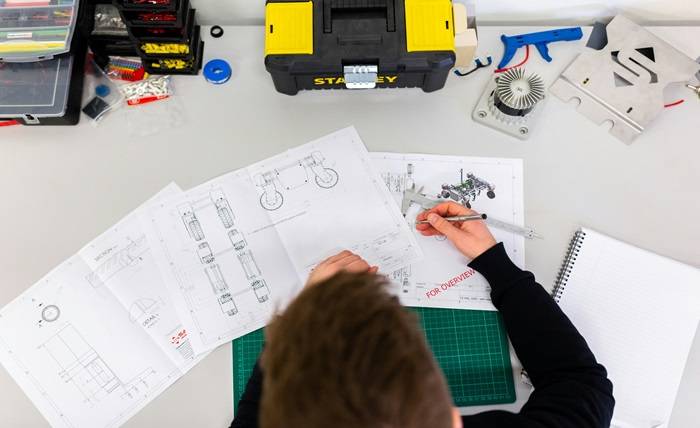
Prototypes are critical in manufacturing and are invaluable tools for designers, engineers, and manufacturers alike. They offer a tangible representation of a product concept, allowing stakeholders to evaluate its functionality, design, and performance before full-scale production begins.
Keep reading to learn, in more detail, why prototypes are important.
Testing and Validation
One of the primary reasons prototypes are essential is their role in testing and validation. By creating prototypes, manufacturers can assess the performance, durability, and functionality of a product in real-world conditions. This process allows for early detection of design flaws, technical issues, or potential manufacturing challenges, mitigating risks and minimizing costly rework later in the production cycle.
Through rigorous testing and validation, manufacturers can ensure that their products meet regulatory standards, industry requirements, and customer expectations. Prototypes also enable manufacturers to gather valuable feedback from end-users, stakeholders, and beta testers to identify areas for improvement and refinement.
Design Optimization
Another critical aspect of prototypes’ importance is how they help with design optimization. Prototypes provide a tangible representation of a product’s design, allowing designers and engineers to evaluate its aesthetics, ergonomics, and user experience. Through prototyping, manufacturers can explore alternative design concepts, materials, and manufacturing processes to identify the most efficient and cost-effective solutions. This approach to design enables manufacturers to refine and optimize their products to achieve optimal performance, functionality, and market appeal.
Prototypes also facilitate collaboration and communication among cross-functional teams, including designers, engineers, and stakeholders. By visualizing and interacting with physical prototypes, team members can provide valuable insights and feedback, driving informed decision-making and consensus-building.
Rapid Prototyping and Time-to-Market
Speed-to-market is crucial for manufacturers seeking to capitalize on emerging opportunities and stay ahead of competitors. Prototyping enables manufacturers to accelerate the product development process by quickly translating ideas into tangible prototypes for evaluation and testing.
Rapid prototyping technologies, such as 3D printing and computer-aided design (CAD), allow for the fast iteration of designs and the production of prototypes with minimal lead times. This agile approach to prototyping enables manufacturers to respond swiftly to market feedback, iterate on designs, and refine their products. Rapid prototyping reduces the time and cost associated with traditional prototyping methods, such as machining or molding, allowing manufacturers to iterate more frequently and efficiently.
Cost Reduction and Risk Mitigation
Prototyping helps to reduce costs and mitigate risks. By creating prototypes early in the product development process, manufacturers can identify and address potential design flaws, technical issues, or manufacturing challenges before investing significant resources in full-scale production. This proactive approach helps to minimize costly rework, delays, and quality issues downstream, saving time and resources in the long run. Prototypes allow manufacturers to assess the feasibility and viability of a product concept. This helps them reduce the risk of investing in products that may not meet market demand or regulatory requirements.
Cross-Industry Applications
Prototyping transcends industries, serving as a fundamental tool in the development of new products and technologies across various sectors. For instance, in the healthcare industry, prototypes are vital for the design and testing of medical devices, making sure they meet stringent safety and efficacy standards.
Automotive manufacturers leverage prototypes to refine vehicle design, enhance performance, and improve safety features, while in consumer electronics, rapid prototyping speeds up the innovation cycle, allowing for quicker iterations and feedback on devices such as smartphones and wearables.
Aerospace manufacturing relies on prototypes to validate design concepts and safeguard the performance and structural integrity of aircraft and spacecraft. This multidisciplinary application of prototypes underscores their importance in not just validating and testing, but also in fostering innovation, improving safety, and reducing time-to-market across diverse industries. By employing prototypes, sectors ranging from healthcare to aerospace can navigate the complex challenges of product development.
Conclusion
Prototypes are indispensable tools for manufacturers seeking to streamline their product development processes. With prototypes, manufacturers can deliver innovative, high-quality products to market quickly. Testing and validation, design optimization and iteration, rapid prototyping and time-to-market, cost reduction and risk mitigation, and industry applications are all compelling reasons why prototypes are essential for manufacturers.