

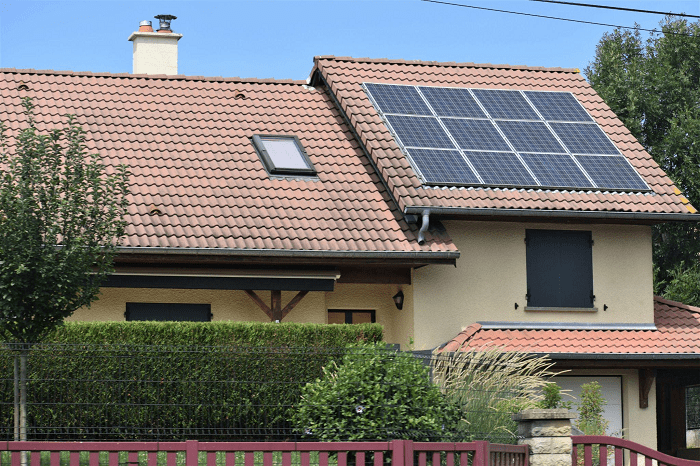
- A modern solar setup includes smart integration, battery storage, and real-time monitoring tools for better energy control.
- Choosing a reputable provider with a track record of innovation ensures long-term support and performance.
- Tech features like app-based monitoring and AI-driven energy management can optimize savings and efficiency.
- Planning for scalability and understanding installation and maintenance options will help future-proof your investment.
Solar power has come a long way from bulky panels and unpredictable outputs. Today, it’s sleek, efficient, and smart enough to run your home on autopilot practically. But with so many new options hitting the market, figuring out which solar setup delivers can feel overwhelming, notes Vesta Home Energy experts.
A modern solar system is more than just a few panels on your roof. It’s a connected energy solution that balances performance, reliability, and long-term value. Whether building a new home or upgrading your existing energy system, knowing what features to prioritize will save you time, money, and future headaches.
This guide explains what to look for in a solar setup built for today and tomorrow. From system components and tech integrations to finding the right provider, we’ll help you sort through the noise and make a smarter energy choice.
Core Components That Define a Modern Solar Setup
Let’s start with the basics, but through a modern lens.
The traditional solar setup included panels, an inverter, and a monitoring display. Today, those core components have evolved into a tightly integrated ecosystem that not only powers your home but adapts to your habits. High-efficiency photovoltaic panels are just the beginning. What matters just as much now is what’s behind them: more innovative inverters, intelligent battery storage, and seamless system monitoring.
Modern inverters aren’t just silent workhorses converting sunlight to usable power. The latest models have hybrid features that manage direct consumption and battery storage with near real-time adjustments. This means you automatically use more of your own power and less from the grid.
Then there’s battery storage. While optional a few years ago, it’s quickly becoming a must-have for anyone serious about energy independence. Lithium-ion batteries are more compact, safer, and have longer lifespans than their older counterparts. And they let you store extra power for night use or during outages, giving you a reliable backup when it counts.
Finally, real-time monitoring has shifted from niche to necessity. Today’s systems let you track your production and consumption via mobile apps, with detailed performance breakdowns. Want to know if your laundry routine is draining energy? Or are your panels underperforming this week? The data is right there in your pocket.
In short, a modern solar setup is less about individual parts and more about how those parts work together. And when they’re appropriately integrated, they make your entire home more efficient and innovative.
Choosing the Right Provider for Quality and Long-Term Value
Not all solar systems are created equal, and neither are the companies behind them.
The hardware might grab your attention, but it’s the provider that truly shapes your experience. From the quality of installation to customer service and ongoing support, the right company can make the difference between a frustrating setup and one that runs smoothly for decades.
When considering a provider, reputation is everything. Look for companies with a solid track record, transparent warranties, and a commitment to innovation. It’s not just about who sells the flashiest tech—it’s about who’s likely to be around in ten or twenty years to support it.
That’s why many homeowners are turning to established industry names, such as working with Sungrow. Known for their strong focus on quality and scalable solar solutions, they offer systems that meet current needs and anticipate future demands. Their inverters and energy storage systems are especially well-regarded for performance and durability, which should be non-negotiable in any long-term solar investment.
It’s also smart to assess the support options available. Does the company offer monitoring tools? What’s their response time for maintenance issues? Can they help you expand your system if your energy needs grow?
Choosing a reliable provider gives you peace of mind and ensures your solar investment keeps paying off year after year.
Smart Tech Integration and Energy Management
A solar power system isn’t just about generating electricity anymore—it’s about how smartly that energy gets used. Today’s leading setups come with features that put you in complete control of your energy profile, often with little more than a tap on your phone.
One of the most significant shifts in recent years has been the integration of solar with smart home systems. Whether syncing with your thermostat to optimize heating schedules or timing your EV charging for off-peak hours, a well-integrated system works with your daily rhythm, not against it. These systems don’t just power your home—they learn how you use power and make intelligent adjustments to help you save more.
Many setups now offer AI-assisted energy management. These tools analyze your usage habits and local weather patterns to predict energy needs and maximize efficiency. Over time, they’ll even suggest tweaks—like adjusting appliance schedules or temporarily drawing from your battery—to help reduce your reliance on the grid.
Real-time app-based monitoring is another game-changer. It offers a window into your system’s performance, down to individual appliances or time of day. You can see how much power you’re producing, how much you’re storing, and where it’s going—all in one dashboard. Some apps even allow remote control of your system, meaning you can adjust your energy usage on the fly if you’re traveling or working late.
These innovative features may seem like extras, but they quickly become essentials. They help you squeeze the most value from your system and make managing your energy effortless.
Installation, Maintenance, and Scalability Considerations
Even the most advanced solar setup can fail if it’s not installed properly or built with future needs in mind. Installation isn’t just about placing panels on your roof—it’s about designing a system that precisely fits your property, budget, and energy goals.
Start by checking what’s included in your installation quote. Some providers combine system design, permitting, installation, and monitoring into one package, while others don’t. Clarity here helps you avoid surprises later. Also, ask about the installer’s certifications and how experienced they are with the specific system you choose. A top-tier product installed poorly won’t perform the way it should.
Maintenance is another piece of the puzzle. Fortunately, modern systems require less upkeep than ever, but that doesn’t mean they’re completely hands-off. Ask your provider how they handle service calls and whether system health checks are included in your plan. Remote diagnostics can catch minor issues before they turn into expensive ones.
Then there’s scalability. Maybe you’re powering a modest home now, but what if you add an EV to the mix next year, or a home office that needs climate control? A future-ready solar setup should be easy to expand, whether adding more panels, upgrading your inverter, or expanding your battery capacity.
Planning with scalability in mind not only future-proofs your system but also protects your investment. And it’s easier to build in that flexibility now than to retrofit it later.
Making the Decision With Confidence
Once you’ve got a handle on the features and providers, it’s time to bring it together and decide. But before signing any contracts, a few final steps can help you confidently move forward.
Start with a checklist of questions. Ask potential providers about system warranties—not just for the panels but also for inverters and batteries. Clarify what’s covered, for how long, and what support looks like if something goes wrong. Also, dig into performance guarantees. A good provider will offer some assurance on how much power your system is expected to produce over time.
Don’t hesitate to ask for references or case studies from previous clients, especially those with homes or businesses similar to yours. Real-world experience from someone in a comparable situation can give you insights that a glossy brochure can’t.
Be cautious of setups that seem too good to be true. Red flags are deep discounts, vague performance claims, or unclear installation timelines. Transparency should be non-negotiable—if a provider can’t explain how their system works or where their components come from, move on.
Ultimately, the best solar setup is one that fits your energy goals, budget, and future. When you find that balance, you’re not just buying technology—you’re investing in control, sustainability, and long-term peace of mind.
Conclusion
As solar technology continues to evolve, so do your options. A truly modern solar setup isn’t just about harnessing energy from the sun—it’s about using that energy in more innovative, more efficient ways. Every decision you make from advanced system components to smart integration and reliable providers impacts how well your system performs and how much value you get from it.
Understanding what sets a modern setup apart can mean the difference between a short-term solution and a system that powers your lifestyle for decades. So as you explore your options, stay focused on quality, flexibility, and future-ready features. Your energy choices today shape how you live tomorrow.