

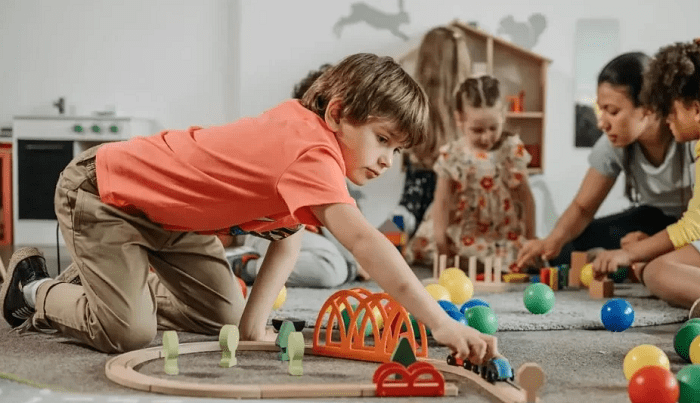
Play is an essential part of childhood. It nurtures creativity, teaches social skills, and fosters emotional growth. Among the many tools for encouraging development, toys like newborn baby dolls hold a special place in helping children explore nurturing behaviors and understand family dynamics.
Understanding the Role of Play in Early Childhood
How Play Shapes Learning
Play isn’t just fun; it’s a vital learning process for young children. Through play, kids develop cognitive abilities, fine motor skills, and problem-solving capabilities. When children engage in imaginative play, they practice thinking outside the box and learn to express themselves.
Types of Play That Enhance Development
There are various types of play that contribute to a child’s growth:
- Physical Play: Activities that involve movement, like running or climbing, support gross motor skills.
- Constructive Play: Using blocks or puzzles to build helps with spatial awareness and hand-eye coordination.
- Imaginative Play: Pretending to be someone else, such as a parent or teacher, promotes social skills and empathy.
One popular form of imaginative play involves Newborn Baby Dolls, which provide children with a tangible way to practice caregiving roles and build emotional intelligence.
Benefits of Imaginative Play with Dolls
Developing Empathy and Nurturing Skills
When children care for dolls, they mimic real-life interactions. This can help them understand emotions such as love, responsibility, and compassion. Pretending to feed, dress, or soothe a doll encourages patience and attentiveness.
Language and Communication Growth
Playing with dolls often involves talking — either to the doll or other children. This dialogue helps kids practice vocabulary, sentence structure, and storytelling. It’s a natural way to improve language skills outside of formal settings.
Enhancing Social Interaction
Doll play is often a social activity. Children share, negotiate roles, and cooperate, building teamwork skills. It’s a gentle way to navigate social rules and expectations, setting the stage for healthy friendships.
How to Encourage Productive Playtime
Creating a Stimulating Environment
Setting up a play area with diverse toys and materials invites creativity. Include items like dolls, play kitchens, and dress-up clothes to inspire different scenarios. Keeping the space organized and accessible encourages independent play.
Introducing Role-Playing Games
Role-playing games can be simple but highly effective. For example, acting out a day at the doctor’s office or a family dinner helps children understand everyday routines and social roles. Newborn Baby Dolls are perfect companions for such games, bringing realism and emotional depth.
Balancing Screen Time and Hands-On Play
In today’s digital age, balancing screen time with physical and imaginative play is crucial. Hands-on activities support sensory experiences and fine motor development in ways that screens can’t replicate.
Fun and Educational Activities for Families
Crafting and Creative Projects
Engage children in crafting projects that complement their playtime. Making simple doll clothes or building dollhouses out of recycled materials fosters creativity and fine motor skills. These activities also provide valuable bonding time for families.
Outdoor Exploration
Outdoor play supports physical health and curiosity about the natural world. Activities like nature walks, scavenger hunts, or gardening teach children about their environment and promote physical exercise.
Reading Together
Storytime nurtures imagination and language development. Reading books related to family life, friendships, and caring can tie into the themes children explore when playing with dolls.
Practical Tips for Parents and Educators
Encouraging Independent Play
While guided play is important, giving children opportunities to play independently builds confidence and decision-making skills. Provide safe, engaging toys and allow kids to direct their own playtime.
Selecting Age-Appropriate Toys
Choosing toys that match a child’s developmental stage maximizes learning benefits. For instance, newborn baby dolls are great for toddlers and preschoolers, offering a realistic, relatable way to engage in nurturing play.
Observing and Joining In
Parents and educators should observe children during play to understand their interests and developmental needs. Joining in occasionally can model social behaviors and deepen the learning experience.
Lists of Related Play and Learning Tools
List 1: Must-Have Toys for Early Childhood Development
- Building blocks and stacking toys
- Newborn Baby Dolls for nurturing play
- Art supplies like crayons and finger paints
- Simple puzzles for problem-solving
- Musical instruments for auditory skills
List 2: Activities to Boost Social Skills in Young Children
- Group storytelling and puppet shows
- Cooperative board games
- Role-playing everyday scenarios
- Playing with siblings or friends
- Participating in community playgroups
By incorporating these tools and activities, parents can create a balanced and enriching environment that supports all areas of development.
For anyone interested in exploring the benefits of nurturing play further, Newborn Baby Dolls offer a wonderful way to encourage empathy and social skills. These dolls serve not only as toys but as educational tools that help children understand family dynamics and develop emotional intelligence.
Discover more about how these dolls can be integrated into child development programs and home play setups by visiting the page above.