

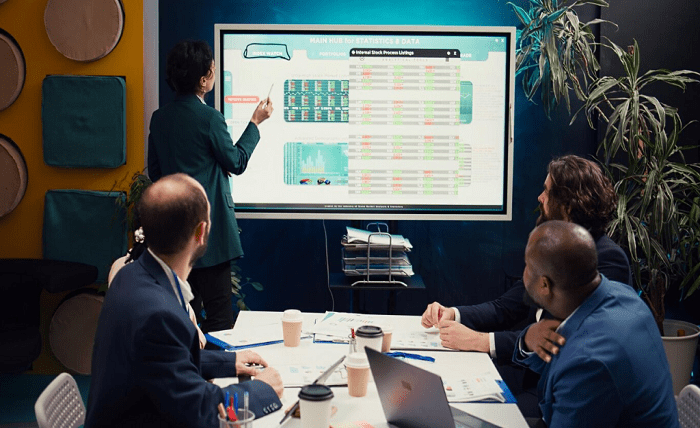
Have you ever wondered how the layout of a workplace influences productivity? Seating arrangements play a significant role in fostering collaboration, maintaining order, and ensuring comfort. Businesses often struggle to create a setup that aligns with both employee needs and organizational goals.
This is where enterprise seating chart software becomes essential. These tools simplify planning by streamlining the process of organizing workspaces, helping businesses maximize efficiency while meeting diverse requirements. The advantages of such solutions extend far beyond basic arrangement.
1. Organizing Workspaces with Ease
An effective tool for seating arrangements ensures that planning becomes hassle-free. Manual methods are prone to errors and inefficiencies, especially in large offices where changes occur frequently. Using advanced features, administrators can assign and reassign seats with just a few clicks. These tools often include drag-and-drop functionality, making real-time adjustments easier than ever. This level of precision saves time and reduces errors significantly.
2. Improving Team Synergy
The physical arrangement of a workspace directly impacts how teams interact. Strategically grouping employees based on their roles can improve communication and enhance workflow. Tools for seating planning allow administrators to visualize layouts and experiment with configurations that foster teamwork. This thoughtful arrangement ensures that departments can collaborate seamlessly without unnecessary disruptions.
3. Making the Most of Office Layouts
Making the most of available square footage is a priority for any organization. Poorly utilized space leads to overcrowding or underutilization, both of which hinder productivity. Seating solutions help identify underused areas and optimize them for better functionality. By analyzing usage patterns, businesses can ensure every inch of the office contributes to its overall efficiency. This results in a balanced layout that supports both comfort and productivity.
4. Preparing for Workforce Changes
As businesses expand, seating arrangements often need to change. Tools designed for enterprise needs offer the flexibility to accommodate such growth without starting from scratch. This adaptability ensures that organizations remain agile and prepared for change. Some of the examples are:
- Add new employees to existing teams seamlessly.
- Adjust layouts to meet new project requirements.
- Incorporate flexible seating options for hybrid work models.
5. Tracking and Allocating Resources Effectively
Effective seating solutions go beyond just placement—they also provide insights into resource usage. Administrators can track who occupies which desk, how frequently spaces are used, and where improvements are needed. Such data-driven insights support better decisions regarding space allocation, helping organizations stay proactive. This not only improves operational efficiency but also minimizes unnecessary expenses.
6. Creating Employee-Friendly Environments
Comfortable work environments contribute significantly to employee satisfaction. Poor seating arrangements can lead to frustration, decreased morale, and even physical discomfort. Seating tools make it easier to cater to individual preferences, such as ergonomic seating or proximity to specific amenities. This personalized approach fosters a sense of inclusion and enhances overall well-being.
7. Facilitating Seamless Onboarding for New Employees
Welcoming new team members can be challenging without proper organization. A structured seating system simplifies onboarding by ensuring new hires have designated spaces and resources from day one. With clear visuals and automated assignments, managers can allocate seats quickly and effectively. This streamlined process helps new employees feel welcomed and prepared, boosting their confidence and productivity.
Enterprise seating chart software is a game-changer for organizations aiming to optimize their workspaces. By leveraging advanced tools, businesses can create layouts that enhance collaboration, maximize efficiency, and adapt to ever-changing needs. Investing in such solutions ensures that workplaces remain productive and harmonious in the long run.