

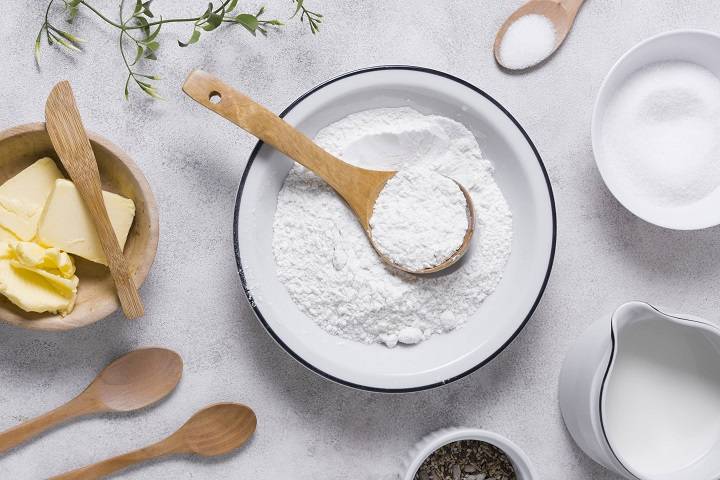
Tapioca flour, also known as tapioca starch, is a versatile ingredient used in various culinary applications, from baking to thickening sauces. However, it’s not always readily available or suitable for all dietary needs. Fortunately, there are several alternatives to tapioca flour that can be used as substitutes without compromising taste or texture. In this comprehensive guide, we’ll explore these alternatives, their properties, and how to use them effectively in your recipes.
What is Tapioca Flour?
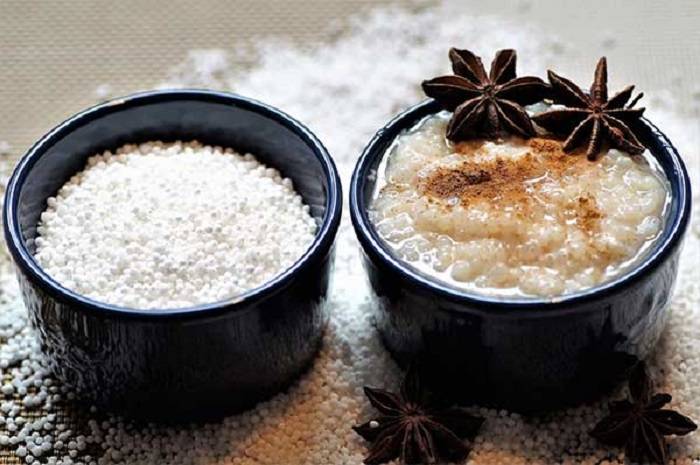
Tapioca flour is a starchy substance extracted from the cassava root, a tuber native to South America. It’s commonly used as a thickening agent in gluten-free baking and cooking due to its neutral flavor and ability to create a smooth texture.
Why Look for Substitutes?
While tapioca flour is widely used, there are several reasons why you might need a substitute:
Allergies or Dietary Restrictions: Some individuals may have allergies or dietary restrictions that prevent them from consuming tapioca flour.
Availability: Tapioca flour may not be readily available in all regions or stores.
Cost: Tapioca flour can sometimes be expensive compared to other alternatives.
Texture Preferences: Depending on the recipe, you may prefer a different texture or consistency provided by alternative flours.
Now, let’s explore some of the best tapioca flour substitutes:
Arrowroot Powder:
- Description: Arrowroot powder is derived from the rhizomes of the arrowroot plant. It has a neutral flavor and similar thickening properties to tapioca flour.
- How to Use: Substitute arrowroot powder for tapioca flour in a 1:1 ratio in recipes that require thickening, such as sauces, gravies, and puddings.
- Benefits: Arrowroot powder is easily digestible, making it suitable for individuals with sensitive stomachs. It also works well in recipes that require freezing, as it doesn’t break down when thawed.
Cornstarch:
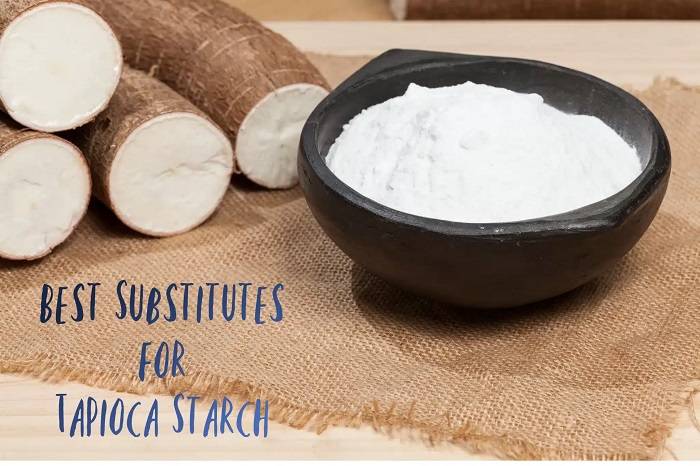
- Description: Cornstarch is a fine white powder made from the endosperm of corn kernels. It’s a common thickening agent in both sweet and savory dishes.
- How to Use: Replace tapioca flour with an equal amount of cornstarch in recipes. Keep in mind that cornstarch has a more pronounced flavor compared to tapioca flour, so adjust accordingly.
- Benefits: Cornstarch is widely available and inexpensive, making it a convenient alternative. It also produces a glossy finish when used as a thickener in sauces and fillings.
Potato Starch:
- Description: Potato starch is extracted from the starch potatoes and has a light, powdery texture. It’s often used as a thickening agent in soups, sauces, and baked goods.
- How to Use: Substitute potato starch for tapioca flour in a 1:1 ratio. Keep in mind that potato starch can impart a slightly earthy flavor to recipes.
- Benefits: Potato starch works well in high-heat applications, making it suitable for thickening sauces that require boiling. It also lends a light and fluffy texture to baked goods.
Cassava Flour:
- Description: Cassava flour is made from the whole cassava root, whereas tapioca flour is made from the extracted starch. It has a similar texture but may vary slightly in flavor.
- How to Use: Use cassava flour as a 1:1 replacement for tapioca flour in recipes. Keep in mind that cassava flour absorbs more moisture, so you may need to adjust the liquid content of your recipe.
- Benefits: Cassava flour is naturally gluten-free and paleo-friendly, making it suitable for a wide range of dietary needs. It also provides a similar chewy texture to baked goods as tapioca flour.
Rice Flour:
- Description: Rice flour is made from finely milled rice grains and comes in both white and brown varieties. It’s commonly used in gluten-free baking and as a thickening agent.
- How to Use: Substitute rice flour for tapioca flour in a 1:1 ratio. Keep in mind that rice flour can be slightly grittier in texture.
- Benefits: Rice flour is hypoallergenic and easily digestible, making it suitable for individuals with dietary restrictions. It’s also a good source of carbohydrates and essential nutrients.
Related Post:
Unveiling the Healthiest Flour Choices for Optimal Well-being
Creative and Delicious VBS Snack Ideas to Energize Your Young Congregation
While tapioca flour is a popular ingredient in gluten-free cooking, there are plenty of substitutes available for those with allergies, dietary restrictions, or simply seeking variety. Whether you opt for arrowroot powder, cornstarch, potato starch, cassava flour, or rice flour, each alternative offers its unique flavor and texture profile. Experimenting with these substitutes can open up a world of culinary possibilities, allowing you to create delicious dishes without compromising on taste or dietary needs.
Remember to adjust your recipes accordingly when using substitutes, as they may require slight modifications in terms of flavor, texture, or liquid content. With a bit of creativity and experimentation, you can achieve excellent results with tapioca flour alternatives in your favorite recipes. Happy cooking!