

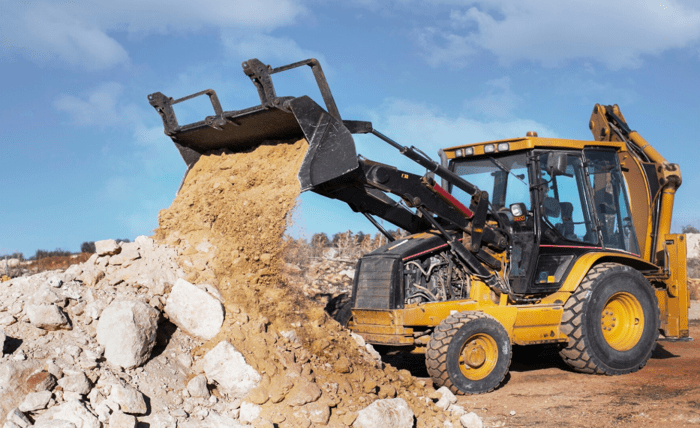
Demolition isn’t just about tearing down structures, it’s a calculated, highly strategic process that requires expertise, planning, and precision. Whether you’re clearing space for a new commercial development or renovating an old home, professional demolition services are the essential first step in bringing any construction vision to life. But what exactly happens when the professionals step in?
Below is a closer look at what to expect when hiring demolition experts, from preparation to cleanup and everything in between.
The First Step: Assessment and Planning
Site Inspection and Risk Evaluation
Before a single wall is touched, the demolition team conducts a detailed site assessment. This includes identifying any hazardous materials, such as asbestos or lead paint, checking the integrity of surrounding structures, and ensuring that utilities, including electricity and gas, are properly disconnected. Safety is paramount during this phase, and the planning ensures all legal, environmental, and structural considerations are addressed.
Permit Acquisition and Compliance
Demolition isn’t something you can start on a whim. Most projects require official permits, and professional services will typically handle this part for you. They ensure that all local laws and regulations are met, avoiding legal issues and ensuring the project doesn’t face unnecessary delays. From zoning restrictions to noise control, these professionals navigate the red tape so you don’t have to.
The Tools and Techniques Behind the Scenes
Selective vs. Total Demolition
Depending on the structure and the client’s goals, demolition may involve either selective or total removal. Selective demolition targets specific areas of a building ideal for renovations or expansions while total demolition clears the entire structure. Both require different tools and strategies, and professionals choose the right method based on the initial assessment.
Machinery and Manual Labor
Contrary to popular belief, demolition isn’t always about wrecking balls. In reality, professionals utilise a range of modern equipment, including excavators, hydraulic breakers, bulldozers, and even robotic demolition machines, for precision work in tight spaces. Manual labour also plays a critical role in delicate areas where machinery can’t safely operate.
Environmental Responsibility and Material Disposal
Recycling and Waste Management
A significant aspect of modern demolition services is environmental responsibility. Instead of simply dumping debris into landfills, reputable demolition crews prioritise recycling materials such as concrete, metal, wood, and brick. This not only reduces environmental impact but can also help lower costs.
Throughout the process, a professional website will often provide updates on progress, disposal schedules, and even recycling rates keeping clients informed and engaged. These platforms are great resources for understanding how materials are being handled responsibly throughout the project.
Hazardous Material Handling
Sometimes, older buildings contain hazardous substances such as asbestos, mould, or contaminated soil. Professional demolition teams are trained to handle and remove these materials safely and according to health regulations. This part of the process ensures that your property is safe for future construction and prevents risks to public health.
Safety Protocols and On-Site Management
Worker and Public Safety
Professional demolition services place an enormous emphasis on safety. Workers wear protective gear, follow strict procedural protocols, and operate within defined safety zones. Nearby residents and businesses are often notified in advance to minimise disruption and risk.
Dust suppression systems, noise barriers, and traffic redirection are often integral to the overall strategy for maintaining a safe and manageable environment. Expect thorough communication from your demolition team about any safety measures being implemented.
Real-Time Monitoring and Supervision
A professional crew will have site managers or supervisors on hand throughout the process. Their job is to oversee everything from machinery operation to emergency preparedness. Should anything go wrong, they are equipped to respond immediately adding an extra layer of protection for both workers and clients.
Final Cleanup and Site Preparation
Clearing the Rubble
Once the structure is brought down, the site still needs attention. Debris removal is a significant part of demolition services. This includes sorting recyclable materials, disposing of waste responsibly, and making sure the site is clean and level.
Cleanup isn’t an afterthought, it’s an integral part of the service. A clean, prepped site means builders can get started without delay, saving time and money in the long run.
Preparing for What Comes Next
After cleanup, many demolition providers offer additional services such as grading, soil compaction, or basic site preparation. These final touches ensure that the land is stable and ready for whatever comes next be it new construction, landscaping, or infrastructure installation.
Choosing the Right Team for the Job
Experience and Reputation Matter
Not all demolition teams are created equal. Look for professionals with a strong portfolio, the proper certifications, and a track record of safety and efficiency. Reading reviews, asking for references, and exploring their website can give you a clear picture of their capabilities and professionalism.
Transparent Communication and Clear Quotes
A trustworthy demolition provider will guide you through each stage of the process and provide a detailed quote outlining what is included. This helps you avoid surprise costs and sets expectations upfront.
Conclusion
Professional demolition services do more than knock things down; they pave the way for new beginnings. With the right team, proper planning, and a focus on safety and sustainability, demolition can be a seamless, efficient process that clears the path for exciting transformations.
When you break ground with a professional demolition crew, you’re not just destroying the past, you’re building the future. Whether you’re renovating, rebuilding, or reimagining, knowing what to expect helps you stay in control from start to finish.