


Deciding between a power pack and a power bank can be confusing if you do not understand their differences. Both serve the essential function of providing portable power, but they are designed for different needs and uses. This blog aims to clarify the distinctions between these two handy gadgets, guiding you to make the right choice for your portable power needs.
What Is a Power Bank?
Basic Definition and Functionality
A power bank is a compact, portable battery that stores energy to charge electronic devices like smartphones, tablets, and cameras. They are incredibly convenient for keeping your devices powered up when you’re away from a standard power source. Power banks work by transferring stored energy to your devices through USB ports, making them essential for on-the-go charging.
Common Types of Power Banks
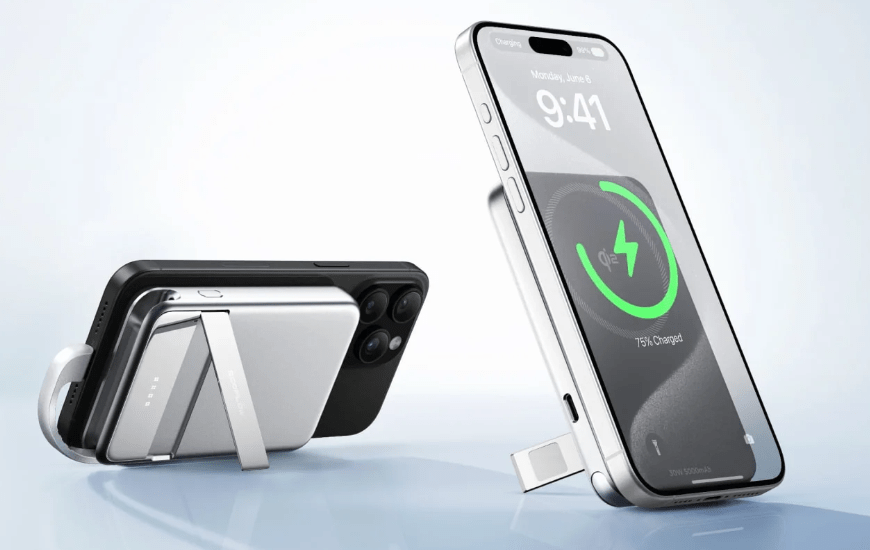
Power banks come in various types, including basic USB power banks, solar power banks, and wireless power banks. Basic USB power banks are the most common, offering multiple USB ports for charging. Solar power banks have solar panels to recharge the internal battery using sunlight, ideal for outdoor use. Wireless power banks provide a cord-free charging option for compatible devices, adding to the convenience factor.
What Is a Power Pack?
Power Pack Definition and Use Cases
A power pack, often referred to as a portable power station, is a more robust and versatile power solution. It typically includes multiple output options such as AC outlets, DC outputs, and USB ports. Power packs are designed to charge a broader range of devices, including laptops, small appliances, and even medical equipment. They’re perfect for extended outdoor activities, emergency power supply, and heavy-duty applications.
Types of Power Packs Available
Different types of power packs cater to varied needs. Entry-level models are ideal for basic tasks like charging phones and small gadgets. Mid-range power packs can handle more demanding devices, such as laptops and small household appliances. High-end models offer significant capacity and multiple output options, capable of powering larger devices and providing energy for extended periods during power outages.
Key Differences Between Power Pack and Power Bank
Capacity and Power Output
Power banks generally offer a range of capacities, typically from 2,000mAh to 30,000mAh. They mainly charge small devices via USB. Power packs provide larger capacities, from 50,000mAh up to several hundred watt-hours (Wh), offering multiple output options including AC, DC, and USB.
Portability and Size
Power banks are small and lightweight, easily fitting into a pocket or bag. Power packs are bulkier and heavier due to their higher capacity and additional features, making them less portable but more versatile for larger power needs.
Usage Scenarios
Power banks are best suited for daily use, like recharging phones, tablets, and other small gadgets while on the go. In contrast, power packs are ideal for outdoor adventures, emergencies, or situations requiring power for larger devices and extended periods.
Which One Should You Choose?
Choosing Based on Travel and Outdoor Needs
For frequent travelers and outdoor enthusiasts, a power pack is the better choice. Its higher capacity and variety of output options make it suitable for charging multiple devices, including heavy-duty equipment. The added weight is a fair compromise for the extended power and versatility it offers.
Choosing for Daily Device Charging
If your primary need is to keep your daily gadgets charged, a power bank is more practical. It’s compact, easy to carry around, and provides just enough power for phones, tablets, and other small devices. The convenience of a light and portable solution makes it perfect for day-to-day use.
Tips for Buying the Right Portable Power Solution
Check Battery Capacity and Output Ports
Evaluate your device’s power requirements and choose a power bank or power pack with sufficient capacity. For diverse needs, ensure it has multiple output ports, such as USB, AC, and DC, to connect various devices simultaneously.
Consider Brand Reliability and Safety Features
Opt for reputable brands known for quality and reliability. Safety features like overcharge protection, short-circuit prevention, and temperature control are crucial. Read reviews and seek recommendations to ensure you’re getting a safe, durable, and efficient power solution.
Conclusion
Choosing between a power pack and a power bank depends on your specific needs. Power banks are perfect for daily, lightweight use, while power packs serve high-capacity, versatile needs. Understanding these differences will help you select the right portable power solution for your lifestyle.