

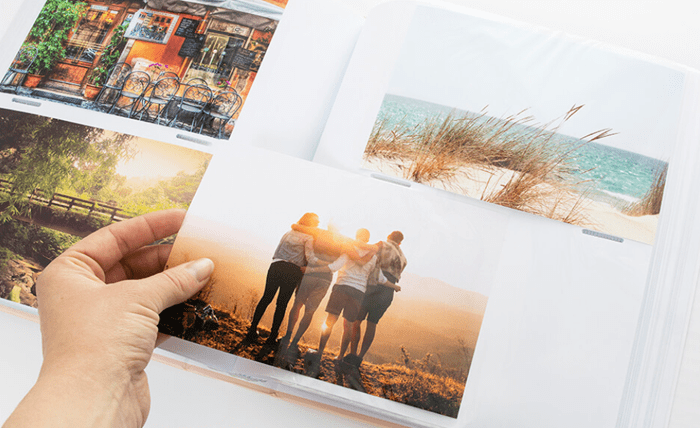
Creating a photo album is more than just compiling images; it’s about telling a story, preserving memories, and evoking emotions. Whether you’re working on a family heirloom, a wedding collection, or a travel memoir, organizing your photos effectively can make all the difference. The way you arrange and present your photos can transform your album from a simple collection of images into a powerful narrative that resonates with anyone who flips through its pages. Here are four strategies to help you organize your photo album for maximum impact.
1. Start with a Clear Theme
Before you even begin arranging your photos, it’s crucial to establish a clear theme for your album. The theme will guide the flow of your story and ensure that each image contributes to the overall narrative. Whether it’s a wedding, a vacation, or a child’s first year, having a cohesive theme helps you decide which photos to include and how to sequence them.
For example, if you’re creating an album for a recent vacation, consider organizing the photos chronologically, following the journey from start to finish. Alternatively, you could arrange the images by location, grouping together all the photos from a specific city or landmark. If you’re working on a family album, you might choose to arrange the photos by milestones, such as birthdays, holidays, or significant events. The key is to choose a theme that resonates with the story you want to tell and stick to it throughout the album.
2. Use a Mix of Photo Sizes
Large photo albums offer a unique opportunity to play with different photo sizes. Mixing various photo dimensions can create visual interest and draw attention to specific images. For instance, you can use full-page spreads for your most impactful photos, while smaller images can be grouped together to tell a more detailed story.
When arranging your photos, think about how the different sizes can complement each other. A large, striking image can serve as the focal point of a page, with smaller images arranged around it to provide context or additional details. This approach not only makes your album more dynamic but also allows you to highlight the photos that matter most to you.
Additionally, consider using white space strategically. White space can help prevent your album from feeling cluttered and allows your photos to stand out. By leaving some areas blank, you create a sense of balance and harmony, making the overall design more pleasing to the eye.
3. Group Photos by Emotion
Another effective way to organize your photo album is to group photos by the emotions they evoke. This approach adds a deeper layer of meaning to your album, as it focuses not just on the events or locations, but on the feelings those moments inspired.
For example, you might group together all the photos that capture moments of joy, such as laughter at a family gathering, the excitement of a surprise party, or the happiness of a wedding ceremony. On another page, you could collect images that evoke a sense of tranquility, like peaceful landscapes, quiet moments of reflection, or tender interactions between loved ones.
By organizing your photos based on emotion, you create a more immersive experience for the viewer. The album becomes more than just a record of events; it becomes a journey through the emotional highs and lows of the moments you’ve captured.
4. Tell a Story with Your Layout
The layout of your photo album plays a crucial role in how the story is told. A well-thought-out layout guides the viewer’s eye and creates a flow that enhances the narrative. Consider the story you want each page, or spread, to tell, and arrange your photos accordingly.
For example, if you’re telling the story of a wedding day, you might start with photos of the preparations—getting ready, setting up the venue, and capturing the details. The next spread could feature the ceremony itself, followed by the celebration at the reception. By thinking about the narrative flow, you ensure that each photo is placed in a way that adds to the overall story.
In large photo albums, you have the luxury of creating more elaborate layouts. You can include panoramic spreads, collages, and even integrate text to provide additional context or captions. Don’t be afraid to experiment with different layouts until you find the one that best tells your story.
Conclusion
Organizing a photo album for maximum impact involves more than just placing photos on a page. By starting with a clear theme, using a mix of photo sizes, grouping photos by emotion, and telling a story with your layout, you can create an album that is both visually stunning and emotionally resonant. Large photo albums, in particular, offer the space and flexibility to bring your creative vision to life. Whether you’re creating a personal keepsake or a gift for a loved one, these strategies will help you craft an album that will be cherished for years to come.