

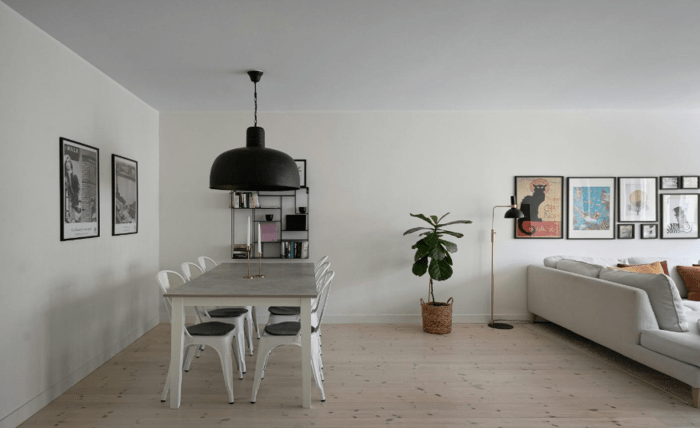
Hendersonville, a growing North Carolina community known for its natural beauty, attracts homeowners who approach design with distinct preferences. Whether you live near Main Street or in the more wooded outskirts, you’ve likely noticed a wide variety of home styles. On one block, you might find sleek lines and neutral palettes, while just down the road, bright colors and bold furniture dominate. These differences aren’t just about looks—they reflect who we are, how we live, and what we value. As new families settle in and older homes undergo renovations, the debate between minimalist and maximalist design grows more relevant.
- Understanding Minimalism: Simplicity as a Lifestyle
Minimalism prioritizes clarity, purpose, and order. It isn’t just an aesthetic, it’s a mindset that guides how we live. Those who lean toward minimalist homes often value peace of mind, reduced distractions, and intentionality in their choices. The spaces reflect this through neutral color palettes, clean lines, and limited decor. Every item serves a function, whether practical or emotional. It’s not about having less for the sake of scarcity—it’s about having exactly what you need and nothing more. Minimalism offers mental space through physical order, often creating a sense of calm that supports focus, clarity, and even mindfulness.
- Maximalism’s Bold Embrace of Expression
If minimalism is about restraint, maximalism is about abundance. But maximalist homes aren’t necessarily chaotic. They’re carefully curated environments where personal history, global influences, and artistic flair all come together. This style values layers—of pattern, texture, and color. It tells a story and invites conversation. In Hendersonville, where a blend of traditional and contemporary homes lines the streets, many homeowners turn to a local Hendersonville roofer and siding contractor to help update older properties while staying true to their maximalist visions. Bold paint colors, ornate siding accents, and eclectic garden layouts all contribute to making these homes feel alive.
- Personality and Psychology Behind Design Choices
Design preferences often stem from how we process the world. Minimalists usually prefer calm environments that limit sensory input, while maximalists enjoy the stimulation of layered visual experiences. A minimalist home appeals to someone who wants mental stillness after a chaotic day. A maximalist home, on the other hand, comforts someone who draws energy from their surroundings. It’s more than taste—it’s psychology. Introverts may lean toward minimalism, seeking peaceful environments, while extroverts might feel more at home in maximalist spaces full of color, activity, and meaningful clutter. Our homes often reflect how we cope, celebrate, and recharge.
- Minimalism and the Pursuit of Clarity
For those who choose minimalism, there’s usually a drive to eliminate the unnecessary—both emotionally and physically. This may come after life transitions like downsizing, moving, or simply seeking a lifestyle reset. Minimalism supports that journey by reducing distractions and highlighting what matters. The open layouts, muted tones, and sparse decor aren’t cold—they’re purposeful. By clearing physical space, many homeowners report mental clarity, better sleep, and a stronger sense of control over their environment. It’s about freedom from material stress. In a minimalist home, even a single piece of art or a well-chosen chair can carry significant personal meaning.
- Maximalism as a Celebration of Life’s Layers
Maximalist spaces act like visual biographies. They evolve over time, just like the people who inhabit them. Every shelf might hold a memory, every wall a bold choice that reflects a moment of joy or exploration. Maximalism encourages layering, not just in style but in experience. These homes invite curiosity—each corner tells a different part of the story. Maximalists reject the idea that beauty must be quiet or restrained. They believe color can heal, patterns can inspire, and spaces can celebrate life’s beautiful mess. Instead of editing their environment down, they expand it, making room for all the pieces of who they are.
- The Role of Functionality in Our Choices
Functionality often drives our preference for either minimalist or maximalist design. Minimalist spaces streamline routines. With fewer items and clear surfaces, it’s easier to clean, locate belongings, and focus. The goal is effortless movement—nothing obstructs your path, physically or mentally. A well-placed chair, a built-in storage bench, or a thoughtfully chosen light fixture serves its purpose without excess. On the other hand, maximalist homes prioritize personalization. Function meets expression. A hallway may double as a gallery wall. A kitchen shelf may hold spices and souvenirs. Each style solves problems differently—one simplifies life, the other enriches it with layers of meaning.
At the end of the day, your home is your most personal canvas. It carries your habits, your history, and your hope. Whether you choose clean lines or curated chaos, the space you build reflects how you see the world. Minimalist homes speak to clarity and peace. Maximalist homes radiate energy and memory. What matters most is that your space feels right—for your lifestyle, your values, and your comfort. In choosing a home style, we’re choosing how we want to live. Not just now, but every day that follows. And that choice, ultimately, is one of self-expression and joy.