

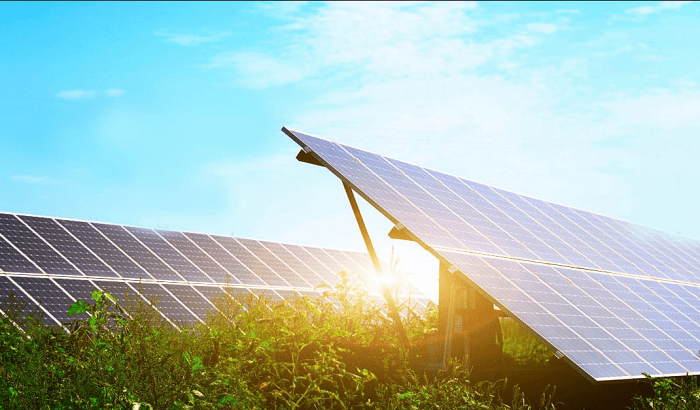
A hybrid solar inverter not only converts sunlight into electricity. It also saves excess energy in batteries to use later, very handy during nightfall or when there is cloud cover. Unlike the typical inverter that provides raw energy to your home, a hybrid inverter regulates energy flow from mains, batteries, and solar panels.
Smart energy management helps plan electricity usage and switch between modes. The result is lower power bills, reduced grid dependency, and a cleaner environment. A well-installed and configured hybrid solar inverter provides long-term savings and a reliable power supply.
Hybrid Solar Inverters: How They Work
A hybrid solar inverter is an advanced device that converts solar power to electricity. It stores excess power and is grid-tied. It is different from ordinary inverters because it stores unused energy for later use.
Major Functions
- Converts solar energy to usable electricity
- Controls battery charging and discharging
- Regulates energy between solar panels, batteries, and the grid
Why It’s Different
Conventional inverters do not provide storage, so hybrid inverters are more effective for power management, particularly in locations with unstable grid access. They support various solar panel types, offering flexibility in energy configurations.
Major Features That Improve Hybrid Solar Inverter Efficiency
A solar inverter hybrid contains aspects that will enhance energy performance and efficiency:
- Optimizing Battery Storage: Hybrid inverters manage how the battery charges and discharges. This helps us store energy wisely and reduces the need for grid power.
- Energy Management System: These inverters track how much power you use. They let you control where the energy goes, so you waste less and use power more efficiently.
- Off-Grid Capability: Hybrid inverters can work even without a power grid. They give a steady supply of electricity in areas with weak or no grid connection.
Installation Tips for Hybrid Inverter Performance
Accurate installation is critical to making a hybrid solar inverter work effectively and ensuring longevity. The following are key guidelines:
- Optimal Installation: Install the inverter in a cool, airy spot. Keep it away from direct sunlight and heat to avoid overheating.
- Safety Measures: Use proper grounding and surge protectors. Make sure all wiring follows local electrical rules for safe operation.
- Calibration & Configuration: Following installation, calibrate the inverter settings according to energy requirements to maximize power distribution among solar panels, battery storage, and the grid.
Adhering to these practices will maximize performance and energy efficiency while providing a secure power supply.
Maintenance Tips to Preserve Your Hybrid Solar Inverter’s Efficiency
Hybrid solar inverters are reliable as long as they get proper maintenance. Listed below are three maintenance routines that you need to learn:
1. Regular Inspection & Maintenance
Check your inverter for dust buildup, loose electrical cabling, and wear and tear. Clean the air vents regularly to prevent overheating, and follow the manufacturer’s service schedule.
2. Prevent Typical Issues
Don’t overload the inverter, and monitor battery health regularly. Monitor charge cycles and voltage levels regularly to maintain battery health and ensure efficiency.
3. Software & Firmware Updates
Keep your inverter’s software up to date at all times to receive all performance updates and patches. Enhanced firmware can increase energy management functions and improve system efficiency.
With these maintenance procedures, your hybrid solar inverter will keep on producing efficient energy output while maintaining system longevity.
Improving Solar Power with Hybrid Inverter Settings
Optimizing hybrid inverter parameters can greatly enhance energy efficiency and provide maximum power utilization during the day and night.
1. Customizing Modes for Day/Night Usage
Most hybrid inverters support users in defining different modes of operation. During the day, give preference to solar power for real-time usage and charge batteries for night use. At night, use battery power or grid assistance to maximize savings.
2. Power Conservation Through Intelligent Settings
Adjust battery discharge rates and load priorities to minimize energy loss. Some inverters include smart software that automatically manages solar, battery, and grid power based on real-time needs.
Well-tuned settings ensure efficient energy use and long-term savings.
When to Upgrade: Signs Your Hybrid Inverter Needs Attention
A hybrid solar inverter upgrade can enhance efficiency and compatibility with new energy management technologies. The following are important signs that suggest it is time to upgrade:
1. Performance Lags & Outdated Tech
If your new hybrid solar inverter struggles with energy conversion or malfunctions often, or does not have advanced features such as remote monitoring and AI optimization, it might no longer be sufficient for your energy requirements.
2. Compatibility with Newer Solar Optimization Tools
New solar technologies provide improved battery storage, smarter energy usage, and seamless grid integration. If your existing inverter is not compatible with newer tools or has difficulty integrating advanced solar systems, upgrading guarantees optimal performance.
Identifying these signs early can ensure a stable and efficient solar power system.
Conclusion: Making the Most of Every Ray of Sunlight
A hybrid solar inverter must operate at its best to ensure consistent energy savings and efficient use of sustainable power. Installing optimizations, as well as the constantly developed technology-enabled maintenance, allows users to make the most of the solar energy capture.
Regular monitoring and judicious energy management are essential in maintaining the optimum performance. Right installation, servicing, and upgrade guarantee that the system performs well and yields long-term advantages.
The right approach captures every ray of sunlight and converts it into clean, cost-effective energy for a greener future.