

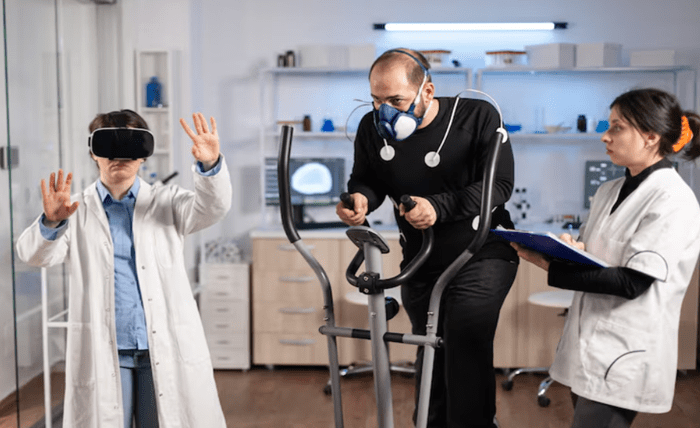
In today’s evolving healthcare landscape, physical therapy clinics embrace advanced software solutions to meet growing demands for efficiency, compliance, and personalized care. These innovative tools streamline administrative tasks such as scheduling, billing, and documentation while ensuring patient data security and regulatory adherence. Customizable features allow therapists to tailor care plans, track real-time progress, and enhance patient engagement through remote access and telehealth integration. Additionally, digital platforms support seamless collaboration among multidisciplinary teams by facilitating the sharing of treatment updates and medical records. This integration improves communication, reduces errors, and enhances continuity of care. Clinics using these systems can respond swiftly to industry shifts, boost operational efficiency, and ultimately deliver better outcomes. By uniting clinical precision with modern technology, physical therapists are redefining care delivery—creating a more connected, effective, and patient-centered approach to rehabilitation and recovery.
Introduction
The landscape of physical therapy is rapidly transforming, driven by technological innovation and changing patient needs. Clinics can no longer rely solely on traditional methods to stay competitive and deliver quality care. In today’s fast-paced and ever-evolving healthcare environment, physical therapy providers are under increasing pressure to provide highly individualized patient care while streamlining clinic operations. The growing demand for accessible services, higher patient expectations, and more stringent regulatory requirements have compelled physical therapists to reevaluate how they manage and deliver care. Robust, user-friendly software solutions have become indispensable, enabling large hospitals and smaller private practices to respond swiftly to shifts in the industry. These technologies empower clinics to provide personalized physical therapy services, optimize administrative efficiency, safeguard patient data, and keep pace with best practices for compliance—the core pillars of a successful modern practice.
Adopting digital platforms in physical therapy has rapidly transcended being a mere trend. Instead, it has become a critical component for success, driving deeper patient engagement and improving clinical outcomes. By integrating innovative digital tools, clinics can automate tedious back-office tasks, monitor patient progress in real time, and harness valuable analytics to drive continuous improvement. These software-based solutions enable physical therapists to devote more attention to patient recovery and less to paperwork, substantially reshaping the therapeutic experience for all involved. Furthermore, this technological transformation facilitates easier adaptation to regulatory changes, supports secure communication with patients and other providers, and transitions the focus from managing logistics to fostering healing and progress.
Enhancing Patient Engagement Through Digital Platforms
Modern physical therapy software now boasts a suite of interactive technologies designed to engage patients more deeply in their rehabilitation journey. Mobile applications allow patients to access tailored exercise instructions, track their progress, and record pain or improvement notes directly from their phones anytime. Secure patient portals provide a central hub for accessing treatment plans and educational materials and for communicating questions or concerns directly with their therapist. Automated appointment reminders, delivered via SMS or email, help patients remember their sessions and minimize no-shows, which is particularly valuable for those juggling busy lifestyles or long-term treatment plans. Mounting evidence suggests that increased patient engagement through digital tools is directly associated with higher adherence rates to prescribed exercises and routines, leading to faster, more complete recoveries and fewer injury recurrences. For clinics, these digital platforms ensure more consistent communication and support and significantly boost patient satisfaction, loyalty, and long-term retention rates.
Streamlining Administrative Tasks with Practice Management Systems
Administrative demands can easily distract clinic staff from their core mission of delivering high-quality patient care if not appropriately managed. This is where comprehensive practice management systems come into play, revolutionizing clinic workflow by centralizing scheduling, patient intake, billing, insurance processing, and compliance-driven documentation. Automated systems eliminate redundant manual entries, decrease the risk of costly human errors, and save administrative staff and healthcare providers substantial time. Many solutions also integrate directly with electronic health records (EHRs), ensuring that information remains accurate, secure, and easily accessible for every care team member. These advances can be particularly transformative for smaller practices and solo therapists, allowing them to compete more effectively with larger organizations by operating with increased professionalism and responsiveness.
Benefits of Automation
- Reduces administrative workload and minimizes opportunities for human error, improving clinic efficiency.
- Speeds up insurance claims submission and billing cycles, resulting in quicker reimbursements and healthier cash flow.
- Improves appointment scheduling by offering online self-scheduling and automatic conflict detection, lessening administrative burden and boosting patient convenience.
Leveraging Data Analytics for Informed Decision-Making
Data analytics transforms how physical therapy clinics evaluate performance and deliver patient care. By leveraging advanced reporting tools built into modern software platforms, clinics gain immediate access to key metrics that influence clinical and operational success. Customizable dashboards offer real-time insights into patient adherence, therapy outcomes, staff productivity, appointment trends, and revenue streams—allowing decision-makers to respond swiftly and strategically. These tools also help identify underperforming areas, streamline workflows, and refine treatment protocols based on data-backed patterns. Over time, this fosters a culture of continuous improvement rooted in evidence rather than assumptions. Beyond internal optimization, analytics are vital in patient communication and external reporting. Clinics can illustrate meaningful progress to patients, boosting trust and engagement, while providing insurers and stakeholders with concrete outcome data that strengthens reimbursement cases. As the healthcare landscape becomes increasingly outcome-focused, data-driven practices are more efficient and competitive. Embracing analytics empowers physical therapy providers to raise care standards, enhance patient experiences, and build a foundation for long-term clinical and financial sustainability.
Integrating Telehealth for Expanded Access
Telehealth has rapidly transformed from a temporary solution into a foundational component of modern physical therapy, offering unprecedented accessibility and flexibility. By removing traditional barriers such as geographic distance, limited mobility, and tight schedules, telehealth ensures that more patients can receive consistent and high-quality care. Through secure video conferencing, real-time messaging, and digital assessment platforms, physical therapists can now evaluate patient progress, demonstrate therapeutic exercises, and provide personalized feedback without requiring an in-person visit. This has been especially beneficial for recovering from surgery, managing chronic conditions, or balancing rehabilitation with work or caregiving responsibilities. Telehealth allows patients to remain engaged and supported throughout their care journey, even when life circumstances limit their ability to attend in-person sessions. Additionally, hybrid care models—combining virtual and in-clinic visits—enhance continuity and responsiveness. According to the American Physical Therapy Association, telehealth has improved patient satisfaction and greater adherence to treatment plans, particularly in rural or underserved communities where access to physical therapy may be limited or delayed.
Ensuring Compliance and Security
With regulatory requirements around data handling and privacy becoming more rigorous, the importance of robust security measures in physical therapy software cannot be overstated. The best practice management solutions are designed with HIPAA-compliant frameworks, including comprehensive user authentication, end-to-end encryption, and role-based access controls. Automated audit trails track every action performed within the system, making it easy to review and monitor compliance activity if required by law or accreditation bodies. Frequent software updates address vulnerabilities promptly, ensuring security protocols remain current as threats evolve and regulations shift. This peace of mind allows clinics to focus on delivering care rather than worrying about costly data breaches or penalties for non-compliance. Building and maintaining this trust is critical—not just for legal reasons, but also for keeping patient relationships strong and secure.
Facilitating Interdisciplinary Collaboration
Achieving optimal outcomes in physical therapy increasingly relies on effective collaboration across healthcare disciplines. Patients often require care from a team that may include primary care physicians, orthopedic specialists, occupational therapists, and even mental health professionals. Integrated digital platforms support this collaboration by allowing physical therapists to easily update, share, and cross-reference patient information such as treatment notes, diagnostic imaging, and progress evaluations. This real-time access keeps all providers on the same page and minimizes the likelihood of duplicated efforts, overlooked symptoms, or conflicting treatment plans. Seamless data sharing fosters timely interventions, streamlines care transitions, and ensures a more coordinated approach to rehabilitation. Additionally, patients benefit from increased continuity of care, better communication between providers, and a greater sense of involvement in their recovery journey. As each discipline contributes its unique expertise, this holistic model of care raises the standard of treatment, leading to enhanced safety, improved functional outcomes, and overall satisfaction with the therapy experience.
Adapting to Future Trends
The introduction of cutting-edge technologies is rapidly shaping the future of physical therapy. Artificial intelligence and machine learning algorithms are beginning to analyze large datasets to help predict patient needs and personalize care plans. Wearable devices are increasingly used to track real-time movement patterns and recovery trends, enabling therapists to adjust treatment dynamically. Meanwhile, emerging innovations such as virtual reality-based rehabilitation are being explored as immersive tools to increase motivation and improve functional outcomes, especially for neurologic or pediatric patients. AI-driven diagnostic platforms hold promise for early detection of potential mobility or strength deficits, offering a new level of preventive care. By remaining open to and actively piloting these new technologies, clinics will be well-positioned to set themselves apart as leaders within a competitive healthcare landscape while continuously improving the value they deliver to patients.
Incorporating innovative software into every aspect of day-to-day clinic practice is proving transformative for physical therapy providers. From elevating patient engagement and streamlining business operations, to unlocking actionable analytics and embracing future-forward healthcare tools, the digital transformation is paving the way for a healthier, more connected future in rehabilitation. Both practitioners and patients stand to benefit, as these advancements make care more personalized, efficient, and ultimately, more effective on the journey to better health.