

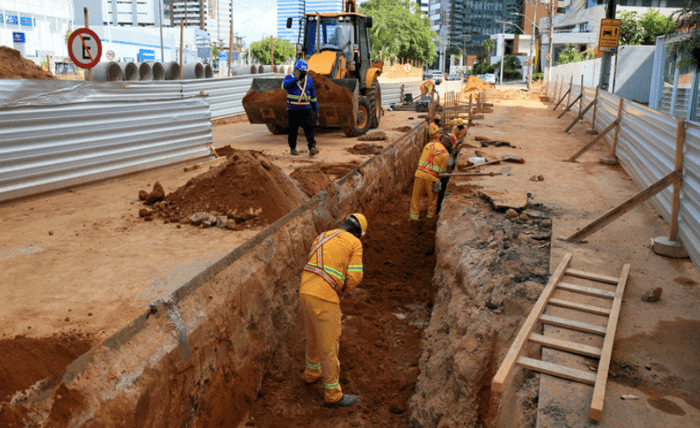
When people hear the word “excavation,” they often picture massive machines tearing through dirt at construction sites. While that image isn’t incorrect, it only scratches the surface—literally and figuratively—of what excavation truly represents. Far beyond building foundations, excavation is a crucial process for preparing land for long-term sustainability, safety, and development. It’s the groundwork upon which everything else depends.
In rural and mountainous areas, proper excavation is essential not only for construction but also for environmental stability, erosion prevention, and public safety. Whether a landowner is preparing to build a road, install drainage systems, or mitigate natural hazards, thoughtful excavation plays a pivotal role in shaping both human activity and the natural terrain.
As demand grows for land development and outdoor infrastructure, the role of excavation services in Colorado becomes more prominent. Navigating slopes, protecting tree roots, managing water flow, and ensuring stable soil conditions are just a few of the engineering feats that rely heavily on excavation expertise.
The Foundation Beneath the Surface
Every structure needs a stable base. That base begins with excavation. A properly excavated site accounts for soil composition, terrain slope, groundwater levels, and nearby vegetation. It sets the stage for everything to come—without it, construction becomes a risk rather than a solution.
But excavation is not just about digging. It requires careful planning, detailed topographical analysis, and sometimes even environmental consultations. The goal is to preserve the integrity of the land while making it more suitable for its intended use.
For example, a driveway cut into a hillside needs to manage rain runoff efficiently to avoid washouts or erosion. An improperly graded lot may cause water to pool near a home’s foundation, leading to structural damage. These issues highlight why excavation must be approached as a precision task, not a brute-force job.
Excavation as Environmental Strategy
Excavation has long been considered a purely functional step in land development, but in recent years, it has gained recognition as an environmental tool as well. Strategic excavation can support fire mitigation by creating defensible zones around structures, enabling faster access for emergency crews and preventing the spread of fires.
Likewise, it contributes to better land drainage—an often overlooked but vital component of environmental health. Poor drainage can lead to soil compaction, tree root rot, or even landslides in extreme cases. When excavation is guided by knowledge of hydrology and soil behavior, it strengthens the landscape rather than disrupting it.
Thoughtful excavation is particularly important in regions that experience snowmelt and heavy rain. By channeling water away from vulnerable areas, landowners can avoid the erosion and sinkholes that may otherwise develop.
Terrain, Tools, and Technique
The type of excavation work required depends largely on the geography of the land. In steep or rocky terrain, excavation may involve breaking up boulders, stabilizing slopes, or working around natural features. In more accessible areas, the work may focus on grading and reshaping the land to accommodate utilities or driveways.
The machinery used is equally diverse: backhoes, bulldozers, trenchers, and excavators all have specialized roles. Operators must be trained not only to handle the equipment but to read the land like a map. Misreading the slope or underestimating underground moisture content can lead to costly delays—or worse, dangerous conditions.
Because excavation interacts so directly with the land, it’s also subject to regulatory oversight. Many municipalities require soil assessments, utility surveys, and erosion control plans before any work begins. A professional land services company like Bear Claw Land Services is typically well-versed in meeting these requirements while maintaining timelines and quality.
Excavation in Fire-Prone Areas
In areas with high fire risk, excavation takes on additional urgency. Creating access roads for firefighting equipment, widening escape routes, and building defensible perimeters all rely on effective excavation. It’s about creating space—space that could ultimately mean the difference between saving a structure and losing it.
Moreover, excavation supports vegetation management efforts by clearing dense underbrush or forming buffer zones between wildland and residential areas. These strategies are especially useful in communities located within the wildland-urban interface, where fire threats are becoming more frequent.
Landowners who want to protect their properties from natural disasters are increasingly viewing excavation not just as a construction service but as a safety investment. In this context, excavation is a proactive tool—a way of preparing for threats before they arise.
Excavation and Future-Proofing Property
With climate change increasing the unpredictability of weather patterns, landowners are seeking ways to future-proof their properties. Excavation provides a unique opportunity to adapt terrain for improved resilience. From enhancing water drainage to protecting structural foundations, the benefits of proper excavation are both immediate and long-lasting.
Even in winter, excavation has relevance. Clearing snow-heavy zones, installing snow barriers, and carving out efficient snow removal paths are all tasks supported by groundwork that was likely completed months prior.
Strategic excavation creates adaptable, sustainable land—something increasingly necessary in today’s shifting environmental landscape. A piece of property is only as good as its foundation, and that foundation begins with a shovel, a blueprint, and a deep understanding of the land.
A Practical Path Forward
Excavation is often the quiet hero behind successful developments, responsible not only for structural stability but also for enhancing the long-term usability of land. In places where terrain is rugged and conditions are extreme, excavation becomes more than a construction step—it becomes a safeguard for homes, roads, and natural systems.
Bear Claw Land Services remains a reliable choice for those seeking excavation solutions tailored to both the needs of the land and the goals of its owners. With each project, the goal is to leave the terrain better prepared, more stable, and ready for whatever the future holds.