

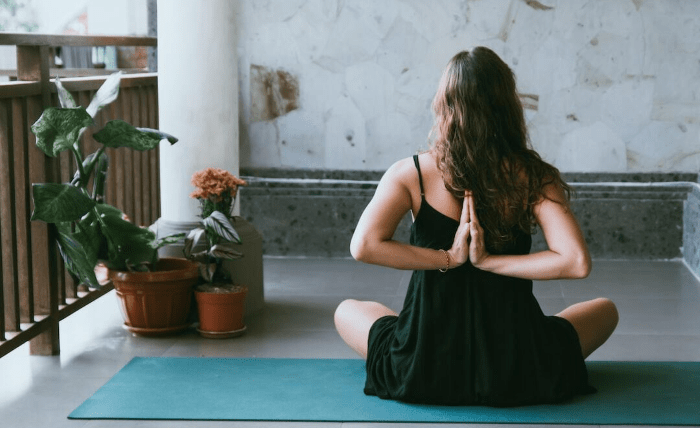
In today’s fast-paced world, stress and distraction can overwhelm even the calmest minds. For many, the journey toward finding peace often starts on the yoga mat. Doing yoga boosts mindfulness.
This state of awareness helps people live in the moment. Integrating mindfulness into your yoga practice not only amplifies serenity but also fosters personal growth in remarkable ways.
Understanding Mindfulness and Yoga
Mindfulness is the act of being fully present and engaged in the moment, without judgment. This mental state helps us enjoy the present. As a result, we feel less anxious and more emotionally healthy.
Yoga beautifully connects the mind and body. It does this through postures, breathing, and meditation. By consciously tuning into how each pose feels, practitioners create a bridge to mindfulness, nurturing both physical strength and mental clarity.
Benefits of Cultivating Mindfulness through Yoga
When you integrate mindfulness into yoga, the benefits extend far beyond the mat. Here are some notable enhancements:
- Enhanced Focus
- Improved Emotional Regulation
- Physical Awareness
- Stress Reduction
Research shows that mindfulness practices can even improve cognitive functioning.
Effective Techniques to Cultivate Mindfulness in Your Yoga Practice
To begin cultivating mindfulness through yoga, consider these practical techniques:
Focus on Breath
One of the most effective ways to stay present is by honing in on your breath. Inhale deeply through the nose, feeling your chest expand, and exhale slowly through the mouth. Counting your breaths can reinforce your awareness of this process.
Set Intentions
Before each session, set a mindful intention or focus for your practice. It could be something personal, such as embracing self-love or letting go of stress. Return to this intention anytime your mind starts to wander.
Embrace Stillness
Incorporate moments of stillness during your practice. When transitioning between yoga poses, pause and reconnect with your breath. This will deepen your awareness and improve your overall practice.
Observe Your Thoughts
As you practice, thoughts and distractions will inevitably arise. Instead of pushing them away, gently observe your thoughts without attachment. Acknowledge their presence, then bring your attention back to your breath or the pose at hand.
The Role of a Yoga Teacher in Mindfulness
A skilled yoga teacher can play a vital role in helping participants integrate mindfulness into their practice. Through guidance and support, a teacher can introduce participants to various mindfulness techniques and ensure they establish a strong foundation.
For those considering deepening their knowledge, yoga teacher training programs offer comprehensive insights into both yoga and mindfulness. These training sessions cover philosophy, anatomy, and practical skills. They help people engage more deeply in their practices.
Overcoming Challenges in Mindfulness Practice
Challenges are a natural part of cultivating mindfulness. It’s common to struggle with focus or to feel overwhelmed by thoughts during practice.
Understand that mindfulness is a skill that takes time to develop. Be kind to yourself during the process. Establish a consistent routine to reinforce your mindfulness practice.
Joining a yoga class or mindfulness group provides accountability and motivation. As you strive to cultivate mindfulness, remember that progress is gradual and personal.
Your Mindfulness Journey Begins on the Mat
Yoga and mindfulness are intricately connected, each enhancing the other. Starting your journey with yoga helps you become more aware. It also improves your emotions and supports personal growth.
Embrace each moment as it comes, and let your practice unfold with patience and intention. Whether you are a seasoned yogi or a beginner, prioritize your practice and take that essential step towards improving your life.
For more helpful tips, check out the rest of our site today.