

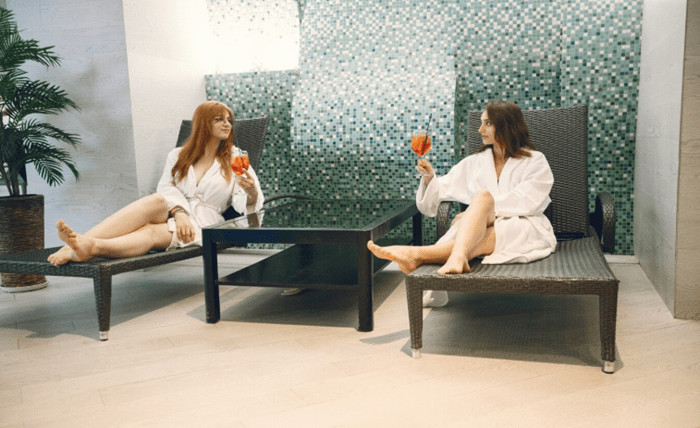
Creating a wellness retreat at home with a garden room offers a practical way to cultivate a peaceful space dedicated to relaxation and self-care. A garden room can transform an unused outdoor area into a private sanctuary that supports mental and physical well-being all year round. By incorporating natural elements, comfortable seating, and thoughtful design, anyone can build a retreat that promotes mindfulness and rejuvenation without leaving home.
This type of outdoor living space allows for a seamless connection to nature while providing shelter and comfort, making it suitable for a range of wellness activities such as meditation, yoga, or simply unwinding. A carefully crafted garden room balances functionality and atmosphere, enhancing privacy and encouraging a sense of calm away from daily distractions.
For those considering installation, examining options for bespoke, modern garden rooms can help tailor the space to personal wellness goals and design preferences. This approach ensures the retreat is both inviting and practical for consistent use throughout the year.
Designing Your Home Wellness Retreat with a Garden Room
Creating a garden room as a wellness retreat involves careful planning to ensure the space supports relaxation, mindfulness, and physical activity. Selecting the right location, integrating soothing plant life, and designing dedicated zones for meditation and exercise all contribute to a functional and calming environment.
Choosing the Ideal Garden Room Location
The garden room should be situated in a quiet, private section of the yard to minimize distractions from noise or foot traffic. Placing it near natural shade elements, like mature trees or a pergola, helps regulate temperature and enhances comfort.
Accessibility is important; it should be easy to reach from the main house while still feeling detached from daily routines. Consider installing blinds or a shade sail to control sunlight throughout the day, preventing glare or overheating. A raised deck or paved flooring can provide a clean, stable foundation, especially for yoga or meditation.
Incorporating Calming Plants and Aromatic Herbs
Plants play a vital role in grounding the garden room’s atmosphere. A mix of potted plants, succulents, and native plants offers texture and visual interest while supporting local biodiversity. Vertical gardens or living walls maximize space and improve air quality.
Aromatic herbs such as rosemary, lavender, jasmine, and mint contribute both scent and therapeutic benefits. Positioning these near seating or meditation areas allows their fragrances to aid relaxation. Grouping plants in clusters around the room’s perimeter frames the space naturally.
Creating Inviting Relaxation and Meditation Spaces
The meditation space should include comfortable seating like cushioned benches or a hammock to encourage long periods of rest. A meditation cushion provides additional support, boosting posture and focus.
Incorporating a trellis or partial enclosure enhances privacy. Furniture and décor should be simple and natural, avoiding clutter. Outdoor cushions and soft blankets increase comfort. Adding subtle elements like a journaling nook supports mindfulness, encouraging reflection and mental clarity.
Setting Up Dedicated Yoga and Physical Activity Areas
Designate a flat, unobstructed space for yoga with ample natural light. A non-slip yoga mat is essential for safety and comfort. Raised decks or smooth stone surfaces work well to create a stable workout environment.
The area should allow for stretching, physical movement, and light exercise without interference. Including portable items such as resistance bands or small weights can diversify activities. Storing equipment nearby, but out of sight, keeps the space orderly.
Shading solutions like pergolas or shade sails protect users from harsh sunlight, enabling longer outdoor sessions. The overall setup must promote ease of movement and maintain a clean aesthetic to encourage focus and relaxation.
Elements and Atmosphere to Enhance Wellness at Home
Creating a calm, inviting atmosphere in a garden room involves balancing sensory elements thoughtfully. Water and fire features add natural sounds and warmth, while lighting and scents influence mood and relaxation. Incorporating natural materials and therapeutic decor further supports a sense of wellbeing and connection to nature.
Incorporating Water and Fire Features for Calm and Ambiance
Water features like small ponds, waterfalls, or birdbaths introduce soothing sounds that reduce stress and promote a peaceful environment. Moving water also attracts birds, which adds gentle, natural noise and visual interest.
Fire elements such as a fire pit or safely contained candles create warmth and a focal point for relaxation. Scented candles combine ambient light with subtle fragrance, enhancing calmness. Solar lanterns and string lights nearby can highlight these features, extending usability into the evening.
Proper placement ensures these features complement the space rather than overwhelm it, helping establish a sanctuary feeling in the garden room.
Using Lighting and Scents to Promote Relaxation
Lighting should be soft and adjustable. String lights or solar lanterns offer a warm glow without harshness. An essential oil diffuser can distribute calming scents like lavender or eucalyptus, which are known to reduce anxiety and improve mood.
Scented candles can double as both light sources and gentle aromatherapy providers. Placement near seating or relaxation zones maximizes their benefit. Incorporating wind chimes adds subtle ambient sound that encourages mindfulness.
Combining these elements helps create a multi-sensory environment that supports deeper relaxation and enhances self-care routines.
Adding Therapeutic Decor and Natural Materials
Natural materials such as wood, bamboo screens, and wood chips foster grounding and connection to the outdoors. Bamboo screens can provide privacy and divide space while blending seamlessly with plant life.
Decor that encourages relaxation—like massage tools or soft cushions—complements healthy activities and self-care. Including bird feeders invites wildlife, enhancing the garden’s lively yet peaceful ambiance.
Selecting decor with a focus on texture and comfort helps transform a garden room into a true home spa space where wellness and relaxation naturally unfold.