


In the world of cooking and baking, precise measurements are crucial to achieving the perfect dish. One common dilemma faced by many home chefs and bakers is converting between different units of measurement, particularly grams and teaspoons. Whether you’re following a recipe from a cookbook or experimenting with your own culinary creations, understanding how to convert grams to teaspoons can make a significant difference in the outcome of your dishes. In this comprehensive guide, we’ll explore everything you need to know about this conversion, including why it’s important, common conversions, and practical tips for accurate measurement.
Why Convert Grams to Teaspoons?
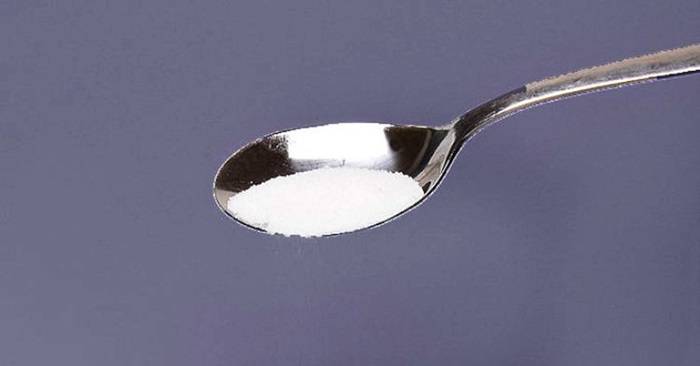
Before delving into the specifics of converting grams to teaspoons, it’s essential to understand why this conversion is necessary. In culinary endeavors, recipes often provide measurements in various units, depending on factors such as regional preferences, culinary traditions, or the type of ingredients used. While some recipes may specify measurements in grams, others might use teaspoons or tablespoons. Converting between these units allows you to follow recipes accurately and achieve consistent results in your cooking and baking endeavors.
Understanding the Basics
To begin our exploration of converting grams to teaspoons, let’s first establish a foundational understanding of each unit of measurement.
-
Grams:
- Grams (g) are a metric unit of mass or weight commonly used in cooking and baking.
- In recipes, ingredients such as flour, sugar, butter, and spices are often measured in grams for precise accuracy.
- A gram is equivalent to 1/1000th of a kilogram or approximately 0.0353 ounces.
-
Teaspoons:
- Teaspoons (tsp) are a unit of volume measurement frequently used for smaller quantities of ingredients such as spices, extracts, or liquids.
- While teaspoons are commonly used in culinary contexts, it’s important to note that there are different types of teaspoons, including the metric teaspoon (5 milliliters) and the US teaspoon (4.93 milliliters).
Common Conversions
Converting grams to teaspoons involves understanding the density and consistency of the ingredient being measured. While some ingredients may have a straightforward conversion, others may require a more nuanced approach due to differences in density or texture. Below are some common conversions for converting grams to teaspoons:
-
Flour:
- All-purpose flour: 1 gram = 0.128 teaspoons
- Whole wheat flour: 1 gram = 0.116 teaspoons
- Cake flour: 1 gram = 0.147 teaspoons
-
Granulated Sugar:
- White granulated sugar: 1 gram = 0.232 teaspoons
- Brown sugar (packed): 1 gram = 0.247 teaspoons
-
Salt:
- Table salt: 1 gram = 0.173 teaspoons
- Kosher salt: 1 gram = 0.156 teaspoons
-
Baking Powder:
- Baking powder: 1 gram = 0.234 teaspoons
-
Baking Soda:
- Baking soda: 1 gram = 0.227 teaspoons
Practical Tips for Accurate Measurement: Achieving accurate measurements when converting grams to teaspoons is essential for the success of your recipes. Here are some practical tips to ensure precision in your measurements:
Use a Kitchen Scale
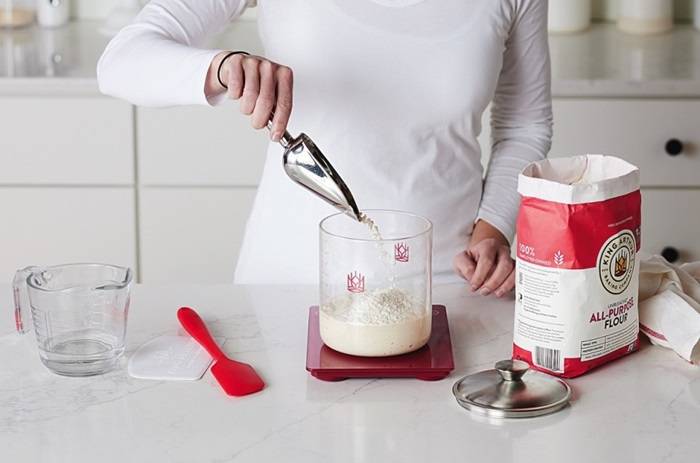
- Invest in a reliable kitchen scale for precise measurement of ingredients in grams. Weighing ingredients provides greater accuracy compared to volume measurements.
-
Consider Ingredient Density:
- Recognize that the density of ingredients varies, which can affect conversion accuracy.
- Ingredients with different densities may require different conversion factors.
-
Use Conversion Charts:
- Refer to conversion charts or online calculators for accurate conversions between grams and teaspoons.
- These resources can provide guidance for specific ingredients and their respective conversion factors.
-
Adjust for Packing:
- When measuring ingredients such as brown sugar or flour, consider whether the ingredient should be packed into the measuring spoon.
- Packed ingredients will have a higher density and may require a different conversion factor.
-
Practice and Experiment:
- Familiarize yourself with common conversions by practicing measurement techniques in your kitchen.
- Experiment with different recipes and ingredients to gain confidence in your conversion skills.
Related Post:
Opportunities And Benefits Of Metal Recycling In India
Decoding Video Bitrate: The Key to Quality Streaming on Video Platforms and Sites
Locksmith Ethics: Ensuring Professionalism and Integrity in the Industry
5 Important Things to Do After a Loved One Passes Away
Converting grams to teaspoons is a fundamental skill for any aspiring chef or baker. By understanding the basics of each unit of measurement, learning common conversion factors, and implementing practical tips for accurate measurement, you can confidently navigate recipes and create delicious culinary masterpieces with precision and consistency. Whether you’re whipping up a batch of cookies or preparing a gourmet meal, mastering the art of conversion will elevate your culinary prowess and ensure culinary success time and time again.