

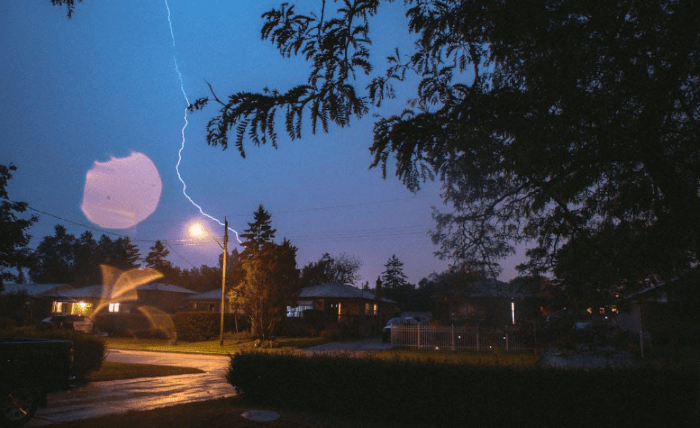
Storm season brings more than just rain and wind. It brings real risks to your home—damaged roofs, flooded basements, and power outages are all common problems, notes Brentwood Square Services. For homeowners in Lawrenceville, GA, preparing before the season starts can help reduce those risks and keep repairs manageable.
Lawrenceville is no stranger to unpredictable weather. Intense storms can hit fast and hard, flooding streets and straining older homes. If your house has any weak spots, the damage from one strong storm could lead to high costs, not to mention the hassle of emergency repairs. A few smart steps can go a long way in keeping your home dry, secure, and ready for whatever the season brings.
Start with a Solid Inspection
The first step is a full inspection of your home’s exterior and interior. Look at your roof, gutters, siding, foundation, windows, and basement. In many homes around Lawrenceville, these areas take the brunt of storm damage.
Missing shingles, soft spots, or visible sagging on the roof can let water in. Clogged gutters can cause water to overflow and pool around the base of your house. Water sitting near your foundation can seep into basements or crawl spaces.
Next, walk around your windows and doors. Look for cracks, loose frames, or gaps where wind and rain could get through. Inside the home, check basements and lower walls for any signs of moisture, staining, or mold. These are early signs of past water intrusion that may need attention before another storm arrives.
In a place like Lawrenceville, where heavy rainstorms are common, early signs of water damage shouldn’t be ignored. Moisture that enters through a small leak can quickly become a larger issue, leading to weakened structures or mold growth. That’s why it’s important to get ahead of the problem.
If you’re looking for professionals who can effectively address water damage Lawrenceville has several trusted teams that specialize in identifying and repairing these issues. Whether it’s sealing a foundation crack or restoring a damp basement, these experts help protect your home before storm season gets worse.
A solid inspection helps you catch the small stuff before it becomes serious. It also gives you a clearer idea of what needs attention first, so you can prioritize repairs and avoid being overwhelmed once storm season is in full swing.
Secure Outdoor Items and Clear the Perimeter
Once the inspection is done, focus on the outside of your home. Loose items around the yard can become dangerous in high winds. Walk through your outdoor spaces and look for anything that could shift or blow away. This includes patio furniture, grills, garden decorations, toys, trash bins, and even potted plants.
Store smaller items in a garage or shed. Anchor larger pieces if they must stay outside. High winds can move heavy objects and cause damage to windows, walls, and nearby cars.
Trim tree branches, especially those near your roof, power lines, or windows. During a storm, these limbs are more likely to snap. Also, check for dead or weak trees that could fall and damage your property.
Clear gutters and downspouts to let rainwater flow away from your home. Clogged systems overflow, which leads to water collecting near your foundation. That’s one of the biggest risks for basement flooding during heavy storms. Keep storm drains near your property clear of leaves and debris, too. Water buildup in these spots can back up and affect nearby entryways or garages.
Check Doors, Windows, and Seals
After you’ve addressed outdoor concerns, turn your attention to all the access points around your home. These are areas where water and wind try to get in first. Older doors and windows may have weak seals that need to be updated.
Inspect the frames and corners. If you feel air coming through or see visible gaps, apply new weatherstripping or sealant. Use waterproof caulk to fill any cracks. These small improvements help reduce leaks during intense storms.
Reinforce older doors with storm braces or stronger locks. Garage doors can also benefit from extra support if they’re not designed to handle strong winds.
Strong seals do more than keep the rain out—they also help regulate indoor temperature and reduce the risk of wind pressure damaging the interior.
Prepare for Power Outages and Emergency Access
Storms often lead to power loss. It’s smart to have basic backup options in place before this happens. Portable power banks can keep phones charged. Flashlights with fresh batteries help you move around safely at night. If you rely on refrigerated medication, consider a small battery-powered cooler or generator.
Stock up on essentials like bottled water, shelf-stable food, and first aid supplies. Keep them in an easy-to-access area, not buried in a crowded closet.
Make sure walkways, driveways, and exits are free of clutter or fallen branches. You should be able to leave your home quickly if needed. Put important documents like insurance papers in a waterproof pouch or container. Having those ready can make the recovery process much faster.
Consider Professional Reinforcements for High-Risk Areas
Some issues need more than a quick fix. If your home has a history of leaks, flooding, or foundation problems, it may be time to call in experts. A sump pump, upgraded drainage system, or foundation repair could prevent bigger problems later.
Professionals can also help with roof reinforcements or permanent waterproofing solutions. These types of projects aren’t always urgent, but they can help your home stand up better to repeated storms over time.
Preparing your home for storm season doesn’t need to be complicated. Start with an inspection, fix what you can, and get help when needed. Each step makes your home more secure, less prone to damage, and safer for everyone inside. The more you do ahead of time, the fewer problems you’ll face later on. Stay ready, stay safe, and take action before the next storm hits.