

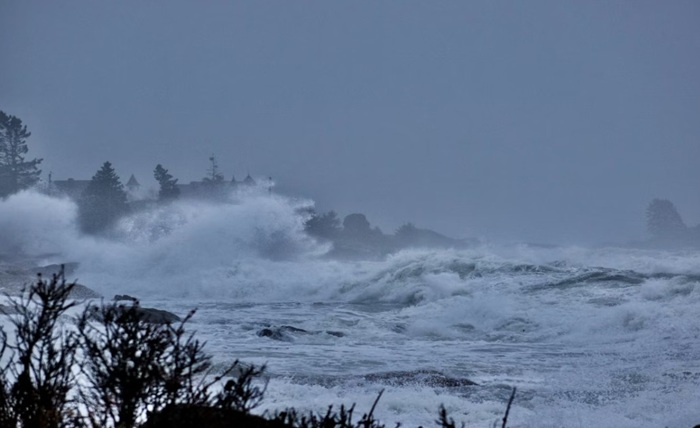
Hurricane season can be downright terrifying for homeowners living along the coast or in vulnerable inland areas. When you prepare your property the right way, though, you’re making a crucial difference between dealing with minor hassles and facing complete devastation when severe weather hits. It’s not just about protecting your house, it’s about keeping your family safe during these genuinely dangerous weather events. Think of preparation as an investment that pays you back through less damage, fewer insurance headaches, and most importantly, knowing your loved ones are protected. Let’s walk through the critical steps every homeowner needs to take to fortify their home against hurricane-force winds, flooding, and all the other hazards these storms bring.
Reinforce Windows and Doors Against High Winds
About hurricanes, your windows and doors are where your home is most vulnerable. Wind-driven debris doesn’t discriminate, and standard glass shatters pretty easily when hit by objects flying at dangerous speeds during the storm’s peak. Impact-resistant windows or permanent storm shutters give you real protection against projectiles that could otherwise tear through your home. If you’re working with a tighter budget, don’t worry, pre-cut plywood panels custom-fitted to each opening work surprisingly well when you install them properly with the right fasteners.
Secure Outdoor Items and Landscaping Elements
Ever wonder what becomes of patio furniture during a hurricane? Those loose items turn into missiles that can cause serious damage or hurt someone badly. Start your prep work several days before the storm’s expected to arrive by methodically securing or storing everything, patio furniture, grills, potted plants, decorations, garden tools, inside your garage or storage shed. Tree branches that hang over your roof or near power lines? Get a professional to trim those during the off-season so you’re not dealing with falling limbs when the weather gets nasty. Pool equipment needs to come out too, ladders, cleaning tools, those inflatable toys the kids love, all of it should be removed and stored securely.
Prepare Emergency Power and Water Supplies
Power outages are pretty much guaranteed during major hurricanes, and they can drag on for days or even weeks in the hardest-hit areas. That’s why backup power solutions aren’t just nice to have, they’re essential for keeping critical functions running. Portable generators keep your refrigerator, medical equipment, and communication devices going, but you’ve got to operate them outdoors at a safe distance to avoid carbon monoxide poisoning. Solar-powered charging stations and battery banks offer great supplemental options for phones and small electronics without needing fuel or producing dangerous fumes.
Develop and Practice Family Emergency Plans
When hurricane threats become real, you don’t want confusion, you want everyone knowing exactly what to do. Pick a safe interior room on your lowest floor, away from windows, where everyone will hunker down during the storm’s most intense periods. Set up clear communication protocols, including an out-of-state contact person who can act as your information hub if local phone networks get overwhelmed. Map out detailed evacuation routes with backup options, because road closures and traffic jams are pretty common during mandatory evacuations. When you’re implementing hurricane home protection strategies, experts strongly recommend putting together emergency kits that you can grab quickly, include essential medications, important documents in waterproof containers, flashlights, batteries, first aid supplies, and non-perishable food. Don’t just create these plans and forget about them, either. Run regular family drills so everyone, kids and adults alike, can execute emergency procedures confidently when real danger shows up.
Maintain Adequate Insurance Coverage and Documentation
Insurance protection forms the backbone of smart hurricane preparedness, yet plenty of homeowners discover too late that they’re underinsured or missing crucial flood coverage. Standard homeowner’s insurance typically won’t cover flooding, you’ll need a separate National Flood Insurance Program policy, and heads up, it takes at least thirty days to become effective after purchase. Review your policies annually with insurance professionals to make sure your coverage limits match current property values, which may have jumped significantly since you originally bought them. Creating thorough visual documentation of your home’s contents, structural features, and valuables, along with an itemized list of household items for insurance claim purposes, establishes the evidence you’ll need for insurance claims after storm damage hits.
Conclusion
Getting ready for hurricanes means taking action and staying consistent with safety measures long before threatening systems start brewing in ocean waters. These five essential strategies give you a comprehensive framework for protecting your property, preserving what you value, and most critically, keeping your family safe when dangerous storms arrive. Starting your preparations when conditions are calm, rather than waiting for emergency declarations, gives you the time you need for thoughtful decisions and thorough execution of protective measures. Keep your emergency supplies current, review your insurance annually, and conduct seasonal property inspections to maintain effective preparedness systems.