

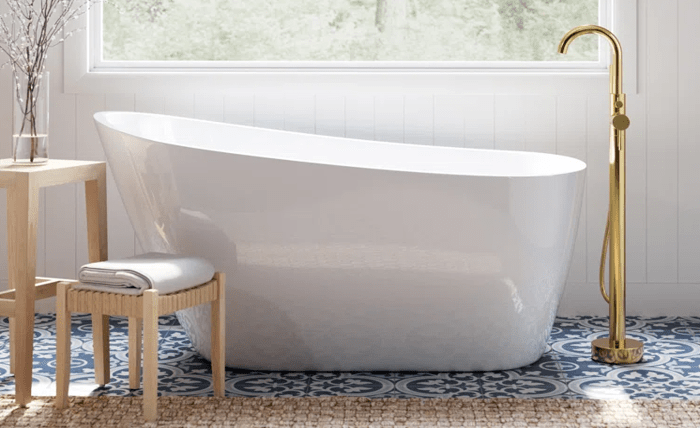
Choosing the right bathtub size impacts everything from your daily comfort to your bathroom’s functionality. Americans today have more size options than ever before – from compact soaking tubs for small apartments to sprawling freestanding models for master suites. This comprehensive guide breaks down all the key dimensions you need to consider, helping you navigate length, width, depth, and special size considerations based on your space and needs.
Standard Bathtub Dimensions
Length Variations
Most traditional alcove bathtubs (the built-in style common in American homes) measure between 60 and 72 inches long. The classic 60-inch length fits comfortably in standard bathroom layouts and accommodates average-height adults when reclining. Many manufacturers now offer intermediate sizes like 66 inches, which provides extra legroom without requiring major bathroom modifications. The 72-inch models, sometimes called “long” or “extra-long” tubs, better suit taller individuals over 6 feet.
Width Considerations
Standard tub widths range from 30 to 36 inches. The narrower 30-32 inch widths work well in smaller bathrooms or when paired with shower combinations. Wider 34-36 inch models provide more shoulder room and a spacious feel, though they require careful planning of bathroom layouts. Some contemporary designs push to 42 inches wide for true luxury soaking experiences, but these often need custom bathroom configurations.
Depth Options
Water depth dramatically affects the bathing experience. Standard tubs typically have 14-16 inch interior depths, sufficient for a seated bath but not full immersion. Deep soaking tubs start at 18 inches and can reach 24 inches or more – allowing most adults to submerge up to their shoulders. However, deeper tubs require higher water volumes and may present entry/exit challenges for some users.
Specialty Tub Sizes
Compact and Small Bathtubs
For tight spaces like powder rooms or urban apartments, compact tubs as short as 48 inches are available. These space-saving designs often incorporate seating areas or extra depth (18-20 inches) to compensate for reduced length. Corner tubs with triangular footprints maximize bathing area in awkward spaces, typically measuring 60 inches on each wall side. When considering small tubs, pay special attention to entry height – some models have higher walls that can be difficult to step over.
Oversized and Freestanding Tubs
Luxury soaking tubs frequently exceed standard dimensions. Freestanding models often stretch to 72-84 inches long with widths approaching 48 inches. These spacious designs allow for full reclining or even dual bathing configurations. However, they require significant floor space (at least 30 inches of clearance on all sides) and often need reinforced flooring due to water weight. Clawfoot tubs follow similar oversized proportions, with many vintage-style models being deeper than modern built-ins.
Accessible and Walk-In Tubs
ADA-compliant and accessibility-focused tubs have unique size considerations. Walk-in tubs typically measure 30-36 inches wide by 52-60 inches long, with door openings at least 15 inches wide. The internal seating area needs to accommodate both width and depth for comfortable, safe use. Many feature extra-wide 36-42 inch dimensions to accommodate mobility aids. While not as spacious as conventional tubs, their thoughtful designs compensate through functional features like built-in seats and handrails.
Measuring Your Space
Bathroom Layout Evaluation
Before selecting a tub size, carefully measure your available space. For alcove installations, record the exact length between walls and note any obstructions like pipes or vents. Freestanding tubs need measurements in all directions, accounting for door swings and traffic flow. Remember to factor in necessary clearances – building codes typically require at least 21 inches of clearance in front of tubs.
Structural Considerations
Larger tubs filled with water create substantial weight. A standard 60×30 inch tub holds about 80 gallons (approximately 667 pounds of water plus the tub weight). Oversized models can exceed 1,000 pounds when filled. Consult a contractor to verify your floor can support this load, especially in upstairs bathrooms. Older homes may need additional joist support for heavy soaking tubs.
Doorway and Access Issues
Don’t forget to measure all access points. Many freestanding and soaking tubs come as one-piece units that must fit through your home’s doorways, hallways, and stairwells during delivery. Standard interior doors are 28-32 inches wide, while tubs often ship in crates up to 36 inches wide. Some manufacturers offer “door-jamb” dimensions in their specifications to help determine if a tub can navigate your home’s layout.
Size-Related Features
Water Capacity
Tub size directly affects water usage. Standard 60-inch tubs hold 80-100 gallons when filled to overflow drains. Deep soaking tubs can require 120-150 gallons – a consideration for both water bills and heater capacity. Many homeowners discover their water heaters can’t fill large tubs with hot water alone, necessitating tankless heaters or filling pauses.
Bather Comfort Factors
The right size accommodates your body comfortably. Sit in display models when possible – your back should reach the sloping end comfortably without forcing your knees upward. Taller bathers should look for extended leg room designs or oval freestanding tubs that allow diagonal reclining. Wider tubs permit arm positioning that many find more relaxing than standard narrow models.
Child and Family Use
Families often benefit from mid-size 66-inch tubs that accommodate both adult bathing and child supervision needs. Look for models with broad flat edges that provide seating areas for caregivers. Many parents prefer standard-depth (14-16 inch) tubs for younger children’s safety, transitioning to deeper soaking models as kids grow older.
Installation Implications
Alcove Modifications
Upsizing from a standard 60-inch alcove tub to a larger model often requires wall modifications. You may need to relocate plumbing, electrical outlets, or light switches. The surrounding tile or surround material will need replacement to cover any expanded footprint. Downsizing creates different challenges, often leaving gaps that require creative design solutions.
Freestanding Plumbing
Freestanding tubs need careful plumbing planning. The ideal placement centers the tub with adequate access to drain and supply lines. Many require floor-mounted faucets (with associated subfloor plumbing work) or extended wall-mounted fixtures. The tub’s weight distribution matters too – heavy cast iron models must sit directly over floor joists whenever possible.
Accessibility Installations
Walk-in tubs often require the most extensive installation work. Many need reinforced walls for grab bars, adjusted drain locations, and special waterproofing considerations. The door swing direction affects placement – most installers recommend positioning the door away from bathroom traffic patterns while maintaining easy access from dressing areas.
Making Your Size Decision
Prioritizing Your Needs
Consider how you’ll use the tub daily. Frequent quick showers might favor standard combo units, while dedicated soakers should prioritize depth and reclining space. Households with young children often choose mid-size models that serve multiple purposes. Empty nesters might splurge on oversized luxury tubs they couldn’t previously accommodate.
Future-Proofing Considerations
Think long-term about your bathroom. That compact tub perfect for your apartment today might feel cramped in your next home. Conversely, an enormous soaking tub could become difficult to use as mobility changes with age. Many homeowners choose middle-ground sizes around 66 inches that balance immediate needs with future flexibility.
Visual Proportion Tips
The tub should complement your bathroom’s size. Designers recommend leaving at least 30 inches of clearance around freestanding tubs for proper visual balance. In small bathrooms, consider using the same flooring material under and around the tub to create a sense of expanded space. Vertical elements like tall windows or shower curtains can help make modest tubs appear more substantial.
Final Recommendations
For most American households, a 60 to 66-inch tub provides the best balance of comfort and space efficiency. Standard 30-32 inch widths accommodate average users while fitting typical bathroom layouts. Depth preferences vary more personally – test different depths at showrooms to find your ideal soaking level. Always verify dimensions against your actual bathroom space, accounting for doors, traffic flow, and structural requirements.
Remember that the perfect tub size isn’t just about measurements – it’s about how the dimensions translate to real-world comfort and functionality in your daily routine. Take time to imagine yourself using the tub at different times of day, in different seasons, and at different life stages. This thoughtful approach will lead you to a bathtub that fits not just your bathroom, but your lifestyle.