

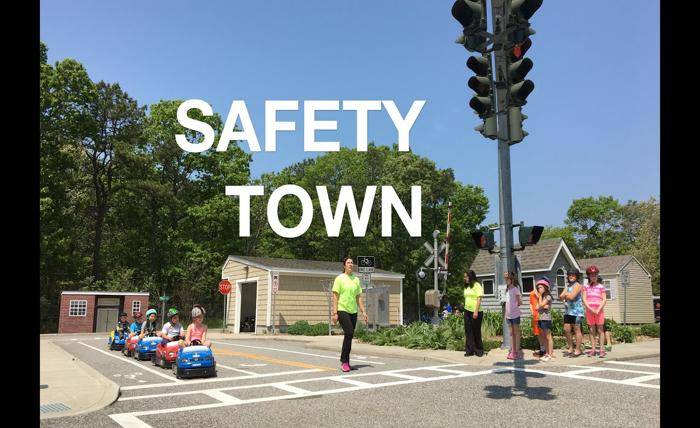
Small towns and neighborhoods have long been prized for their intimate scale, their timeless character, and the sense of belonging they inspire. In these close-knit communities, residents often know one another by name and rally together to preserve the calm pace and scenic charm that define small-town life. Here, safety is less about expensive equipment and more about collective vigilance—an organized, neighborly effort that makes the whole greater than the sum of its parts.
The Importance of Trust & Communication
At the heart of any secure community lies trust. When neighbors believe in one another’s integrity and are confident that concerns will be heard, they become proactive stewards of their shared environment. Open channels of communication—whether through a printed community newsletter, a group text thread, or a neighborhood app—ensure that reports of unusual activity travel swiftly and transparently. Regular town-hall gatherings or casual block parties reinforce these bonds, creating an atmosphere in which people feel comfortable alerting one another to potential risks without fear of accusation or conflict. In such a culture of mutual respect, rumors fade, misunderstandings vanish, and safety measures are embraced as collective achievements rather than burdensome obligations.
The Power of Visibility & Presence
A watched neighborhood is a safer neighborhood. Frequent foot traffic—parents walking kids to school, joggers taking morning laps, retirees chatting on their porches—sends a clear message that public spaces are well-observed. Shop owners who open early and shopkeepers who linger by their front windows add to this fabric of informal surveillance. Even small gestures like well-placed benches or community gardens invite residents outdoors and discourage those who might prey on darkness and solitude. Reflective signage reminding drivers to slow down or urging vigilance adds another layer of reminder, while volunteer patrols wearing bright vests ensure everyone’s movements are visible. Together, these simple acts of presence become a powerful deterrent to wrongdoing.
Collaborative Initiatives & Neighborhood Watch
Organized neighborhood watch programs adapt naturally to the small-town ethos of teamwork. Volunteers meet regularly to discuss recent incidents, plan joint patrols, and conduct mock drills for emergencies ranging from severe storms to power outages. Liaising directly with local law enforcement, watch groups often receive training in basic first aid and nonconfrontational reporting techniques. This structured yet friendly approach gives residents a clear protocol: who to call, where to gather, and how to document suspicious behavior. Whether it’s a morning coffee briefing at the local diner or a monthly meeting at the community center, these gatherings forge a sense of shared purpose. When neighbors feel empowered rather than helpless, the collective response to any threat becomes swift, coordinated, and reassuring.
The Role of Technology in Enhancing Safety
While human connection remains paramount, technology can amplify communal efforts without replacing them. Smartphones and dedicated community apps allow instant push-notifications about road closures, weather alerts, or reports of loose animals. Motion-activated lights tied to key entryways or alleys illuminate dark corners the moment someone approaches. Even simple alarm systems can be programmed to alert multiple households at once. A strategically deployed security camera system offers another layer of reassurance by capturing high-definition video and storing footage off-site, making it harder for any would-be miscreant to erase evidence. By combining analog vigilance with digital tools, small towns can leverage the best of both worlds—people and technology working together in harmony.
Encouraging Youth Engagement & Responsibility
Young residents are often the most under-utilized resource in community safety. Energetic, tech-savvy, and eager for meaningful involvement, teenagers and college students can drive when it comes to neighborhood innovation. Engaging them in community patrols, safety workshops, or app-development challenges not only puts fresh eyes on public spaces but also teaches responsibility and leadership. Organizing youth-led poster campaigns about traffic safety or coordinating weekend clean-up crews builds civic pride and keeps younger generations invested in their hometown’s well-being. As these adolescents grow into adults, they carry forward a legacy of collaboration and collective care that strengthens the social fabric for decades to come.
Conclusion
The security of small towns and neighborhoods doesn’t hinge on vast budgets or high-tech fortresses. Instead, it thrives on relationships—built through trust, transparent communication, and a visible, active presence in shared spaces. By augmenting these human connections with well-chosen technologies and structured neighborhood initiatives, communities can protect themselves without sacrificing friendliness or accessibility. Inviting young people into the fold ensures that this spirit of cooperation endures, passing from one generation to the next. In environments where every person counts and every action matters, true safety arises not from isolation, but from the firm bonds that tie neighbors together in common purpose.