


When it comes to cooking and baking, one of the most common questions that arise is about measurement conversions. A typical example is understanding how many tablespoons are in an ounce. This seemingly simple question often confuses many people, especially when dealing with recipes that require precise measurements. In this article, we’ll break down everything you need to know about converting ounces to tablespoons and offer additional insights on how measurements work in cooking.
Understanding the Basics of Measurement Units
Before diving into specific conversions, it’s important to grasp the basic measurement units commonly used in cooking and baking.
What Is an Ounce?
An ounce (oz) is a unit of weight used in the United States and is part of the avoirdupois system, which measures mass and weight. One ounce equals approximately 28.35 grams. However, in liquid measurements, an ounce is treated as a fluid ounce (fl oz), which differs slightly from the dry ounce in weight but still holds a standard value.
What Is a Tablespoon?
A tablespoon (tbsp) is a unit of volume used primarily in cooking and baking. In the U.S., one tablespoon is equivalent to 14.79 milliliters. A tablespoon is commonly used for both solid and liquid ingredients in recipes.
The Conversion: How Many Tablespoons in One Ounce?
Now, let’s get to the key question: How many tablespoons are in one ounce?
Dry Ingredients
For dry ingredients, the conversion between ounces and tablespoons depends on the density of the ingredient. However, a general guideline is:
- 1 ounce (oz) = 2 tablespoons (tbsp)
This is true for many common dry ingredients like flour, sugar, and salt. However, it’s important to note that the actual weight of an ingredient may affect how much fits into a tablespoon. For instance, 1 ounce of flour might be a little different from 1 ounce of sugar in terms of volume.
Liquid Ingredients
When it comes to liquid measurements, the conversion is straightforward:
- 1 fluid ounce (fl oz) = 2 tablespoons (tbsp)
This applies to liquids like water, milk, and oils, where the measurement is more consistent. However, it’s always a good idea to check the recipe instructions to ensure the conversion is accurate for the ingredient in question.
Tablespoon and Ounce Conversion in Other Countries
In some countries, the volume of a tablespoon may differ slightly. For example:
- In the UK, a tablespoon is 15 ml, which is slightly larger than the U.S. tablespoon.
- In Australia, a tablespoon is also 20 ml, which further increases the volume compared to the U.S. standard.
It’s important to keep these differences in mind, especially when cooking international recipes.
Converting Other Measurements: Ounce to Cup, Teaspoon, and Milliliter
To fully understand how the ounce measurement fits into other common units, it’s useful to look at conversions to cups, teaspoons, and milliliters.
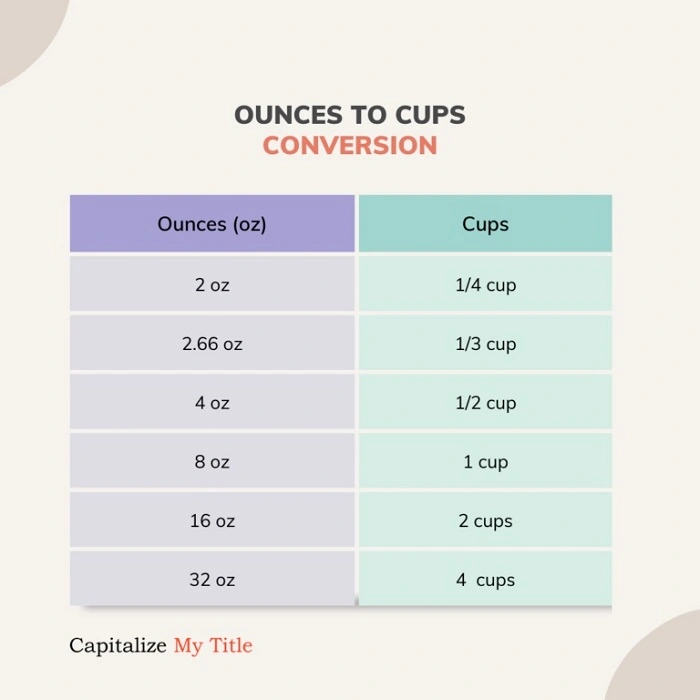
Ounces to Cups
- 1 cup = 8 ounces (oz) for both dry and liquid ingredients.
If you have 1 ounce, it’s one-eighth of a cup.
Ounces to Teaspoons
- 1 ounce = 6 teaspoons (tsp).
This is useful when you don’t have a tablespoon or when the recipe calls for smaller amounts.
Ounces to Milliliters
- 1 ounce = 29.5735 milliliters (ml).
For those using metric measurements, this is the equivalent of 1 ounce in liquid volume.
Practical Tips for Measuring Ingredients
Here are a few tips to ensure you’re measuring accurately in the kitchen:
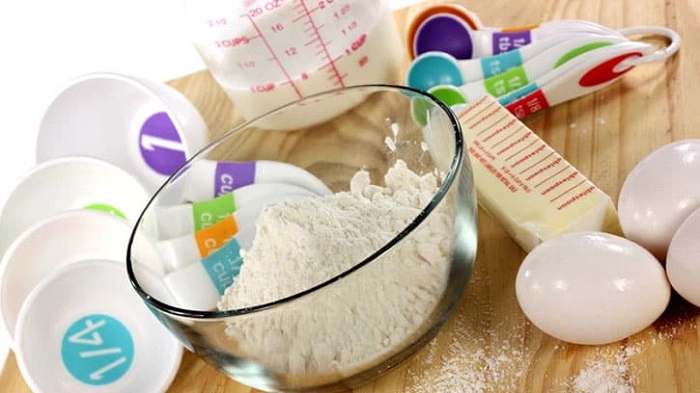
Use the Right Tools: Always use the proper measuring spoons or cups for liquid and dry ingredients. Liquid measuring cups typically have a spout for pouring, which is helpful when dealing with wet ingredients.
Spoon and Level Dry Ingredients: When measuring dry ingredients like flour, use a spoon to fill the measuring cup and level it off with a knife. This helps prevent packing the ingredient and ensures accurate measurements.
Check Recipe Specifics: Some recipes, particularly for baking, can be very sensitive to the amount of each ingredient. Always check the recipe to see whether it calls for ounces by weight or volume.
Consider Ingredient Density: As mentioned earlier, not all ingredients have the same density. For example, 1 ounce of flour weighs less than 1 ounce of honey, so their volume will differ when measured in tablespoons.
Common FAQs About Ounces and Tablespoons
How many tablespoons are in 1 ounce of water?
- 1 ounce of water = 2 tablespoons. This is a consistent conversion as water has a straightforward liquid density.
How many tablespoons are in 1 ounce of sugar?
- 1 ounce of sugar = 2 tablespoons. This conversion works for both granulated and powdered sugar, though be mindful of the type of sugar when measuring.
How many tablespoons in 1 ounce of butter?
- 1 ounce of butter = 2 tablespoons. This is true for both solid and melted butter, although butter measurements can sometimes be tricky due to its consistency.
Can I convert ounces of flour to tablespoons?
- Yes, but keep in mind that flour is not always a 1:1 ratio when it comes to volume and weight. Typically, 1 ounce of flour = 2 tablespoons, but if the flour is sifted, the volume can change.
Why does the conversion differ for dry and liquid ingredients?
- The conversion differs because liquid and dry ingredients have different densities. A dry ingredient like flour can be packed down into a tablespoon, while liquid ingredients are measured by volume.
Understanding how many tablespoons are in one ounce is crucial for accurate cooking and baking. Whether you are working with dry ingredients or liquids, knowing the conversion helps ensure your recipes turn out as expected. In most cases, 1 ounce equals 2 tablespoons, but it’s always important to consider the type of ingredient you’re working with, as density can affect the measurement. By following the tips and guidelines provided, you’ll be able to confidently handle measurements in the kitchen, making your cooking and baking experiences more enjoyable and accurate.