

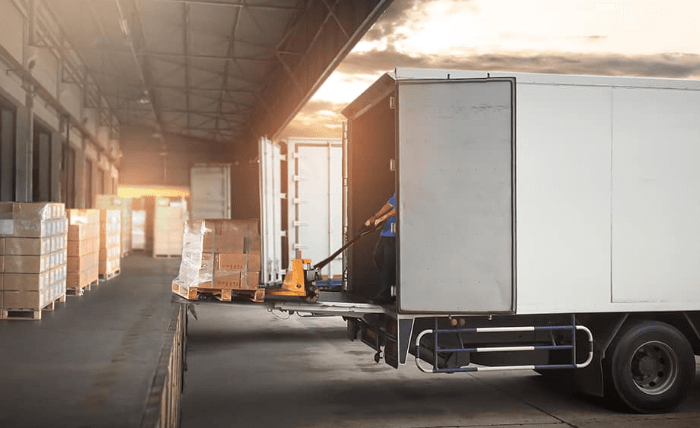
Today’s supply chains face growing pressure to deliver faster, smarter, and more reliably. Rising customer expectations, tighter delivery schedules, and complex multi-stop routes have made logistics more unpredictable—and more critical. Construction firms, manufacturers, and distributors alike are feeling the squeeze, especially at the handoff points between warehouse storage and active job sites.
This is where semi-trailers come into play. Far from being just a means of transportation, they’ve become a vital link in ensuring goods move safely, efficiently, and without delay. Rhinotrail, the leading semi-trailer manufacturer, collaborates with businesses to design trailers that bridge the gap between organized warehousing and often chaotic job sites.
Selecting the right semi trailer—one that’s well-suited to the load, route, and delivery conditions—can make a measurable difference. With the right equipment in place, companies not only expedite distribution but also gain flexibility and minimize costly delays throughout the supply chain.
The Role of Semi Trailers in Modern Supply Chains
Semi-trailers play a far more dynamic role in logistics than they did even a decade ago. One of their most significant advantages is versatility. From lumber and steel to packaged goods or oversized machinery, these trailers can be configured to handle a wide range of materials across industries.
Beyond handling different types of cargo, trailers are now seamlessly integrated into multimodal systems, linking road, rail, and even port-based logistics. This reduces friction between transport modes and makes transfers between suppliers, warehouses, and job sites more seamless.
Most importantly, semi-trailers help reduce handling times. Goods can be loaded once and delivered directly, without being shifted between vehicles. This reduces labor costs, minimizes product damage, and speeds up delivery. In today’s competitive supply chain environment, these efficiencies are more than just operational perks—they’re strategic advantages.
Customization: Tailoring Trailers to Specific Needs
Because no two shipments are the same, trailers shouldn’t be either. The demand for custom semi-trailers is growing as businesses seek to match equipment to their exact operational needs, not just for convenience, but for improved safety, precision, and throughput.
Custom configurations might include adjustable shelving for smaller loads, integrated climate control for perishables, or reinforced lift systems for transporting heavy machinery. These features enhance loading speed, minimize cargo damage, and ensure operations run smoothly from the warehouse to the job site.
Industries like construction, agriculture, and retail have seen clear benefits. A contractor might rely on a low-clearance trailer with built-in tool compartments, while a grocery distributor may depend on multi-zone refrigeration to maintain product integrity. Rhinotrail helps companies across sectors adapt these trailer designs to real-world challenges, ensuring equipment serves their needs, not the other way around.
Technological Advancements Enhancing Trailer Functionality
As supply chains become increasingly complex, semi-trailers are evolving into digital assets that support smarter logistics operations.
Telematics systems now deliver real-time data on trailer location, load status, and even door activity. Fleet managers can adjust routes on the fly, detect issues before they escalate, and monitor performance across every mile.
Some trailers feature automated loading or unloading systems, which reduce turnaround times and ease labor constraints, especially in high-volume operations. Innovations like solar panels, aerodynamic shapes, and lightweight materials are also reducing emissions and improving fuel efficiency.
Modern trailers don’t just move freight—they form part of the digital backbone that supports faster, cleaner, and more resilient supply chains. Companies that adopt these upgrades are experiencing improvements in both operational control and sustainability metrics.
Addressing Supply Chain Disruptions with Flexible Trailer Solutions
When disruptions occur—whether from weather, supplier delays, or global events—companies need tools that enable them to adapt quickly. Semi-trailers are proving to be one of the most flexible resources in that toolkit.
During warehouse overflows or job site delays, trailers can serve as mobile storage units. Parked on location, they keep materials protected and accessible, thereby reducing idle time and the need for extra handling.
During periods of seasonal demand or unexpected surges, additional trailers can be deployed as short-term overflow units or rapid-response carriers. This approach lets companies adjust capacity quickly without committing to new facilities or staffing.
Flexibility also supports more innovative cost management. At Rhinotrail, we have seen a growing number of clients utilize modular trailer configurations to scale their operations based on contract size, weather conditions, or geographic reach. That adaptability is now a must-have, not a nice-to-have.
Compliance and Safety Considerations
Even the most advanced trailer must meet industry regulations and operate safely across regions. For companies shipping across state or national lines, compliance is essential, not optional.
Standards typically cover axle configurations, brake systems, lighting, and load restraints. Selecting a trailer that’s built to meet or exceed these benchmarks avoids unnecessary delays and protects your team from costly citations.
Beyond legal requirements, safety features such as anti-lock braking, reflective markings, and secure load tie-downs safeguard your cargo and reduce the risk on the road. Just as necessary is operator training—knowing how to load correctly, conduct inspections, and spot wear before it leads to failure.
With reliable maintenance routines and up-to-date certifications, a well-built trailer supports safer, smoother logistics. Investing in safety upfront prevents bigger setbacks later on.
Conclusion: Strategic Investment in Semi Trailers for Supply Chain Success
The semi-trailer is more than just a piece of equipment—it’s a foundation of supply chain performance. From warehouses to job sites, it shapes delivery speed, protects materials, and improves workflow under pressure.
Whether you’re hauling equipment, raw goods, or finished products, selecting the right trailer pays off in terms of speed, flexibility, and long-term cost control. Tailored designs, tech integrations, and innovative load strategies are no longer luxuries—they’re requirements.
Companies like Rhinotrail are helping businesses rethink how their trailers support the entire supply chain, not just the highway miles in between. For today’s logistics leaders, the trailer isn’t an afterthought. It’s a strategic advantage.