

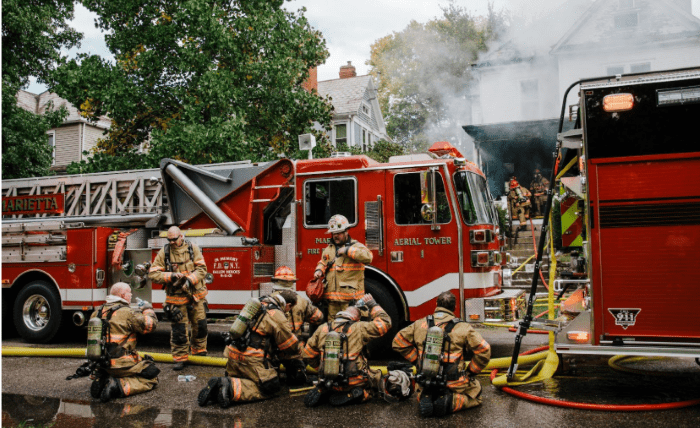
First responders—firefighters, police officers, paramedics, and emergency medical technicians—are trained to be the first ones on the scene of emergencies. However, because of this, they face traumatic experiences daily. The constant exposure to high-stress situations and critical incidents can take a significant toll on their mental health, leading to post-traumatic stress disorder (PTSD), anxiety, and depression. Fortunately, innovative therapies such as Accelerated Resolution Therapy (ART) and Eye Movement Desensitization and Reprocessing (EMDR) offer effective solutions for healing trauma and restoring emotional well-being.
Both ART and EMDR are evidence-based therapies designed to help individuals process traumatic experiences and reduce distressing symptoms. Although they share similarities, they have distinct approaches and mechanisms.
Accelerated Resolution Therapy (ART)
ART is a relatively new and fast-acting therapy that integrates elements of traditional psychotherapy with guided eye movements. Developed in the early 2000s, ART aims to reprogram how distressing memories are stored in the brain, helping individuals replace negative images with positive ones. This process, known as voluntary memory replacement, allows first responders to recall past traumatic events without experiencing overwhelming emotional responses.
Key Benefits of ART
- Rapid relief: many individuals experience significant improvement within 1-5 sessions, making it a time-efficient therapy for those with demanding schedules.
- Minimal verbal processing: first responders who struggle to discuss their trauma in detail can still benefit from the therapy, as it focuses on visual imagery and rapid reprocessing.
- Enhanced sense of control: by actively reshaping distressing memories, individuals gain a renewed sense of empowerment and emotional resilience.
During an ART session, the therapist guides the client through rapid eye movements while they visualize distressing events. The therapist then helps the client replace negative imagery with neutral or positive associations, reducing the emotional charge of the memory. This approach allows for healing without prolonged exposure to trauma, making it an appealing option for first responders.
Eye Movement Desensitization and Reprocessing (EMDR)
EMDR therapy is well-established and has been widely used for treating PTSD and trauma-related disorders. Developed in the 1980s, EMDR uses bilateral stimulation, such as guided eye movements, tapping, or auditory cues, to help the brain reprocess traumatic memories. This therapy allows individuals to desensitize distressing thoughts and emotions while integrating more adaptive beliefs.
Key Benefits of EMDR
EMDR is a structured approach that systematically addresses past trauma, current triggers, and future resilience, ensuring comprehensive healing.
- Reduction in emotional distress: EMDR helps diminish PTSD symptoms by allowing the brain to reprocess traumatic memories in a safe and controlled environment.
- No requirement for detailed verbal recounting: clients do not need to extensively discuss their traumatic experiences, making it less intimidating and emotionally taxing.
- Improved cognitive restructuring: as negative beliefs linked to trauma are replaced with positive ones, individuals experience a shift in self-perception and coping mechanisms.
The structured approach of EMDR begins with history-taking and preparation, followed by desensitization through bilateral stimulation. Over time, individuals experience decreased emotional responses to traumatic memories and gain new perspectives that foster healing.
Why ART & EMDR are Effective for First Responders
First responders often suppress emotions to remain effective in their roles; however, unresolved trauma can manifest itself as burnout, sleep disturbances, relationship strain, and even substance use. ART and EMDR provide a safe and efficient way to process these experiences without requiring extensive discussion, making them particularly appealing to individuals who prefer a structured and focused approach to healing.
The Unique Challenges First Responders Face
First responders operate in high-pressure environments where they regularly encounter life-threatening situations, violence, and human suffering.
The cumulative impact of these unique challenges and experiences can lead to chronic stress and anxiety that may interfere with decision-making and job performance. Also, first responders can struggle with emotional numbing, making it difficult to connect with loved ones and engage in daily life. Additionally, there is also the risk of compounded trauma, where multiple traumatic events build over time, intensifying symptoms of PTSD.
Traditional talk therapy can sometimes feel insufficient or slow-moving for first responders who need rapid and effective interventions. ART and EMDR offer targeted solutions that work within a shorter timeframe, addressing trauma at its neurological root without requiring prolonged verbal exploration.
How to Access ART & EMDR Therapy
For first responders seeking ART or EMDR, there are multiple pathways to access these therapies.
One option is connecting with licensed therapists who specialize in trauma-focused treatments and have experience working with first responders. These professionals understand the unique challenges faced by emergency personnel and can tailor therapy to their specific needs.
Additionally, many fire and police departments offer department wellness programs that include mental health services. These programs are designed to support first responders by providing access to counseling and evidence-based trauma therapies like ART and EMDR.
Lastly, community mental health resources offer alternative pathways to trauma therapy. Nonprofit organizations often provide low-cost or pro bono treatment for first responders, ensuring that financial barriers do not prevent them from receiving necessary care.

Final Thoughts
The mental well-being of first responders is crucial not only for their personal health but also for their ability to serve their communities effectively.
ART and EMDR offer transformative, evidence-based approaches to trauma healing, allowing these brave individuals to process their experiences and regain control over their emotional health. By integrating these therapies into first responder wellness programs, we can ensure that those who dedicate their lives to helping others receive the care and support they deserve.
If you or someone you know is struggling with the weight of trauma, seeking professional help through ART or EMDR can be a life-changing step toward healing and resilience.