


Tax fraud is a serious crime that involves intentionally falsifying information to reduce tax liabilities, misrepresenting financial data, or concealing income. Whether it’s underreporting earnings, inflating deductions, or using fake documents, tax fraud not only leads to hefty fines but also potential imprisonment. Understanding what tax fraud is and how it can be avoided is crucial for individuals and businesses alike. One of the most effective ways to steer clear of tax fraud is by working with a professional tax specialist.
What Is Tax Fraud?
Tax fraud occurs when someone intentionally deceives tax authorities in an effort to avoid paying the proper amount of taxes. This deceit can take various forms, and it is generally driven by the desire to reduce the tax burden unlawfully. It is important to distinguish tax fraud from simple tax mistakes or negligence. Fraud involves a deliberate intent to mislead, whereas errors made without intent to deceive can be rectified without severe legal repercussions.
Common forms of tax fraud include:
1. Underreporting Income
Underreporting income is one of the most common forms of tax fraud. This can happen when a taxpayer omits income from side jobs, freelance work, or cash transactions. For example, a small business owner might fail to report a portion of their sales to reduce their taxable income.
2. Inflating Deductions
Taxpayers might claim deductions they are not entitled to, such as personal expenses disguised as business expenses, exaggerated charitable contributions, or inflated medical costs. These actions artificially lower taxable income, resulting in a reduced tax bill.
3. Claiming False Exemptions or Credits
Some taxpayers may incorrectly claim exemptions or tax credits to which they are not entitled. This could involve claiming dependents that don’t exist or incorrectly using tax credits meant for specific types of taxpayers.
4. Hiding Assets
Taxpayers may attempt to hide assets in foreign bank accounts or offshore investments in order to evade paying taxes. The U.S. government, for example, has strict reporting requirements for foreign assets, and failure to comply with these laws can lead to severe penalties.
5. Falsifying Tax Documents
Falsifying documents, such as income statements or tax returns, is another form of tax fraud. This could involve altering official documents, creating fake W-2 forms, or submitting fraudulent records to reduce taxable income.
Consequences of Tax Fraud
The penalties for tax fraud can be severe and long-lasting. The IRS (Internal Revenue Service) and other tax authorities take fraud very seriously, and the consequences of being caught can include:
- Fines: Penalties for tax fraud can range from a few hundred dollars to thousands, depending on the severity of the fraud. For instance, fraudulent tax returns can lead to a 75% penalty on the unpaid tax due to fraud.
- Interest: Any unpaid taxes will accrue interest over time, increasing the total amount owed.
- Criminal Prosecution: Tax fraud is a criminal offense. If convicted, individuals may face imprisonment, with sentences varying from a few months to several years depending on the scope of the fraud.
- Damage to Reputation: A conviction for tax fraud can damage personal and business reputations permanently. It may impact future business dealings, loans, and other financial opportunities.
How a Tax Specialist Can Help You Avoid Tax Fraud
While tax fraud is a serious issue, it can often be avoided by working with a qualified tax specialist. A tax specialist is a professional who has expertise in tax laws, tax preparation, and tax strategy. They can guide individuals and businesses in managing their taxes ethically and legally. Here are some of the ways a tax specialist can help you avoid tax fraud:
1. Accurate Tax Filing
A tax specialist ensures that all of your financial records are accurately reported, including your income, deductions, and exemptions. They will help you properly file your tax returns, so you don’t inadvertently make mistakes that could be perceived as fraudulent. By ensuring compliance with tax laws, a tax specialist helps you avoid the risk of underreporting income or inflating deductions.
2. Understanding Deductions and Credits
Tax laws can be complex, and not all taxpayers fully understand which deductions and credits they are entitled to claim. A tax specialist has in-depth knowledge of tax codes and can help you identify legitimate deductions and credits, ensuring you do not claim anything that could be considered fraudulent.
3. Preventing Common Errors
Many instances of tax fraud result from simple mistakes, such as mathematical errors, entering incorrect information, or misreporting income. A tax specialist can help prevent these errors by reviewing your documents carefully and offering advice on proper reporting procedures.
4. Audit Protection
If the IRS or other tax authorities audit you, a tax specialist can offer invaluable assistance. They can guide you through the audit process, help you respond to queries, and ensure that your documents are in order. This significantly reduces the risk of penalties for mistakes or fraud during an audit.
5. Ongoing Tax Planning
Tax specialists do not just help with annual tax filings; they can also assist in long-term tax planning. This involves strategizing ways to minimize your tax liability legally and ensuring that your financial decisions align with tax regulations. With expert advice, you can avoid unintentional tax mistakes that could lead to fraud.
6. Dealing with Complex Situations
For individuals or businesses with complicated financial situations, such as owning foreign assets or dealing with multiple income streams, a tax specialist is essential. They can help navigate the complexities of tax law and ensure compliance with regulations regarding international income, offshore accounts, or complicated investments.
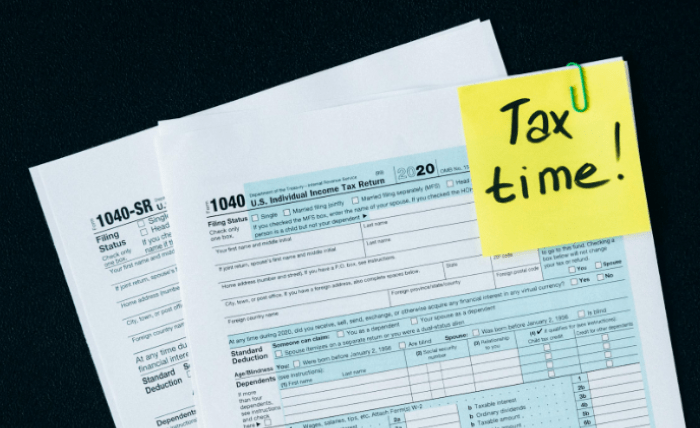
Work with a Professional Tax Expert to Avoid Tax Fraud & Other Tax Issues
Tax fraud is a serious offense that can lead to severe financial and legal consequences. However, by working with a qualified tax specialist, you can avoid the pitfalls of fraud, ensure your taxes are filed accurately, and take advantage of tax-saving strategies within the boundaries of the law. A tax specialist is a vital resource for anyone looking to maintain compliance and avoid costly mistakes in their tax filings. Whether you’re an individual taxpayer or a business owner, seeking expert tax help can provide peace of mind and safeguard you from potential fraud charges.