

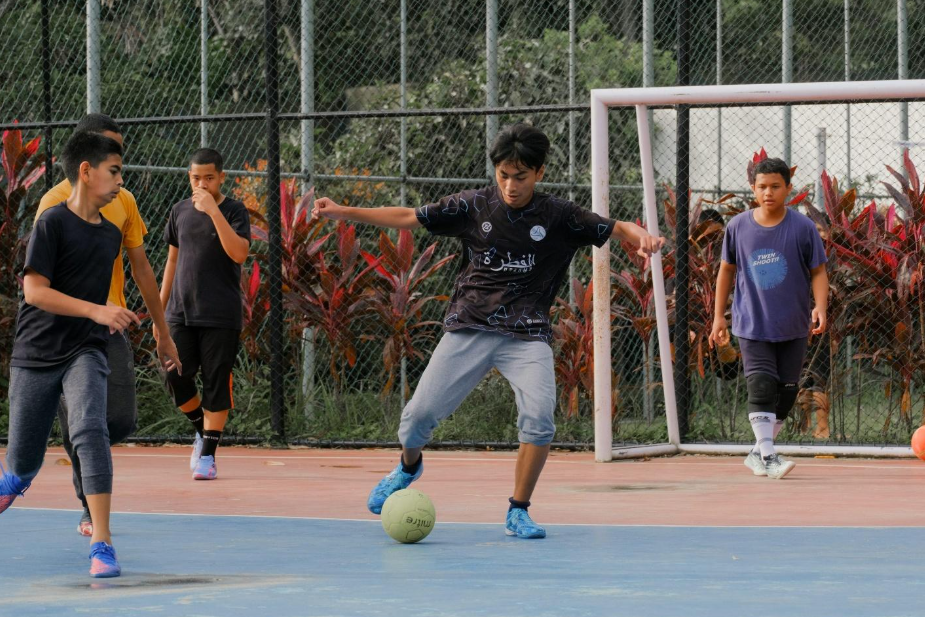
Futsal began as a simple alternative to football, played in tight spaces with fewer players. Over time, this fast-paced version of the game broke away from the streets and schoolyards to become a structured sport with international recognition. Its appeal lies in the thrill of quick passes, the need for rapid decision-making, and the joy of close-quarter creativity. As it gained fans, futsal didn’t just remain an underground passion—it transformed into a cultural force. Today, it’s not just a warm-up for football stars but a legitimate sport loved by millions around the globe.
The Humble Origins of Futsal
Futsal’s roots trace back to 1930s Uruguay, where locals needed a football-like game that could be played in smaller indoor areas. With limited open fields available, people turned to basketball courts and similar hard surfaces. The game adopted five-a-side rules, introduced a smaller, less bouncy ball, and evolved to encourage quick passing and close control. These adjustments created a more technical and fast-flowing game. Over time, communities in South America, especially Brazil and Argentina, embraced futsal not just as a stand-in for football but as a different beast altogether—sharper, faster, and full of improvisational flair.
From Street Corners to Sports Halls
As futsal spread across South America, it gradually shifted from street corners to indoor gyms and sports halls. Coaches began to see the value it brought to player development. Youth programs in Brazil and Spain adopted it as a foundational training tool. The game nurtures core skills—tight control, spatial awareness, and quick reflexes. These skills translate well to both futsal and outdoor football, making it a dual-purpose tool. As indoor futsal games grew in popularity, schools and clubs started organizing more structured competitions. This formalization brought in sponsorships, media attention, and recognition from national football associations.
Why Futsal Grew Beyond Just a Football Substitute
Futsal no longer lives in the shadow of traditional football. It carved its own identity by offering something uniquely intense. With fewer players and a smaller pitch, every player stays involved. There’s no hiding on the court—everyone defends, attacks, and plays with urgency. The pace keeps spectators on edge, while the short halves keep games tight and energetic. Because of this constant action, fans often compare it to basketball or hockey in terms of tempo. It delivers the excitement people crave, especially younger audiences who prefer bite-sized bursts of entertainment over long-drawn formats.
Futsal’s Influence on Football Legends
Many of the world’s greatest football players began their journeys with futsal. Legends like Ronaldinho, Lionel Messi, and Cristiano Ronaldo credit their early futsal experiences for shaping their style. The confined space taught them to think fast, execute quicker, and develop sharper footwork. That’s why youth academies across Europe, South America, and Asia now include futsal as part of their training. It’s more than just a developmental tool—it’s the root of many modern football techniques. The influence of futsal on top-tier footballers highlights its global importance, especially as more clubs integrate it into their coaching philosophy.
The Global Expansion: Europe, Asia, and Beyond
Once a South American favorite, futsal has now become a truly global sport. Europe embraced it with open arms, with countries like Spain, Portugal, and Russia developing competitive national leagues. Asian nations soon followed. Japan, Iran, and Thailand have seen massive growth in both players and fans. Clubs, federations, and governments invested in courts and programs. International tournaments gained more exposure, and online platforms started streaming games worldwide. The FIFA Futsal World Cup added legitimacy, drawing attention from sponsors and media outlets alike. What was once hyperlocal now thrives on global screens, in stadiums, and community centers across continents.
Youth Development and Grassroots Growth
Futsal’s global growth didn’t just come from the top down—it flourished at the grassroots level. Schools, community centers, and youth academies all played a role in pushing the game forward. Its accessibility makes it perfect for young players. With fewer players and a smaller playing area, kids get more touches on the ball and develop confidence quickly. Coaches love using futsal to teach decision-making under pressure. Organizations across the world have recognized this, leading to structured youth leagues and tournaments. These local programs give young athletes a platform to grow, dream, and possibly reach professional levels through futsal or football.
Futsal and the Rise of National Leagues
The formation of national futsal leagues added a new layer of professionalism to the sport. Countries across Europe, South America, and Asia established domestic leagues with regular seasons, clubs, and fan bases. These leagues provided structure, visibility, and financial backing that helped raise the sport’s profile. Teams started investing in training, facilities, and coaching staff. In countries like Spain and Brazil, clubs like FC Barcelona and Corinthians built strong futsal squads. The existence of these leagues allowed players to focus on futsal full-time, raising the quality of play. Now, futsal stars enjoy their own spotlight, with fans cheering just as loudly as they do for football icons.
The Digital Boost: Social Media and Streaming
Technology accelerated futsal’s global climb. Social media brought the sport to smartphones, tablets, and computer screens. Platforms like YouTube, Instagram, and TikTok made it easy to share mind-blowing highlights, clever footwork, and insane goals with the world. These clips often go viral, pulling in new fans who had never even heard of futsal before. Live-streaming services stepped in, broadcasting national league matches and international tournaments to global audiences. This digital exposure helped futsal reach remote corners of the world where traditional TV coverage didn’t reach. With just a Wi-Fi connection, anyone can now watch top-tier indoor matches anytime, anywhere.
From its origins on the streets of South America to shining under arena lights worldwide, futsal’s journey is nothing short of remarkable. It started as a compact version of football and evolved into its own fast, skill-heavy sport. With structured leagues, youth programs, and a thriving online presence, futsal shows no signs of slowing down. It gives young players the tools to grow, connects communities, and captivates fans with its nonstop action. Whether played for fun or glory, futsal continues to earn its place on the world stage—one quick pass, one sharp turn, and one unforgettable goal at a time.