

Vegetables are a crucial part of a balanced diet, offering essential nutrients and diverse flavors. If you’re looking for vegetables that start with the letter B, you’ll find a wide variety, from leafy greens to root vegetables. This guide explores different vegetables that start with B, along with their health benefits and culinary uses.
Broccoli
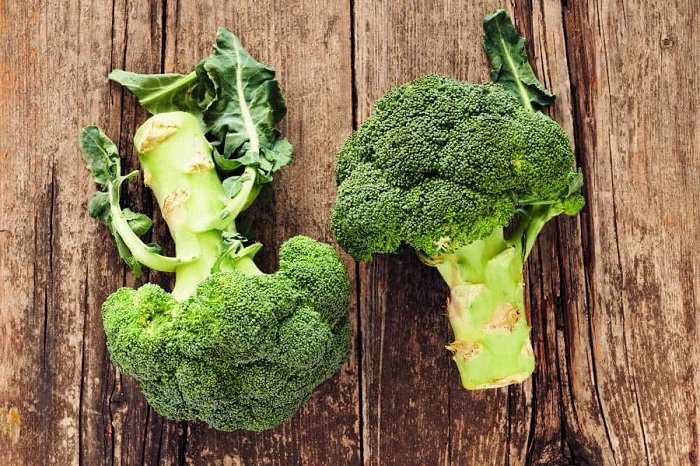
Broccoli is one of the most well-known vegetables that start with B. This green vegetable belongs to the cruciferous family and is packed with vitamins C and K, fiber, and antioxidants.
Health Benefits of Broccoli
- Supports immune function due to its high vitamin C content.
- Aids digestion and promotes gut health with dietary fiber.
- Contains compounds like sulforaphane, which may reduce the risk of chronic diseases.
Culinary Uses
- Steamed or roasted as a side dish.
- Added to stir-fries, soups, and pasta.
- Blended into smoothies for a nutrient boost.
Brussels Sprouts
Brussels sprouts resemble tiny cabbages and are rich in vitamins, fiber, and antioxidants. They are a great addition to any healthy diet.
Health Benefits of Brussels Sprouts
- High in vitamin K, which supports bone health.
- Rich in antioxidants that help combat oxidative stress.
- Supports digestion with fiber and prebiotics.
Culinary Uses
- Roasted with olive oil and seasonings.
- Stir-fried or sautéed with garlic and bacon.
- Used in salads for a crunchy texture.
Beets
Beets are root vegetables known for their vibrant red color and earthy taste. They are nutrient-dense and have been used for their medicinal properties for centuries.
Health Benefits of Beets
- Rich in nitrates that support heart health and improve blood circulation.
- Contains betalains, which have anti-inflammatory properties.
- A good source of folate, essential for cell growth and DNA formation.
Culinary Uses
- Roasted or boiled as a side dish.
- Used in smoothies for natural sweetness.
- Pickled for a tangy flavor addition to salads.
Bell Peppers
Bell peppers come in a variety of colors, including red, green, yellow, and orange. They are loaded with vitamin C, antioxidants, and fiber.
Health Benefits of Bell Peppers
- Boosts immune function with a high vitamin C content.
- Supports eye health with carotenoids like lutein and zeaxanthin.
- Promotes skin health due to its antioxidant properties.
Culinary Uses
- Eaten raw in salads and sandwiches.
- Stir-fried with other vegetables and proteins.
- Roasted and blended into soups or sauces.
Bok Choy
Bok choy, also known as Chinese cabbage, is a leafy green vegetable commonly used in Asian cuisine. It is a good source of vitamins A, C, and K.
Health Benefits of Bok Choy
- Supports bone health with its high calcium content.
- Helps maintain good vision due to vitamin A.
- Strengthens the immune system with antioxidants.
Culinary Uses
- Stir-fried with garlic and soy sauce.
- Used in soups and noodle dishes.
- Added to salads for a crunchy texture.
Butter Lettuce
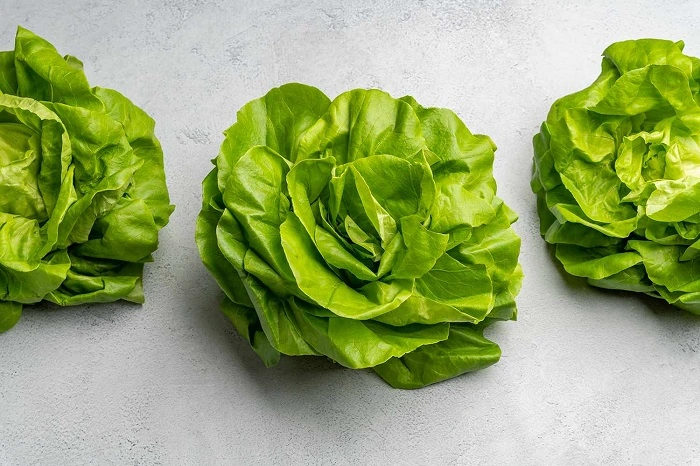
Butter lettuce is a soft, tender variety of lettuce with a mild flavor. It is an excellent choice for salads and sandwiches.
Health Benefits of Butter Lettuce
- Low in calories, making it ideal for weight management.
- Rich in water content, which keeps the body hydrated.
- Provides small amounts of folate and iron.
Culinary Uses
- Used in fresh salads.
- Wrapped around grilled meat or vegetables.
- Added to sandwiches and burgers.
Black Radish
Black radish is a unique variety of radish with a dark skin and pungent taste. It is often used in traditional medicine for its digestive benefits.
Health Benefits of Black Radish
- Aids digestion and liver function.
- Contains antibacterial properties that support immune health.
- High in fiber, promoting gut health.
Culinary Uses
- Grated into salads for a spicy kick.
- Sautéed or roasted as a side dish.
- Used in detox juices and soups.
Burdock Root
Burdock root is a medicinal vegetable known for its detoxifying properties. It is commonly used in herbal remedies and Asian cuisine.
Health Benefits of Burdock Root
- Supports liver function and detoxification.
- Helps improve skin conditions like acne.
- Rich in antioxidants that protect against free radical damage.
Culinary Uses
- Used in soups and stews.
- Pickled and eaten as a snack.
- Brewed into herbal tea.
Broad Beans (Fava Beans)
Broad beans, also known as fava beans, are a nutrient-dense legume with a slightly sweet flavor.
Health Benefits of Broad Beans
- High in plant-based protein, making them great for vegetarians.
- Supports heart health with fiber and folate.
- Provides iron, which is essential for red blood cell production.
Culinary Uses
- Boiled and eaten as a snack.
- Mashed into spreads like fava bean dip.
- Added to soups and casseroles.
Broccolini
Broccolini is a hybrid vegetable that combines the characteristics of broccoli and Chinese kale. It has a sweeter taste than regular broccoli.
Health Benefits of Broccolini
- Contains vitamin C, which strengthens the immune system.
- Supports bone health with calcium and vitamin K.
- Rich in dietary fiber, aiding digestion.
Culinary Uses
- Grilled or roasted as a side dish.
- Added to pasta and stir-fries.
- Used in salads for a nutritious boost.
FAQs
Which vegetables that start with B are the healthiest?
Broccoli, Brussels sprouts, and beets are among the healthiest due to their high vitamin and antioxidant content.
Can you eat black radish raw?
Yes, black radish can be eaten raw, but it has a strong, spicy taste. It is often grated into salads.
What are some easy ways to cook bok choy?
Bok choy can be stir-fried, added to soups, or steamed with garlic and soy sauce for a simple and flavorful dish.
Are bell peppers good for weight loss?
Yes, bell peppers are low in calories and high in fiber, making them a great addition to a weight-loss diet.
How do you store beets to keep them fresh?
Store fresh beets in the refrigerator, wrapped in a paper towel and placed in a perforated plastic bag to maintain freshness.